This week’s term: Hyperbole (hīˈpərbəlē) – An obvious and intentional exaggeration, used not to deceive, but for effect; not meant to be taken literally, but to give an illustration to the extremity. 

Last week’s term: Homiletics – The branch of theology dealing with the proper writing and preaching of sermons. The value of homiletical study is to enhance the organization and systematization of subjects, making them more easily understandable and memorable.

One sight we couldn’t miss in D.C. was the Washington Monument. Mostly because you can see it from almost any vantage point at the nation’s capitol. After we had seen as many of the Smithsonian Museums as we could squeeze in, we reserved a day for touring monuments. The remaining posts from D.C. are all from one day. We walked seven miles on that day.

The first stop was the Washington Monument. You can get tickets to go to the very top and behold the glorious city from above, but it was closed due to the elevator being repaired. It will re-open in 2019, which was a huge disappointment to Leslie, who had read about it and wanted to see the inside. She had read that each of the fifty states donated an inscribed brick. It’s something you can only see by going inside though. I guess we’ll just have to go back sometime! 😉

We did get some great photos of the outside as we walked around it to get to the Lincoln Memorial.

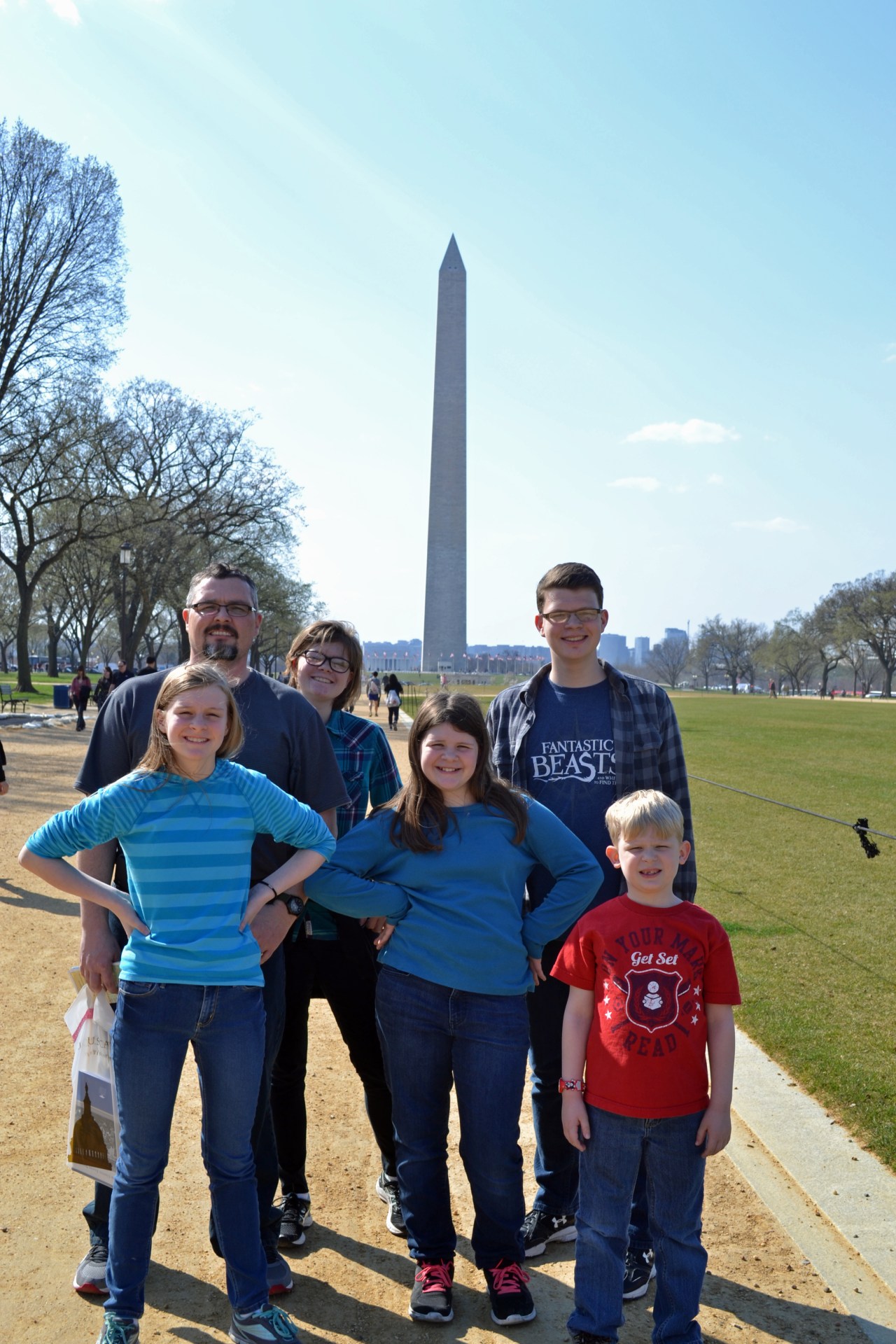
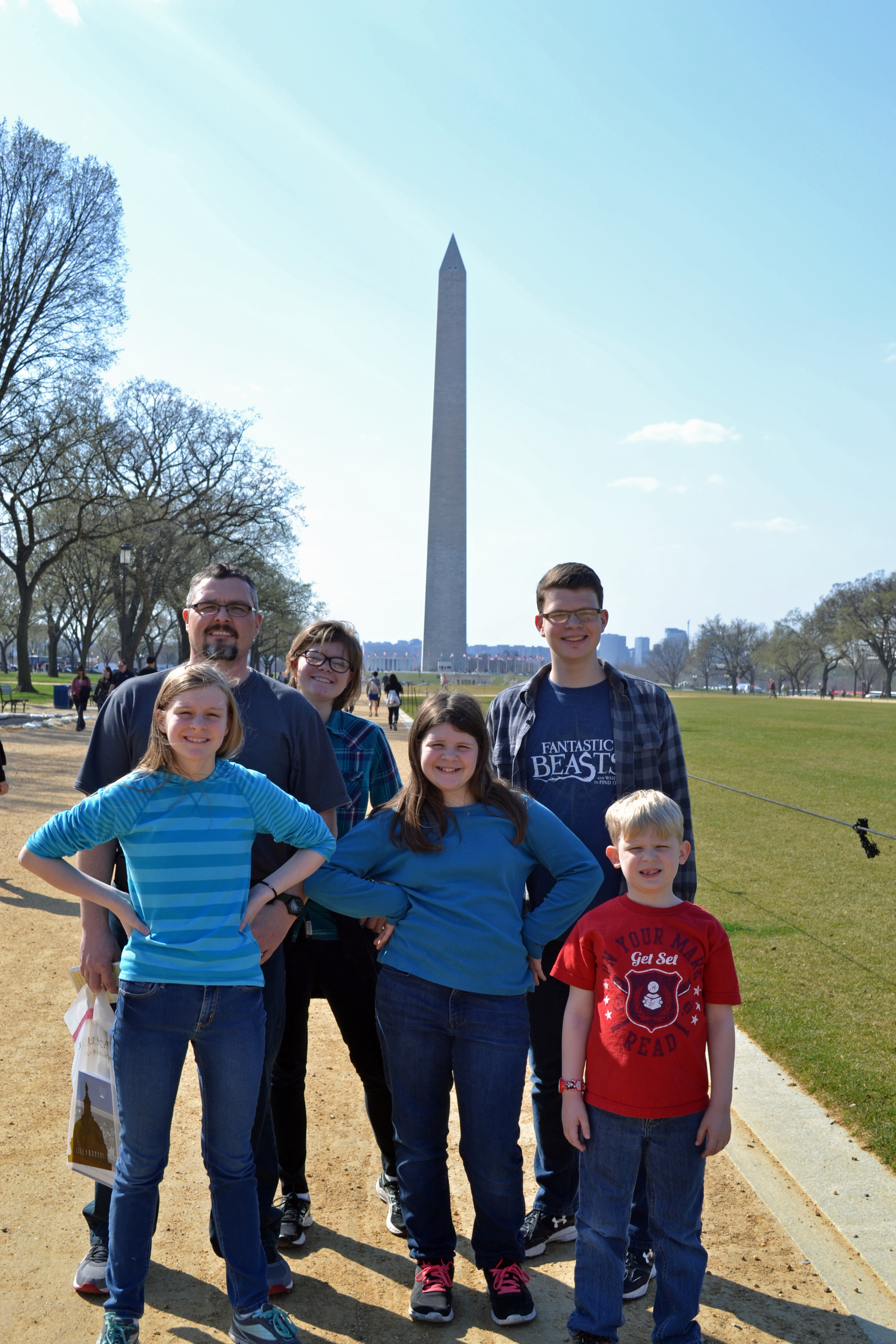
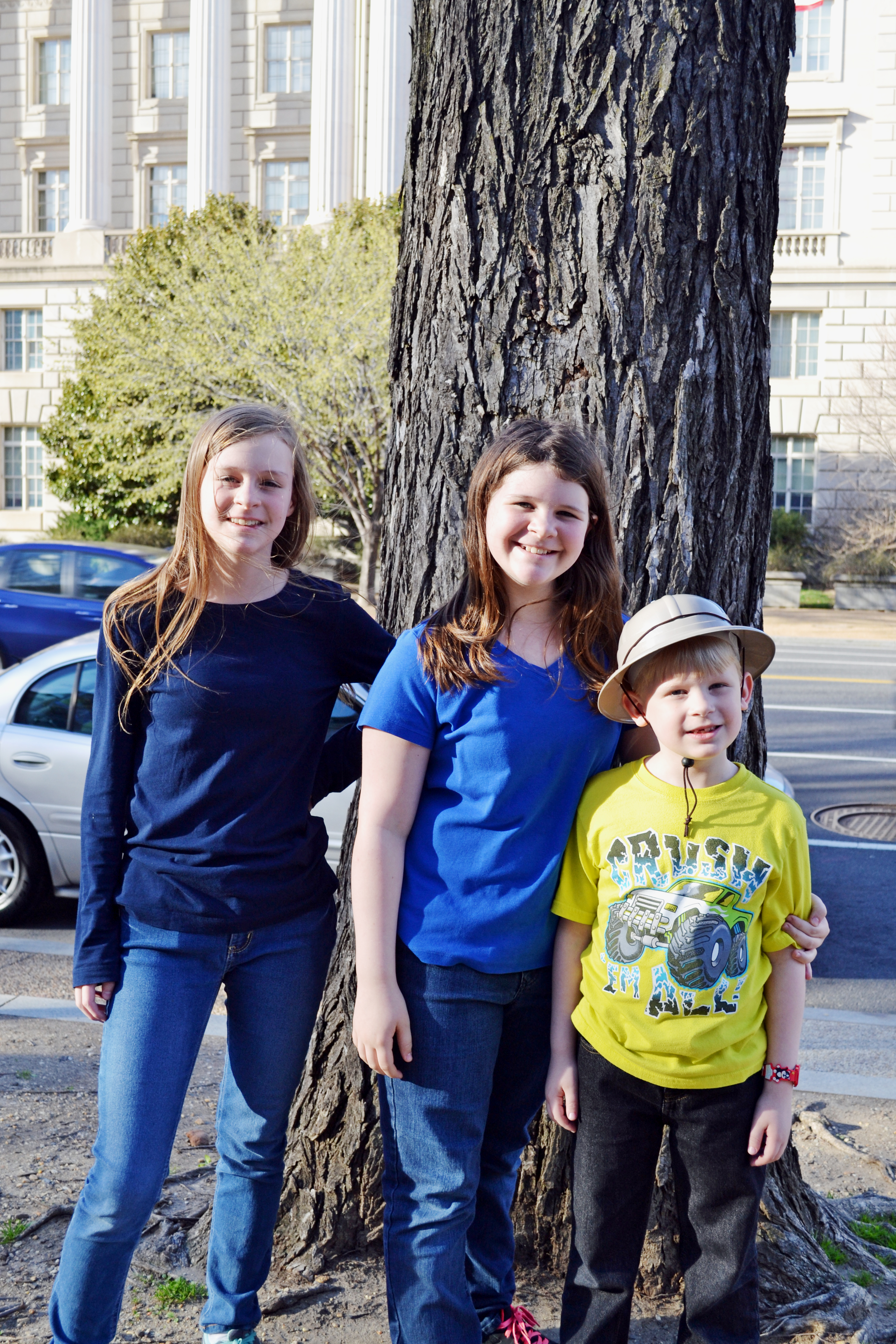
Here are the two family group shots.

We walked from the Capitol (after seeing the House and Senate chambers) to the Washington Monument. Here is a view of the Capitol from the Washington Monument.

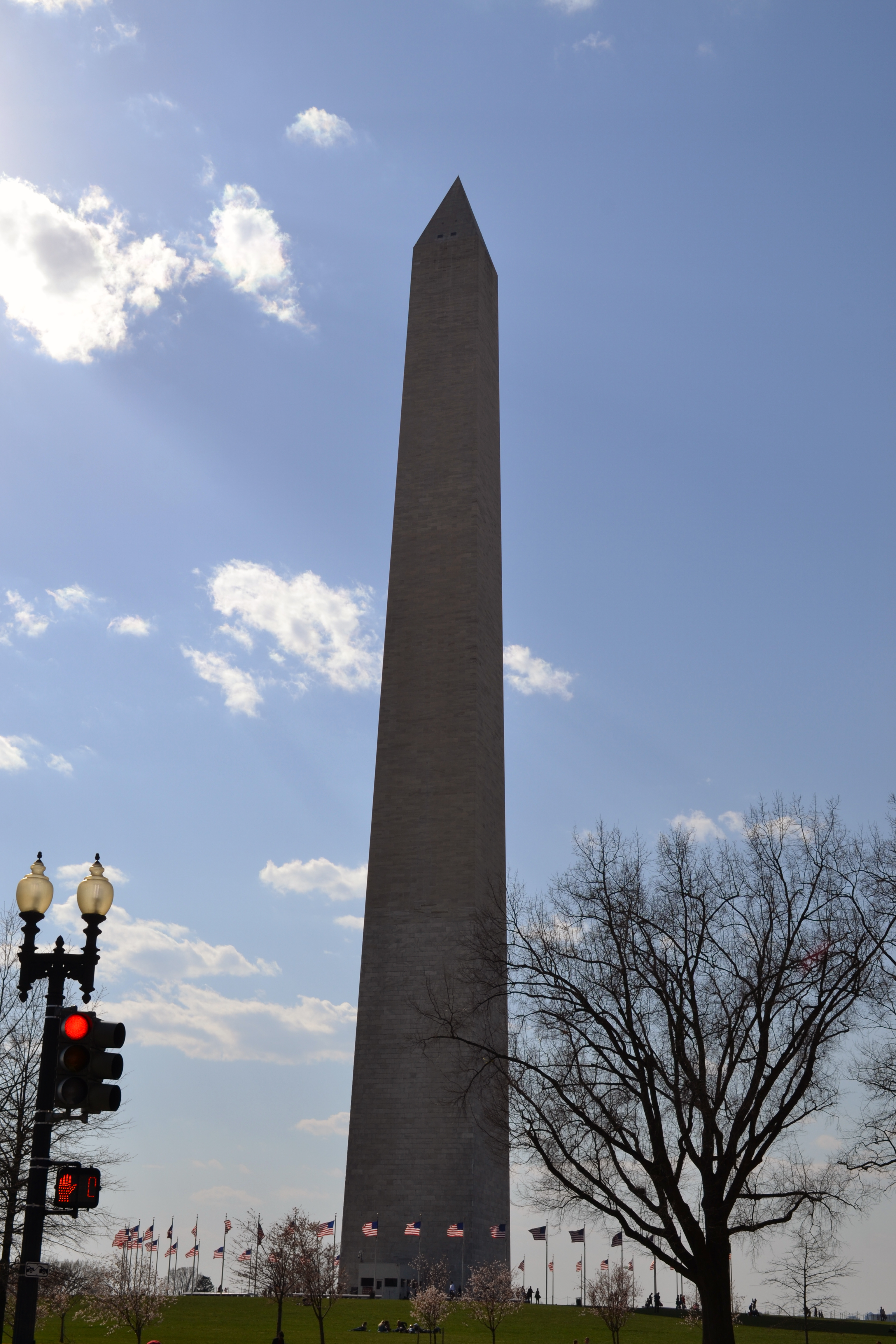
I didn’t notice this until I was editing these photos, but there is a difference in the appearance of the monument depending on which side the sun is shining. This photo is the side that was in the shadow.

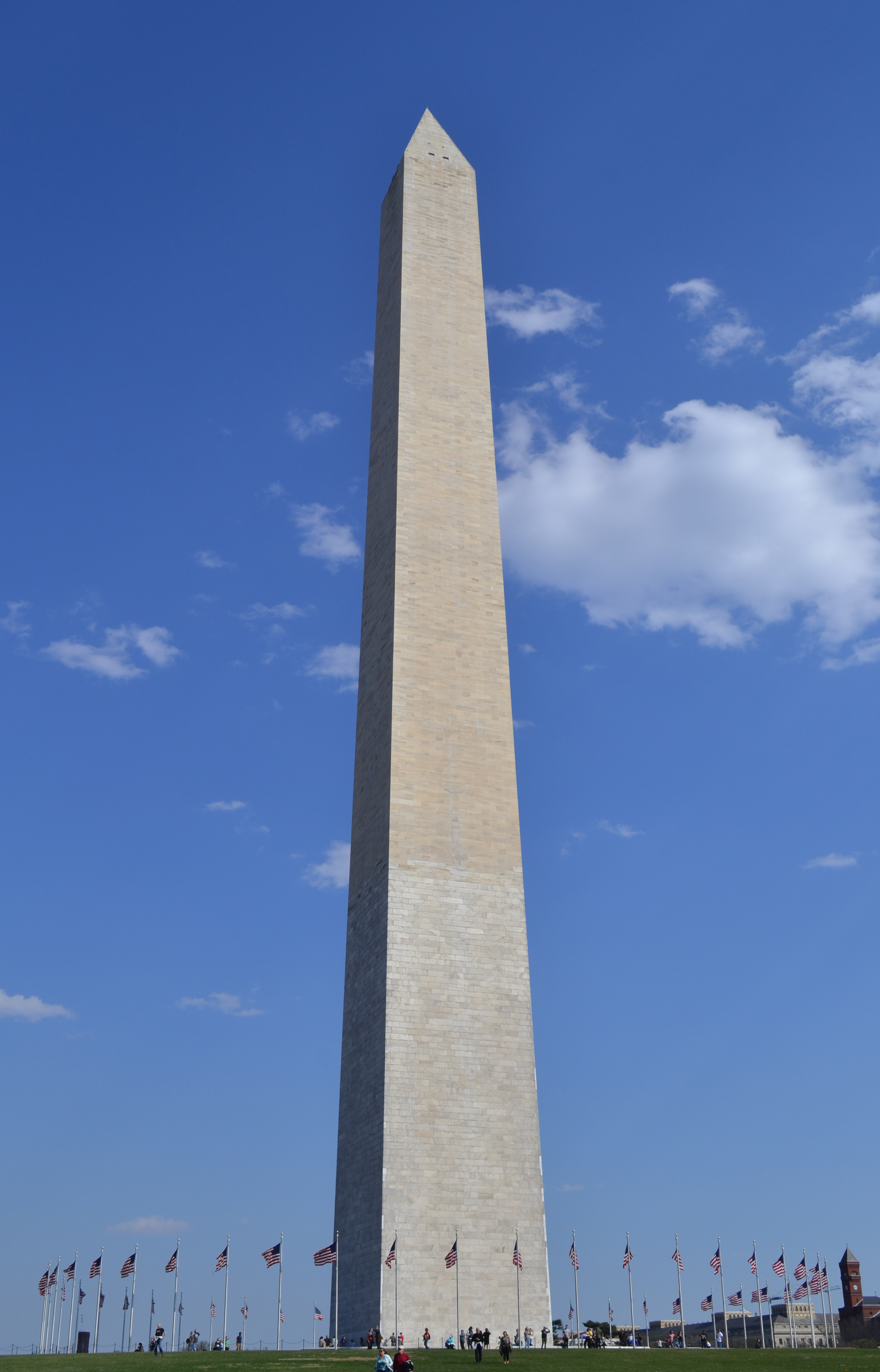
 And here is the sunny side! 🙂 Which do you like better?

I was surprised to read that the monument is 554 feet tall and is the world’s tallest obelisk, built in honor of George Washington. The work began in 1848 but was halted from 1854 to 1877 due to various reasons, one being the Civil War. You can see a difference in the shading of the marble which shows where the work stopped and then started again using a different type of marble. The finishing touches were complete in 1888 It was exciting to get even this close to it, and I loved how Old Glory encircles it.

We saw the monument multiple times as we traversed the roads of D.C., and I snapped photos of it many times, too. I took this one from the second floor of the Smithsonian Museum of Natural History.

The Washington Monument is kinda like the “Old Faithful” of D.C., it seemed to be everywhere! And it made me smile every time I saw it.


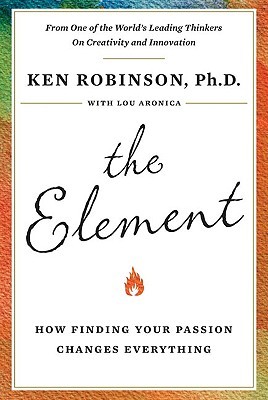
The Element: How Finding Your Passion Changes Everything by Ken Robinson first found its way in my life via a TED talk which I shared earlier this year. 

Have you, like I have done, assumed that artistic and creative people grow up surrounded by the art or music they love, thereby naturally developing their rare talents? After reading The Element, you will learn that is simply not the case. Elvis Presley, Paul McCartney, and Gillian Lynne (choreographer for the Broadway play Cats, and many others) were not encouraged in their youth to pursue music and dance. On the contrary, most were told that they were not very intelligent. Mick Fleetwood is another such example. These individuals stumbled into their passions quite accidentally, and fortunately for us, they did. The world without art, dance, plays, and music is a sad world indeed. Mr. Robinson shares how they discovered their passions and how you can help your own children (or yourself!) develop theirs.

Not a creative genius? That’s okay. Your passion might be more in line with that of Dr. Paul Samuelson, an economist who describes his life as “pure fun”. Or math might be your love or maybe science! The point is, we all have a passion: an activity that so captivates your thoughts that time seems to stand still, you feel more alive than at any other time, and you are rejuvenated by that activity. That is when you’ve found your passion. It’s something that you love. Even if you’re not particularly skilled at your passion, your willingness to spend your life working at it proves that you are in your “Element”.

Mr. Robinson points out the weaknesses of the school system. The main one being that they put every child in a box. The arts are being eliminated from many schools due to funding cuts, and even when they are included, they are not a high priority. He points out (p. 81) that the power of human creativity is everywhere. “[Creativity] affects not only what we put in the world, but also what we make of it – not only what we do, but also how we think and feel about it.” Creativity is not something the school system should banish. He later shows that public schools’ endless tests and standards not only kill the students’ creativity, but good teachers find their own creativity suppressed as well. (p. 236)

What about standardized testing or personality tests? I’m sure you have heard of the Myers-Briggs test. Did you know that neither Mrs. Briggs nor her daughter, Ms. Myers, had any qualifications in the field of psychometric testing when they designed the test? Also, no one ever fits neatly into one of the categories. If you take the test over and over, you could get a different result each time! (p.98) But many companies use these tests to determine where to best put an employee, again, a way of putting people in boxes. Why not just get to know the person? I suppose that takes too much time, but it’s a much better way to gauge a person’s abilities, interests, and personality. Rather than test yourself on the Myers-Briggs scale to find your strengths, Mr. Robinson suggests to ask yourself this question: “If left to my own devices – if I didn’t have to worry about making a living or what others thought of me – what am I most drawn to doing?”(p. 102)

Mr. Robinson offers encouragement and advice on finding your passion, your Element. It’s never too late to find it, so don’t give up. Be willing to try new things, meet new people, and stretch yourself. The author sums it up thusly: “Finding your Element doesn’t promise to make you more famous, more popular, or even a bigger hit with your family. For everyone, being in their Element, even for part of the time, can bring new richness and balance to their lives.” (p.223)

This book is not written from a Christian worldview, but nevertheless, it was easy to see the hand of God in this book. As a Christian, I know that our talents and abilities come from God. I know that He directs our steps and guides us into that which we should do. I’m not sure if you can tell what my passion is, but I know, and I pray God will help me to use it for His honor and glory.

Mr. Robinson is a witty and engaging author. If you are interested in education or in finding your Element, then this book may help.

This week’s term: Homiletics – The branch of theology dealing with the proper writing and preaching of sermons. The value of homiletical study is to enhance the organization and systematization of subjects, making them more easily understandable and memorable. 

Last week’s term:  Hermeneutics – The science of interpretation. In theology, it is the principles or laws of the science of interpretation of the Bible, especially the study of the principles of Biblical exegesis.

After we toured the Smithsonian Museum of American History, Terry, Mitchell, Leslie, Laci, Matthew and I went to see the Smithsonian Museum of Natural History while Lauren headed back to see the Smithsonian Air and Space Museum for the second time. When I came to D.C. in 1996, I wasn’t able to see the Museum of Natural History, so I was looking forward to this adventure. Matthew, who loves all things dinosaurs and mummies, couldn’t wait, either. This trip was the hardest on him because he is so young and small. The walking and touring got old quickly for him, but he managed to hang in there and enjoy it the best he could. I was happy that this museum held things that interested him. Here are some of the highlights of this fabulous museum:

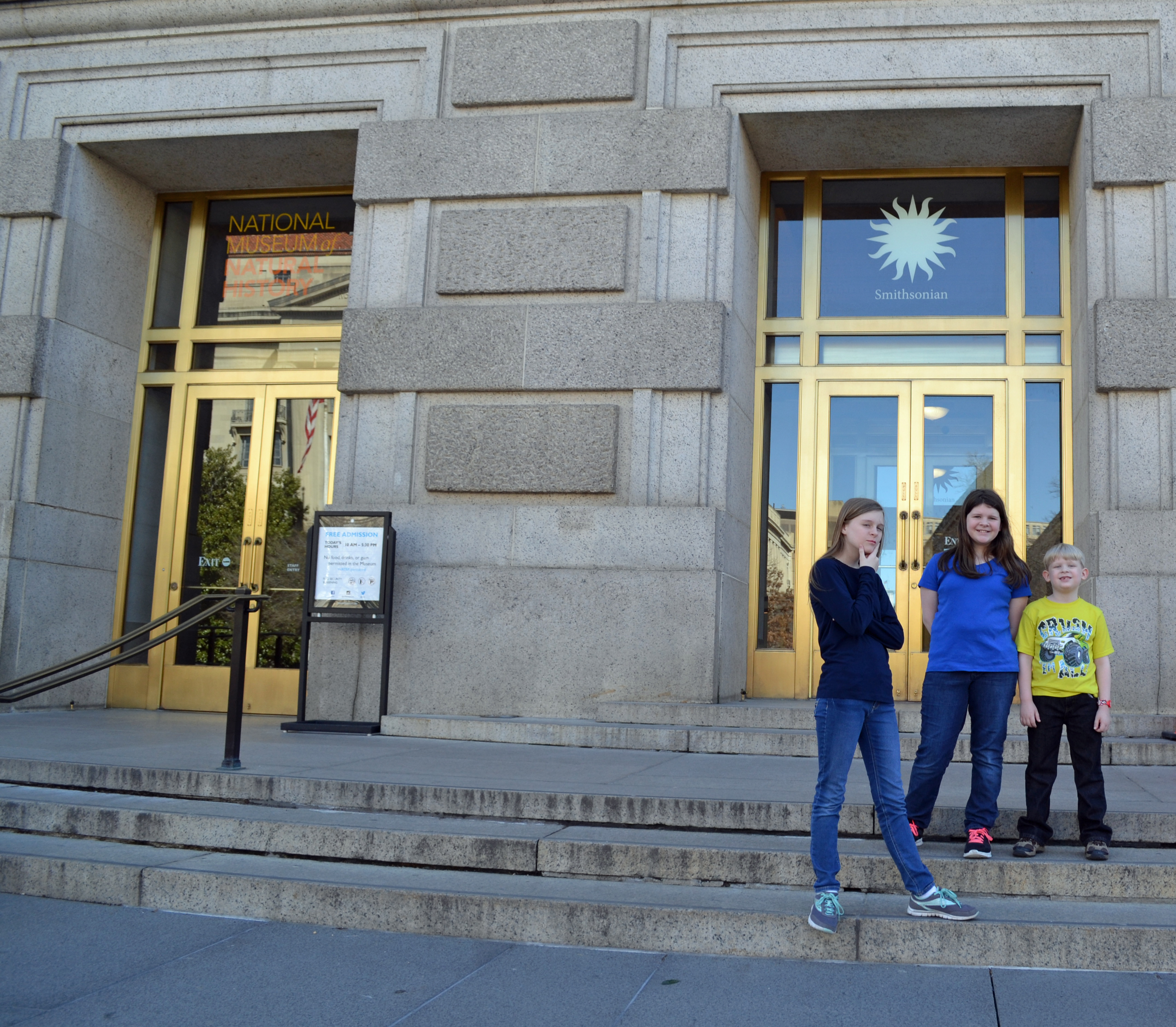
Three kids strike a pose at the entrance to the museum.
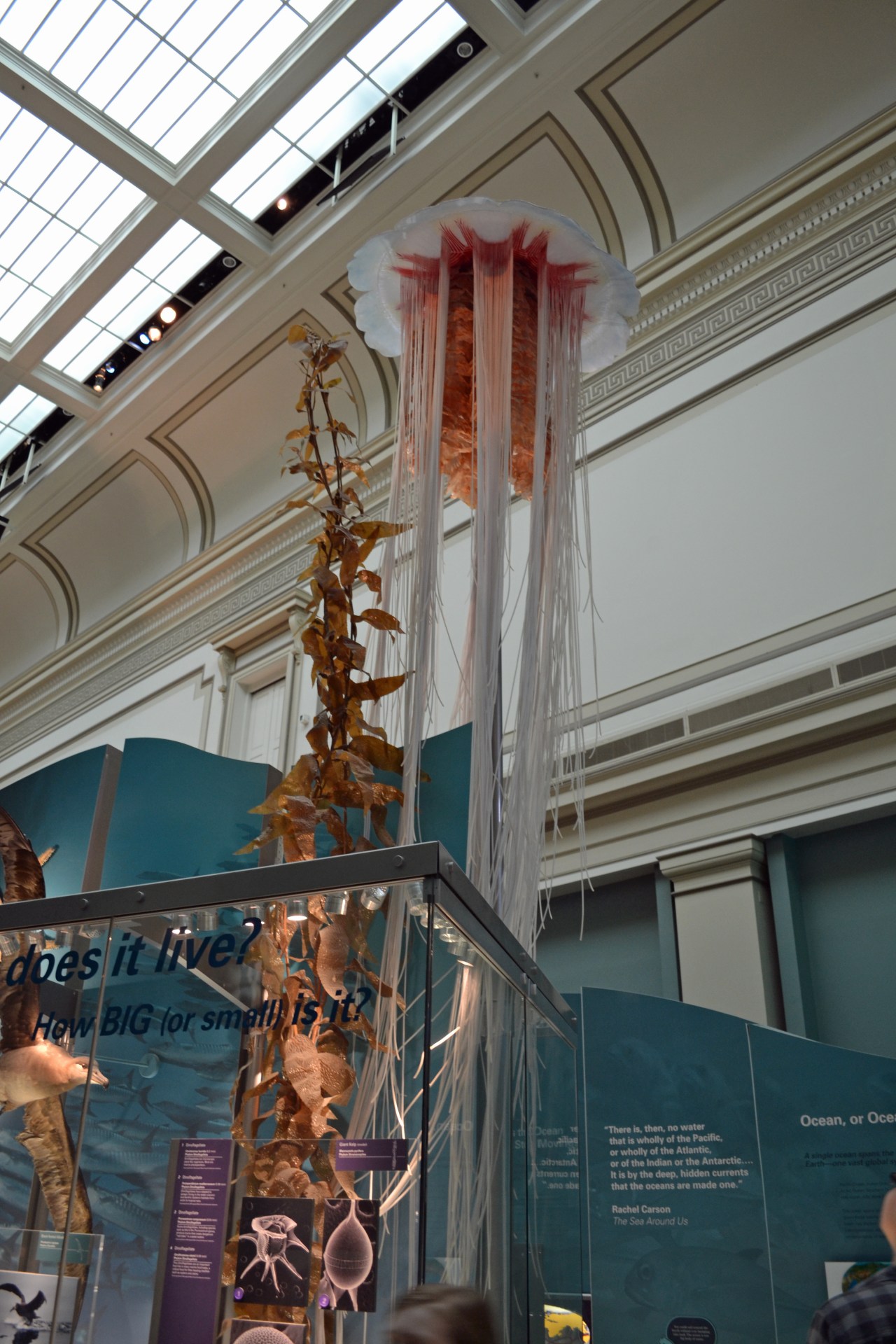
A life-size replica of a jellyfish! Yikes!
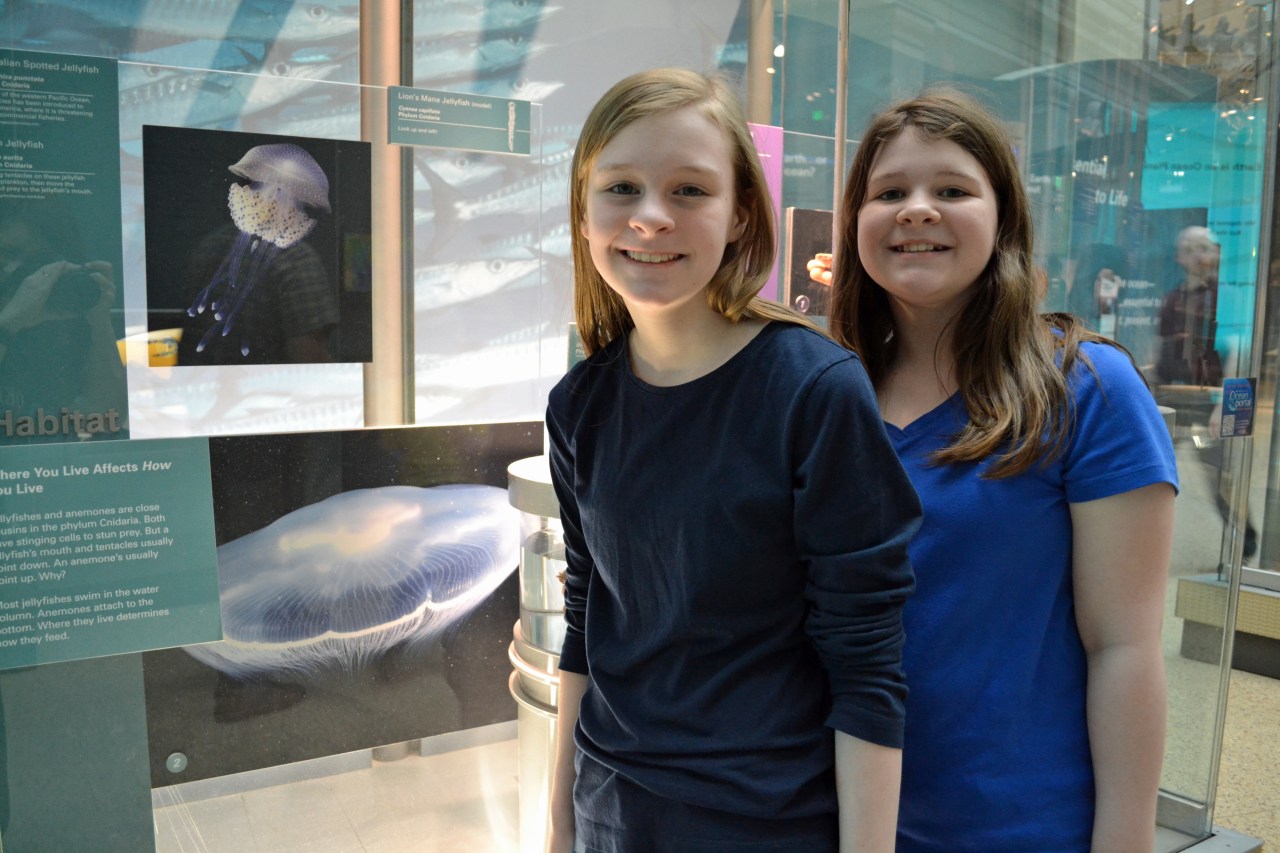
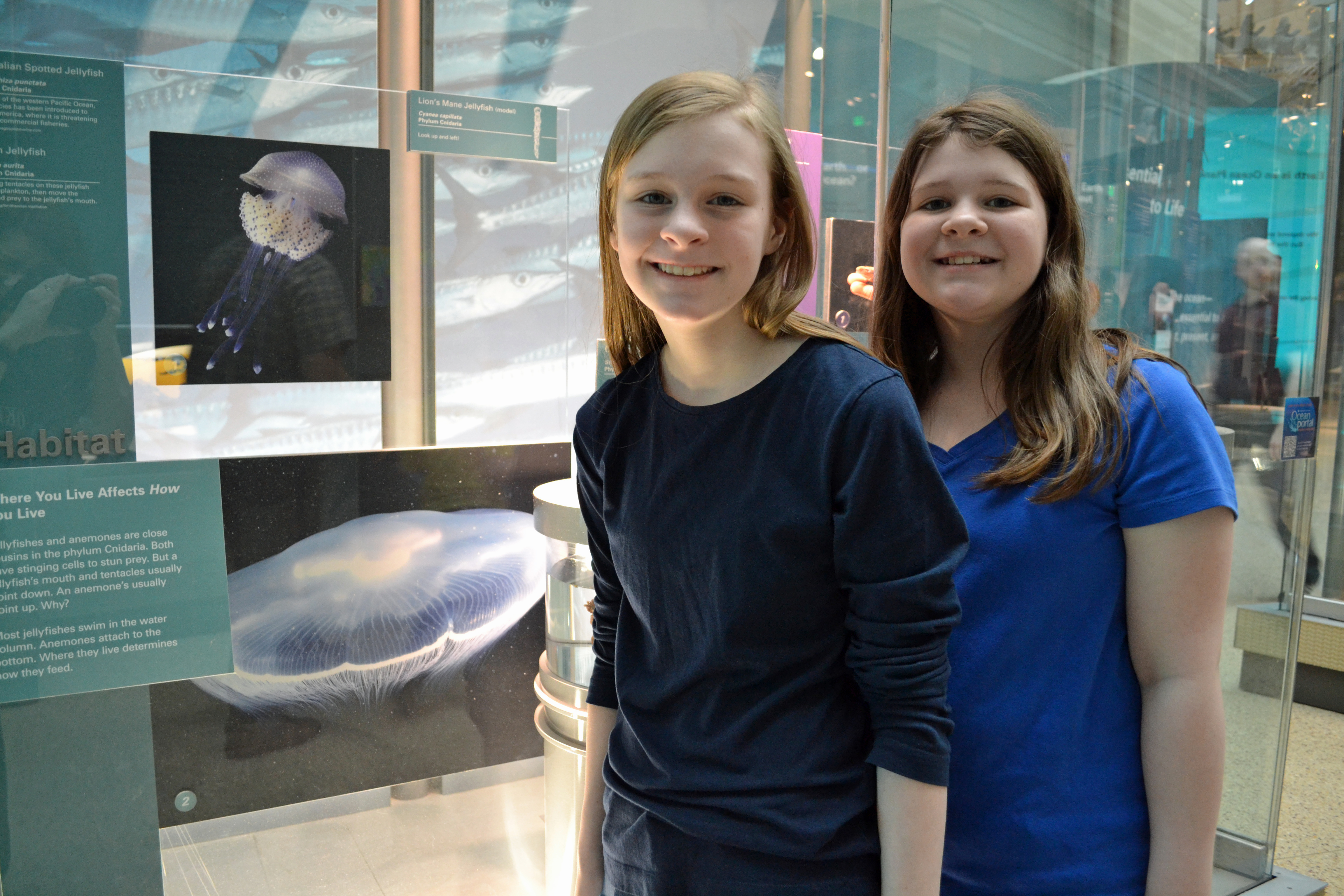
Sisters in front of the jellyfish display.
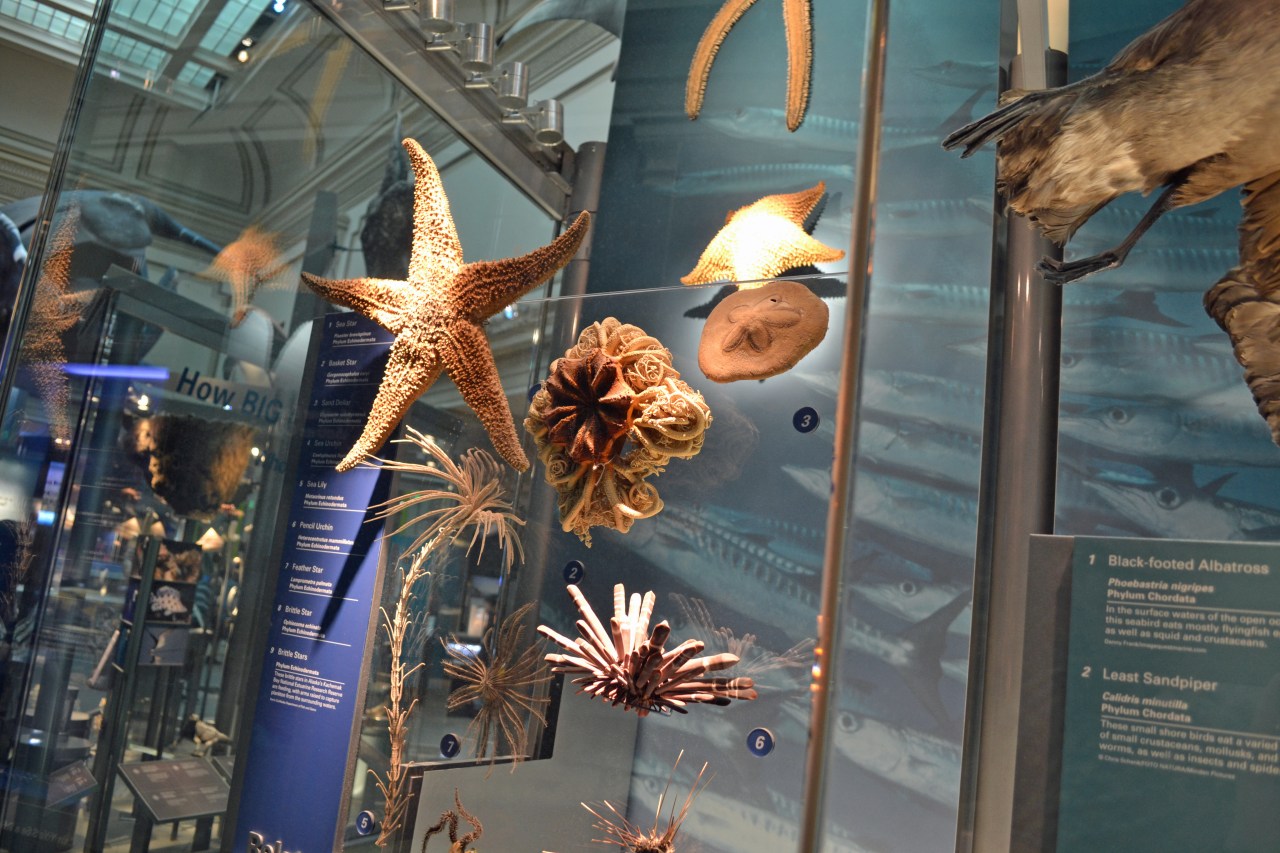
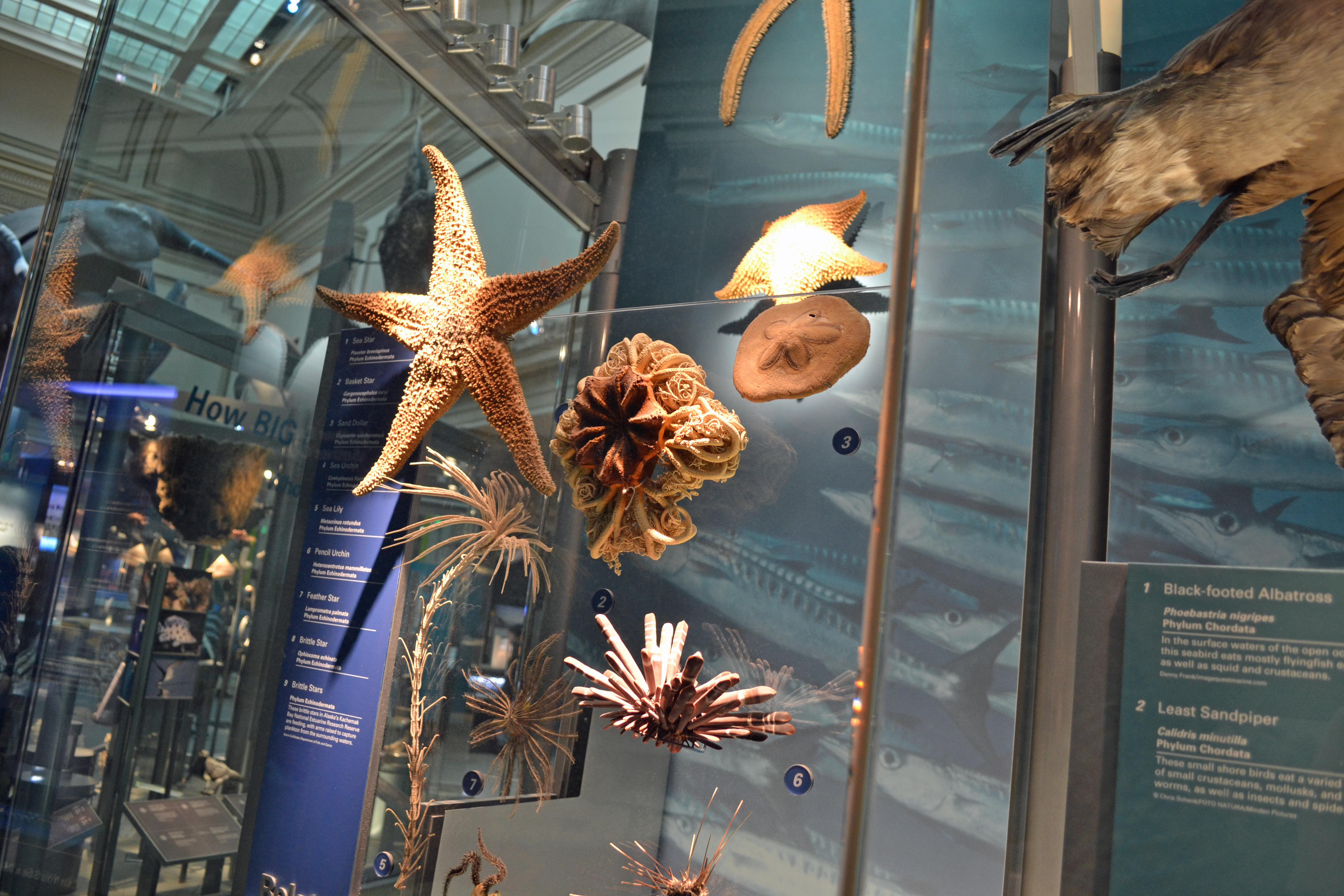
Starfish!
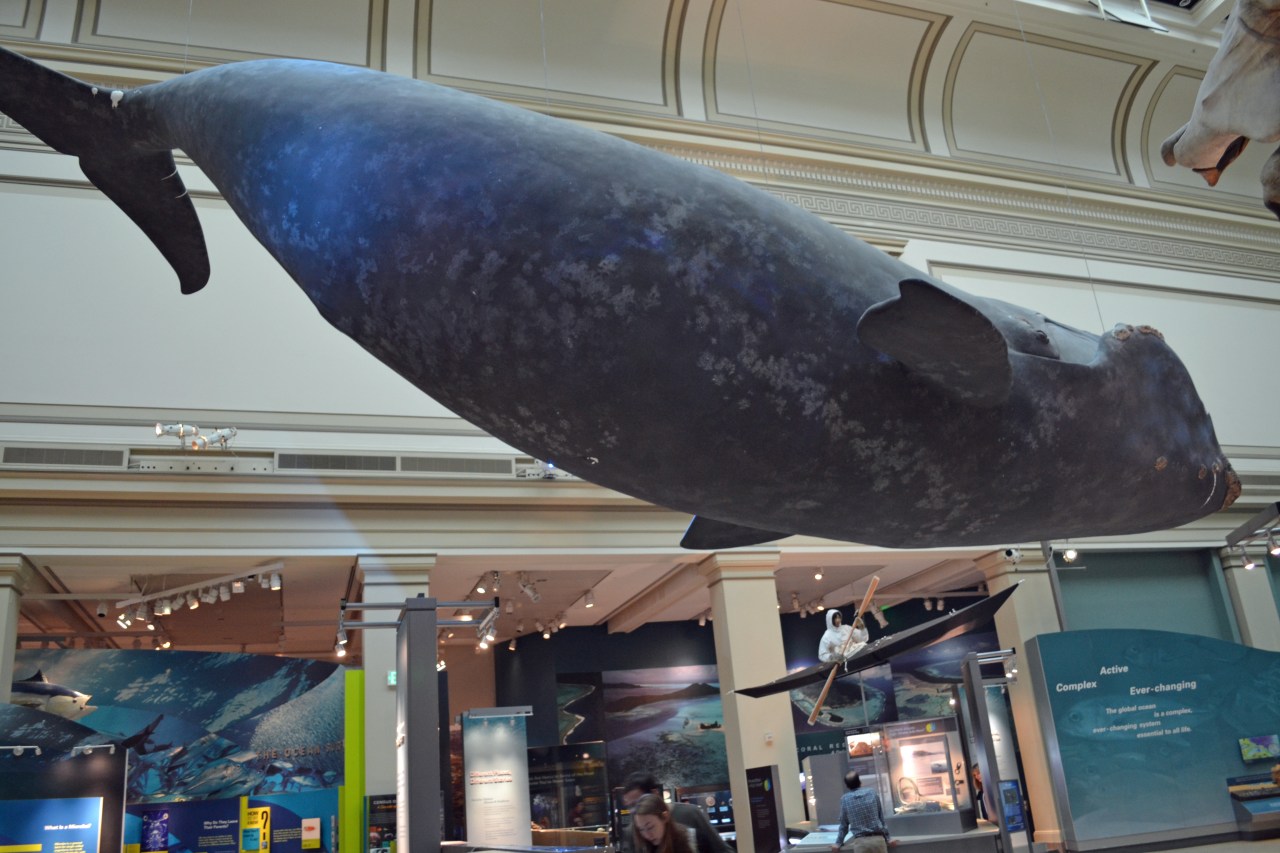
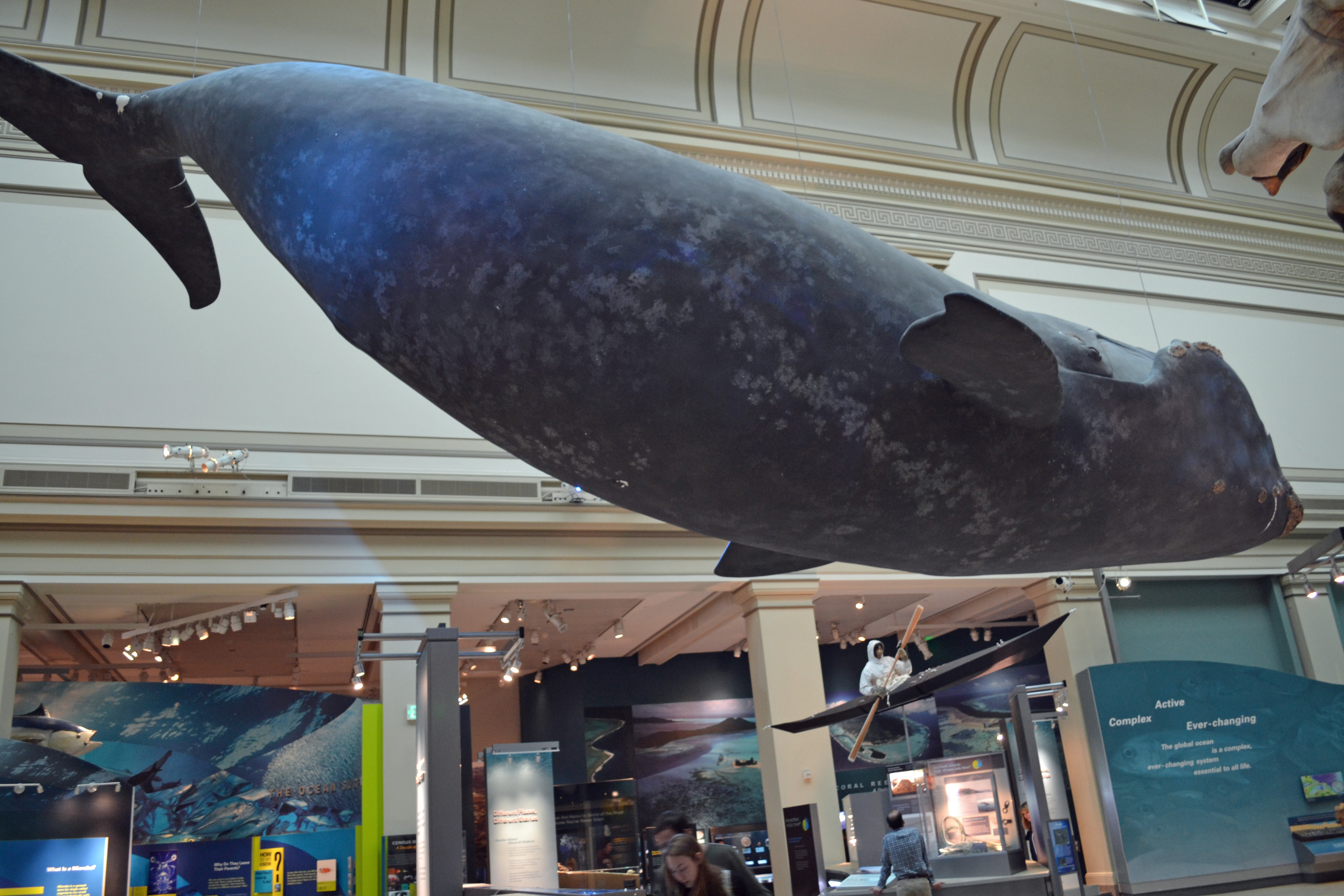
Whale, starboard side! Or is it port side? I always get those mixed up.
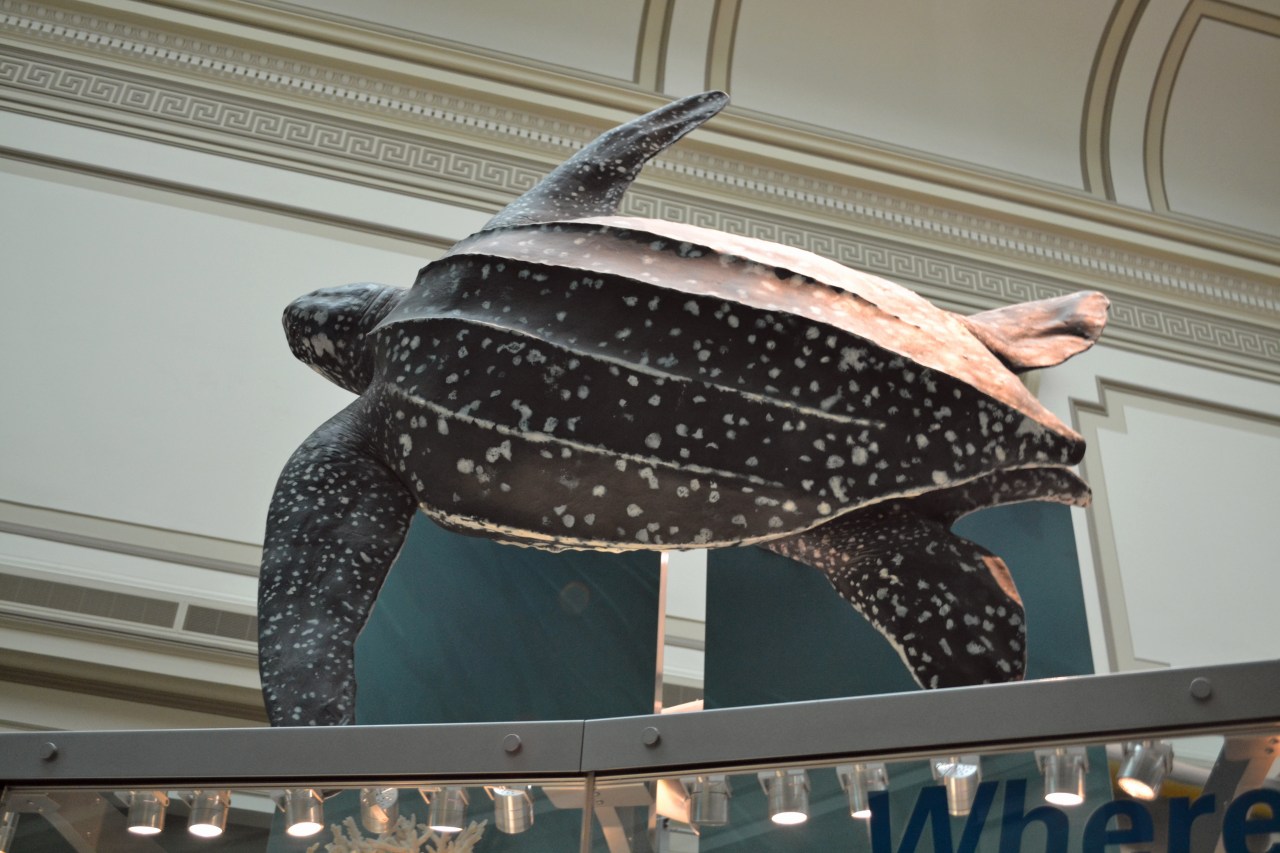
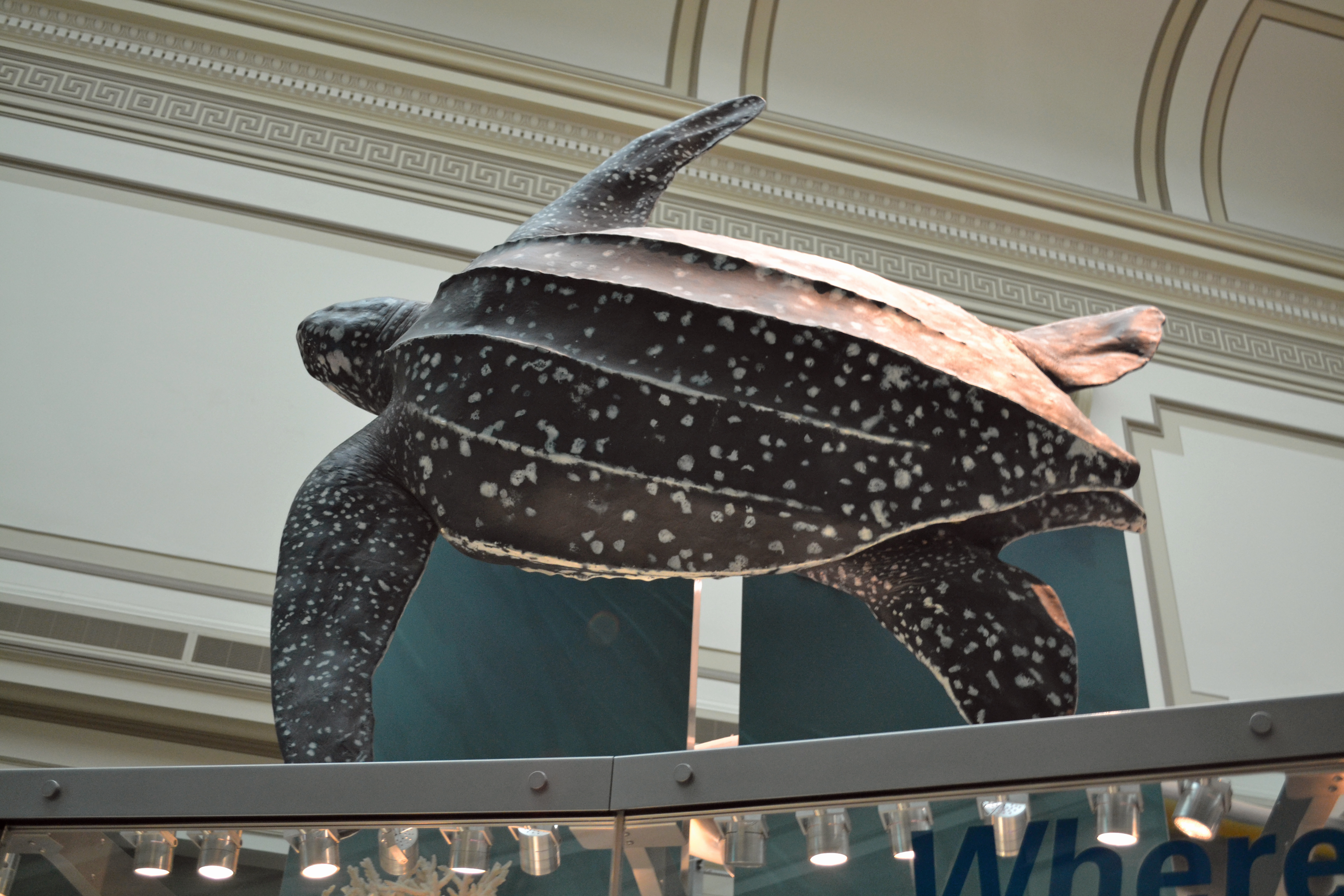
Sea turtle, like in Finding Nemo!
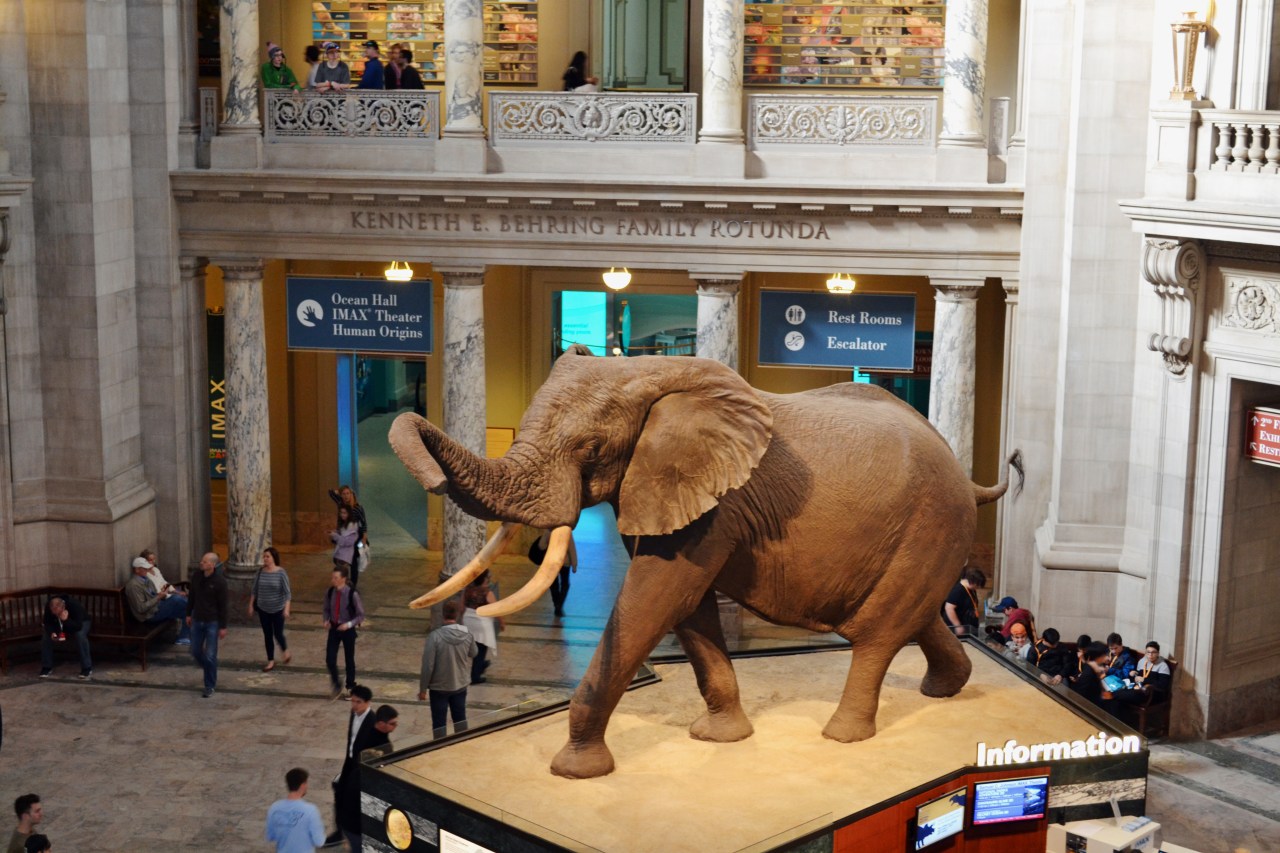
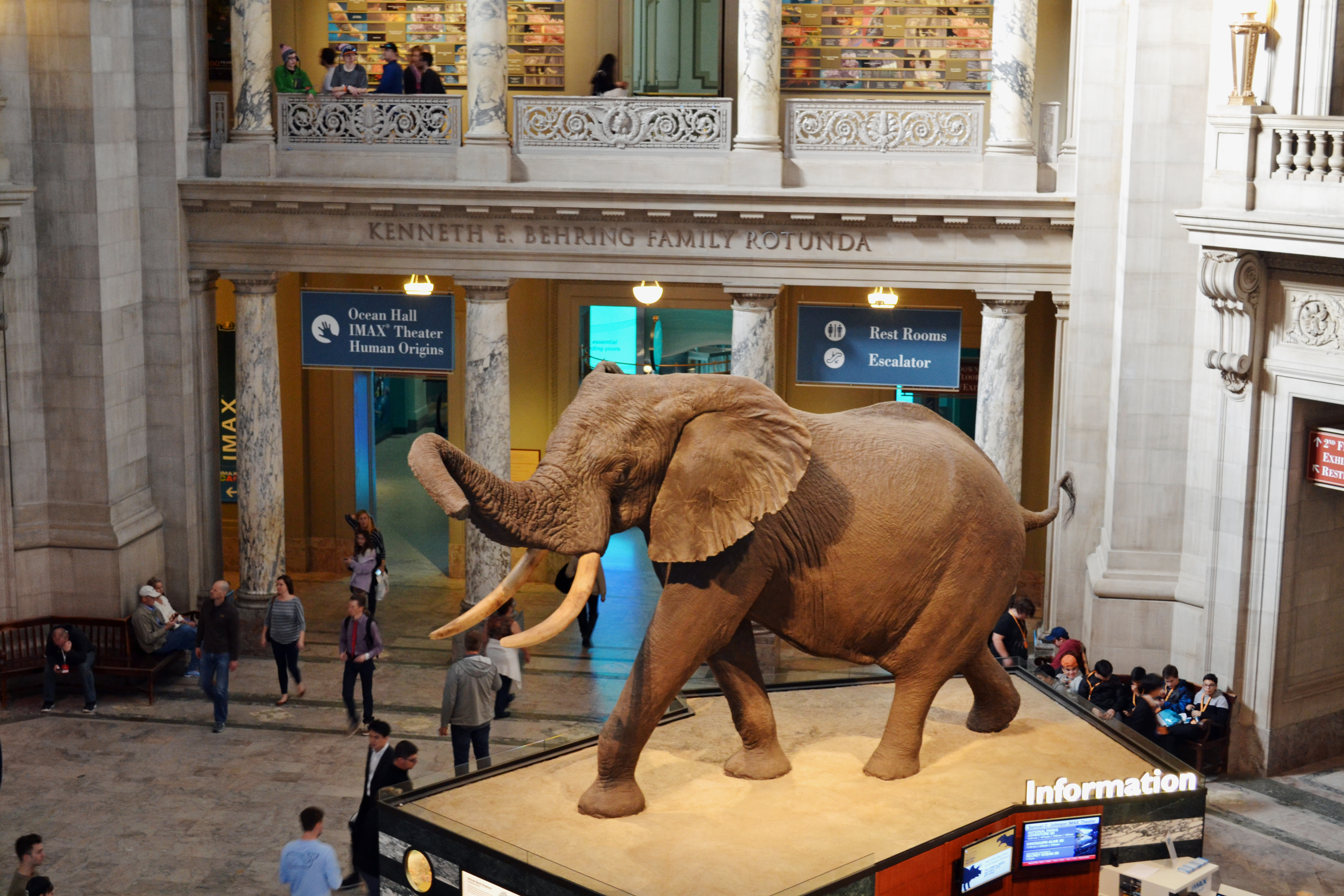
This elephant was amazing to see.
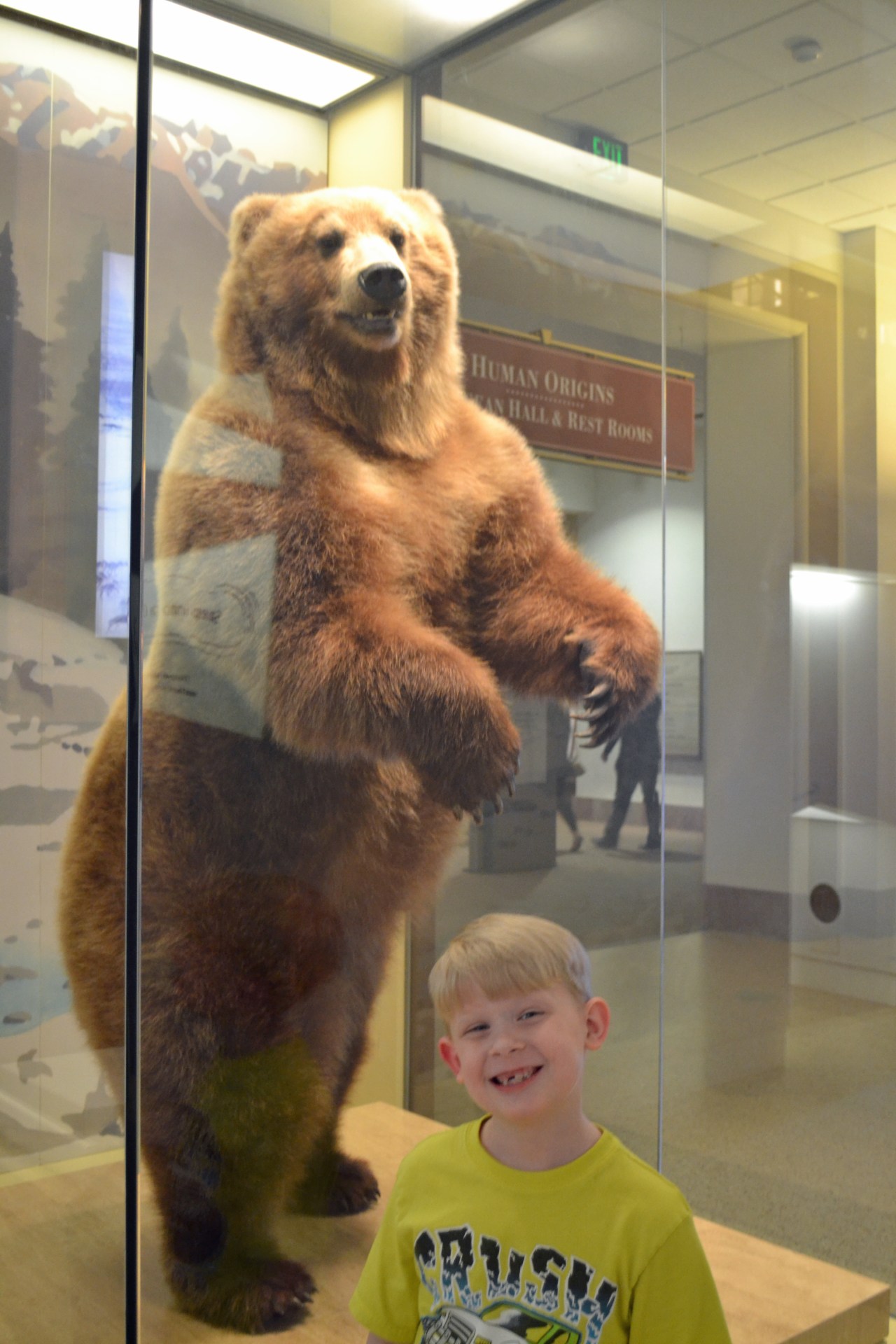
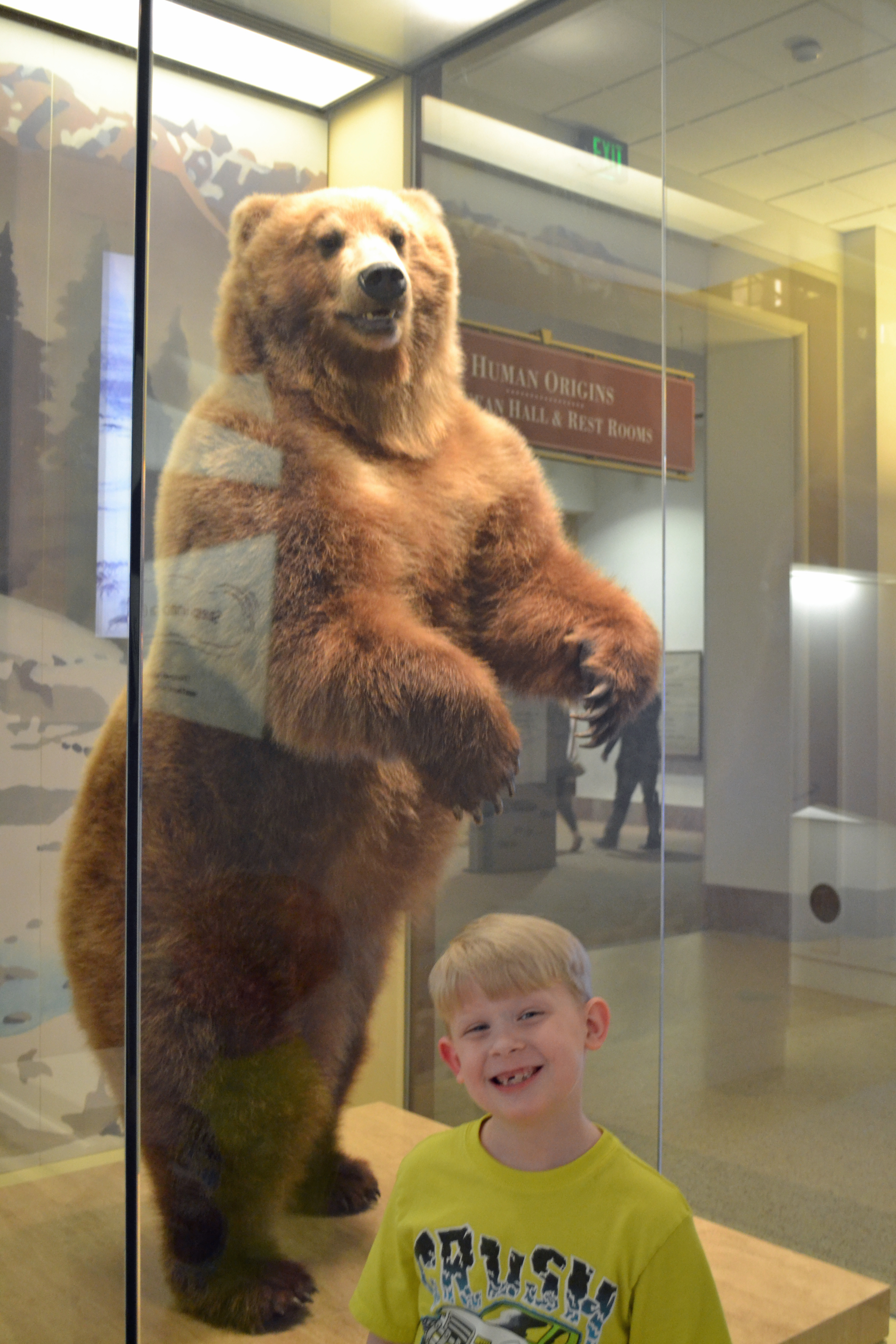
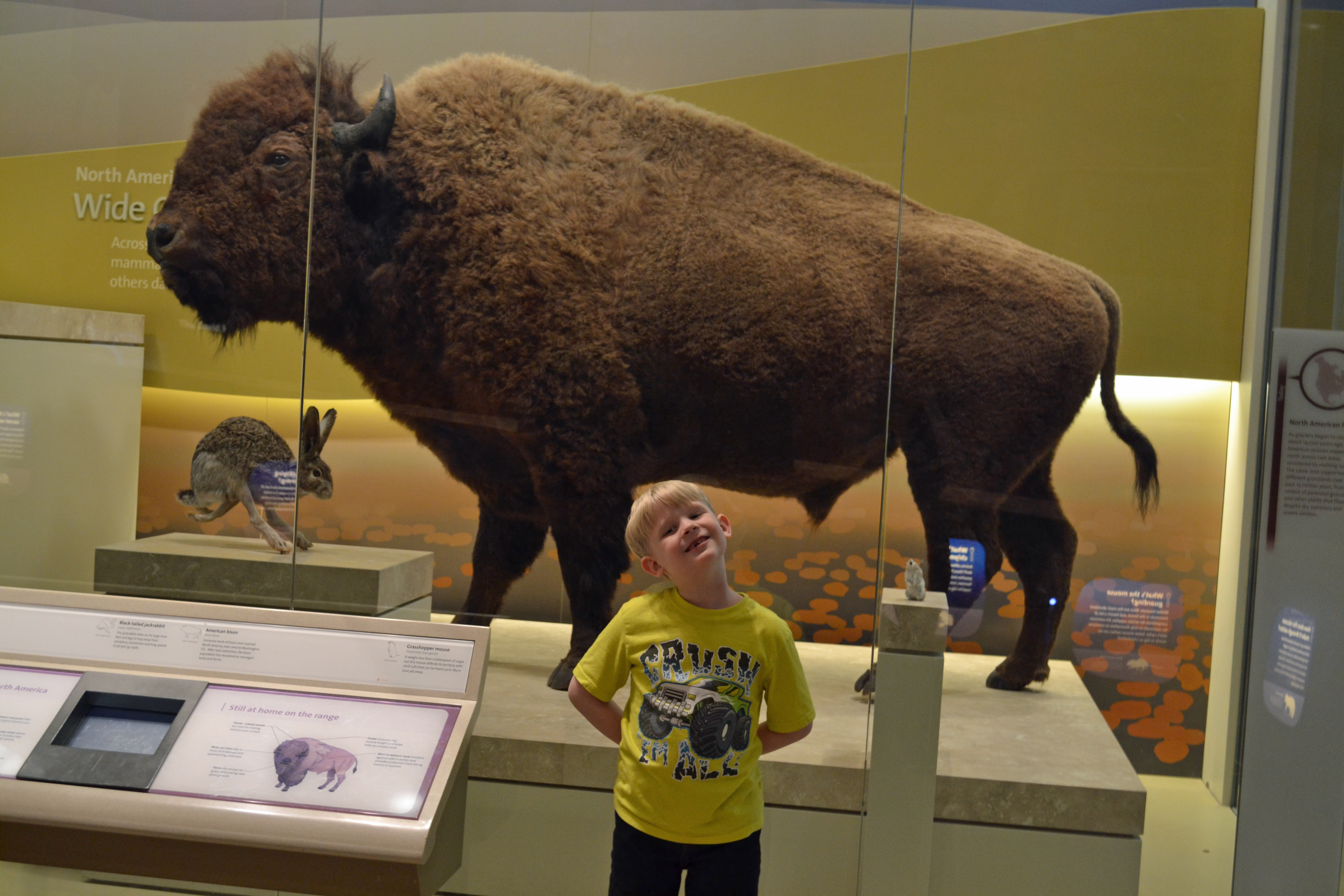
Matt was pretty excited to see these animals close-up. They had hundreds on display, I just photographed our favorites.
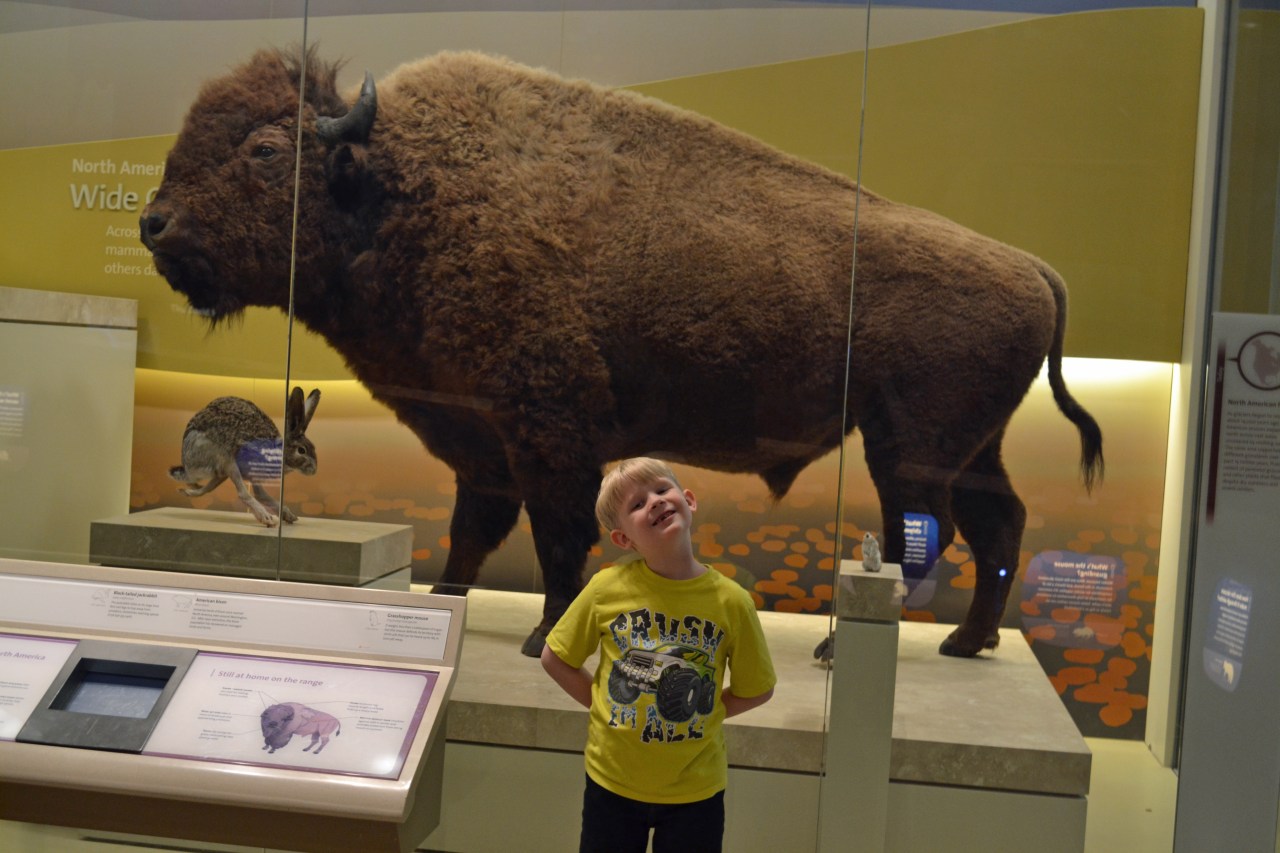
Ah, a little piece of home in D.C. (We have the real thing here.)
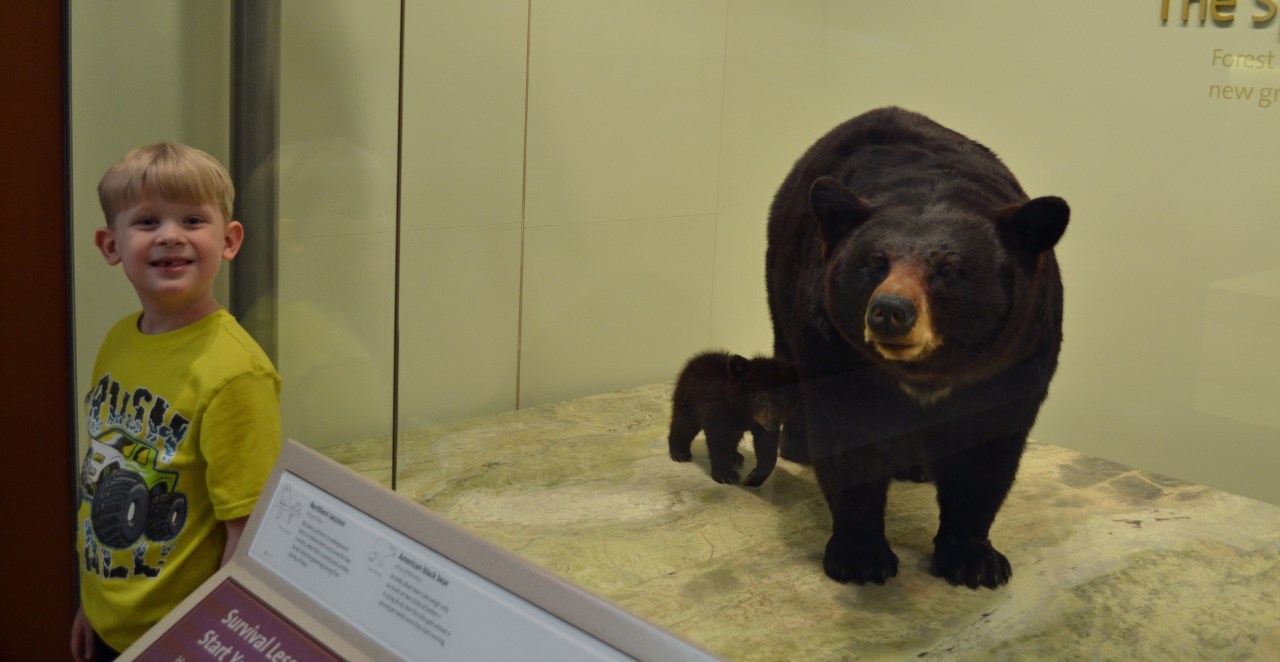
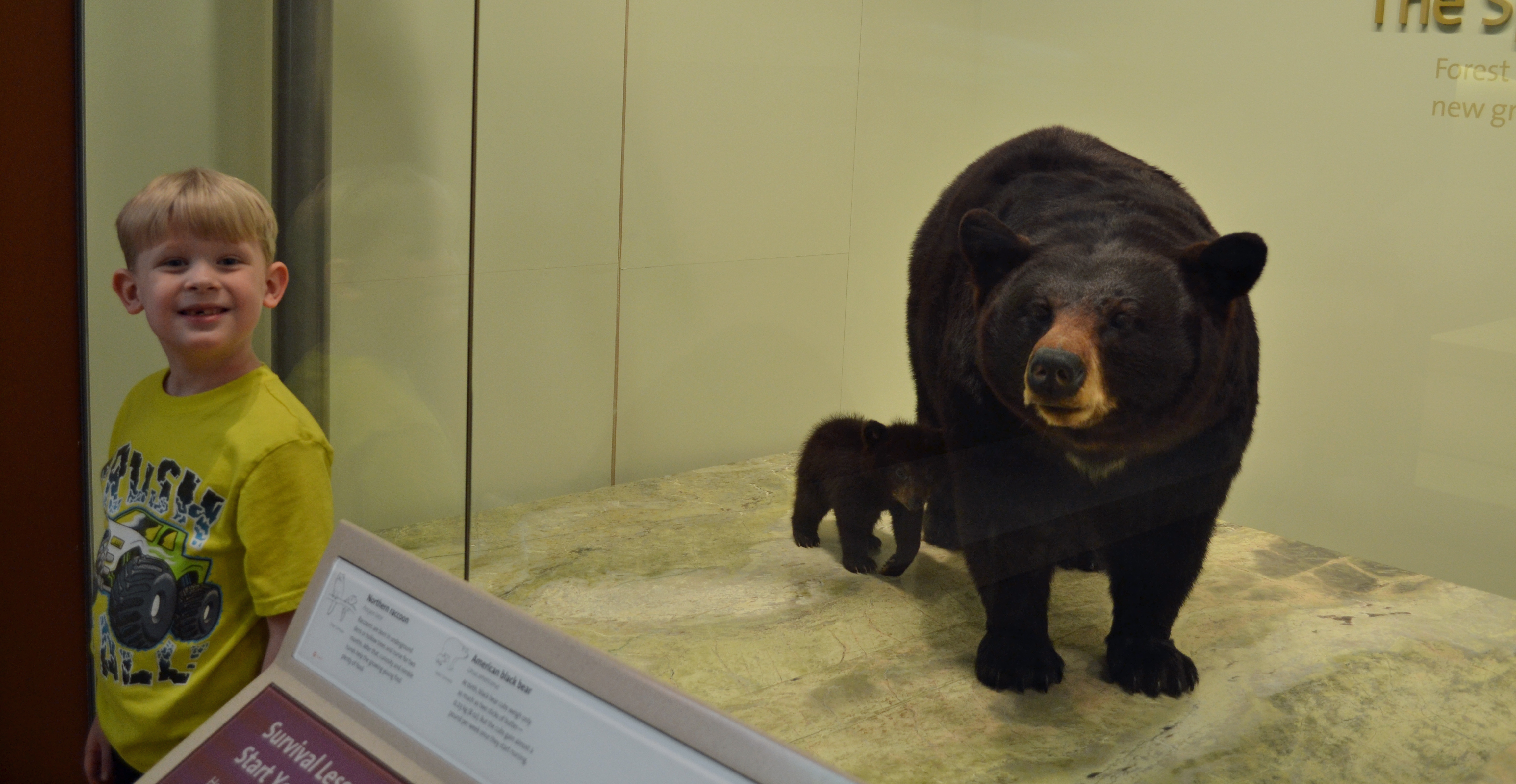
My cub with a cub.
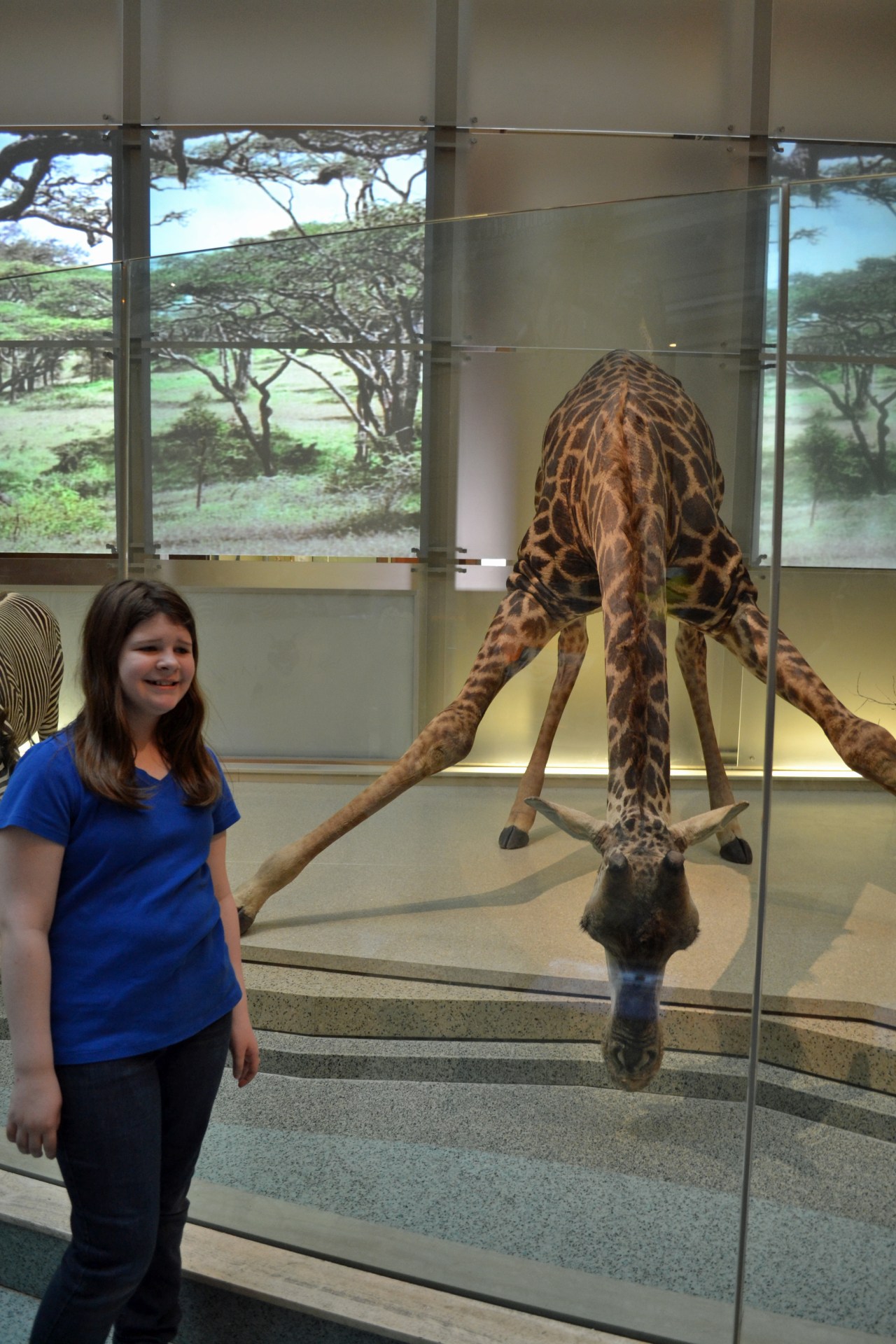
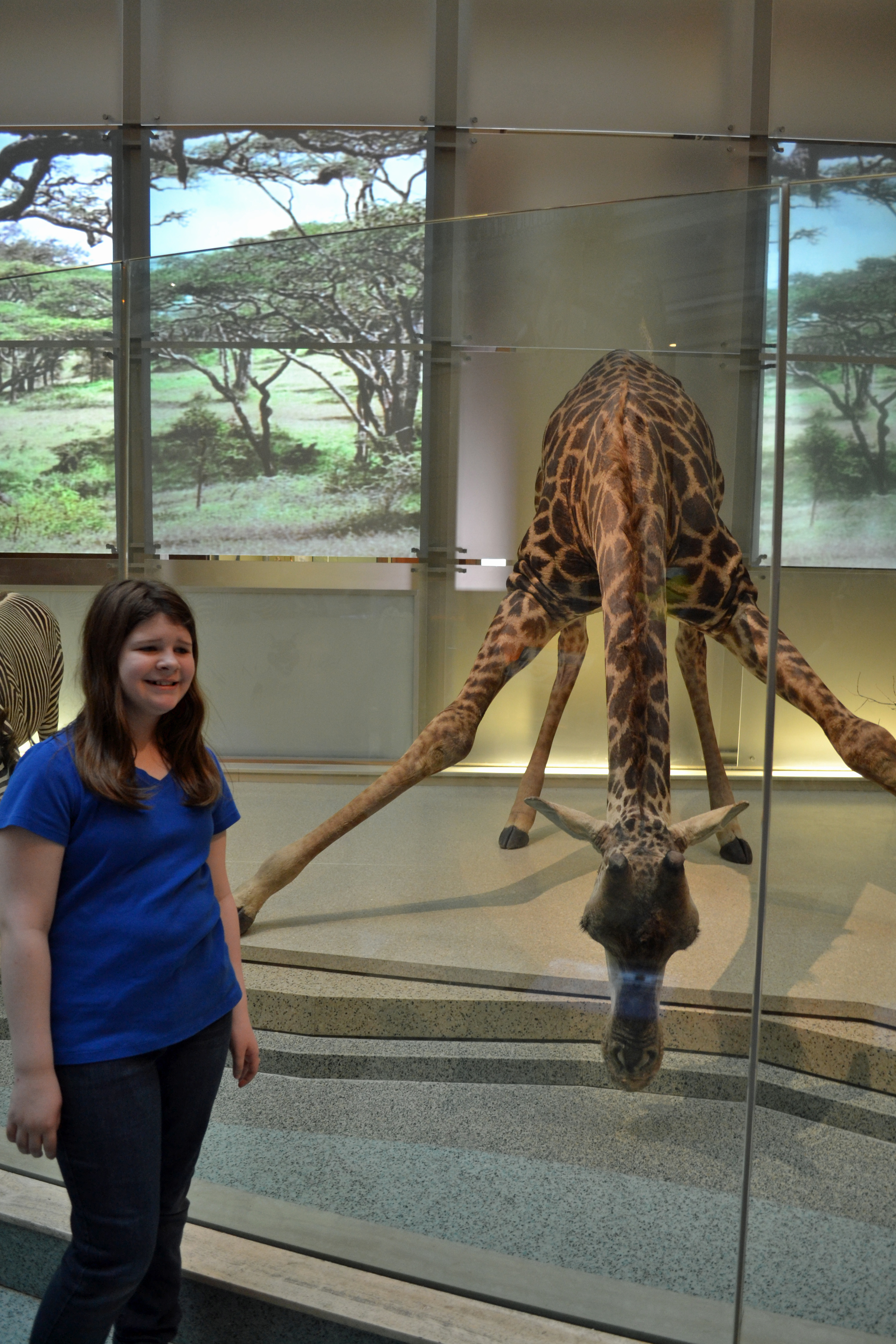
I’m not sure if Laci didn’t want her picture taken, or if she is worried about the giraffe’s comfort? I’ll let you decide.
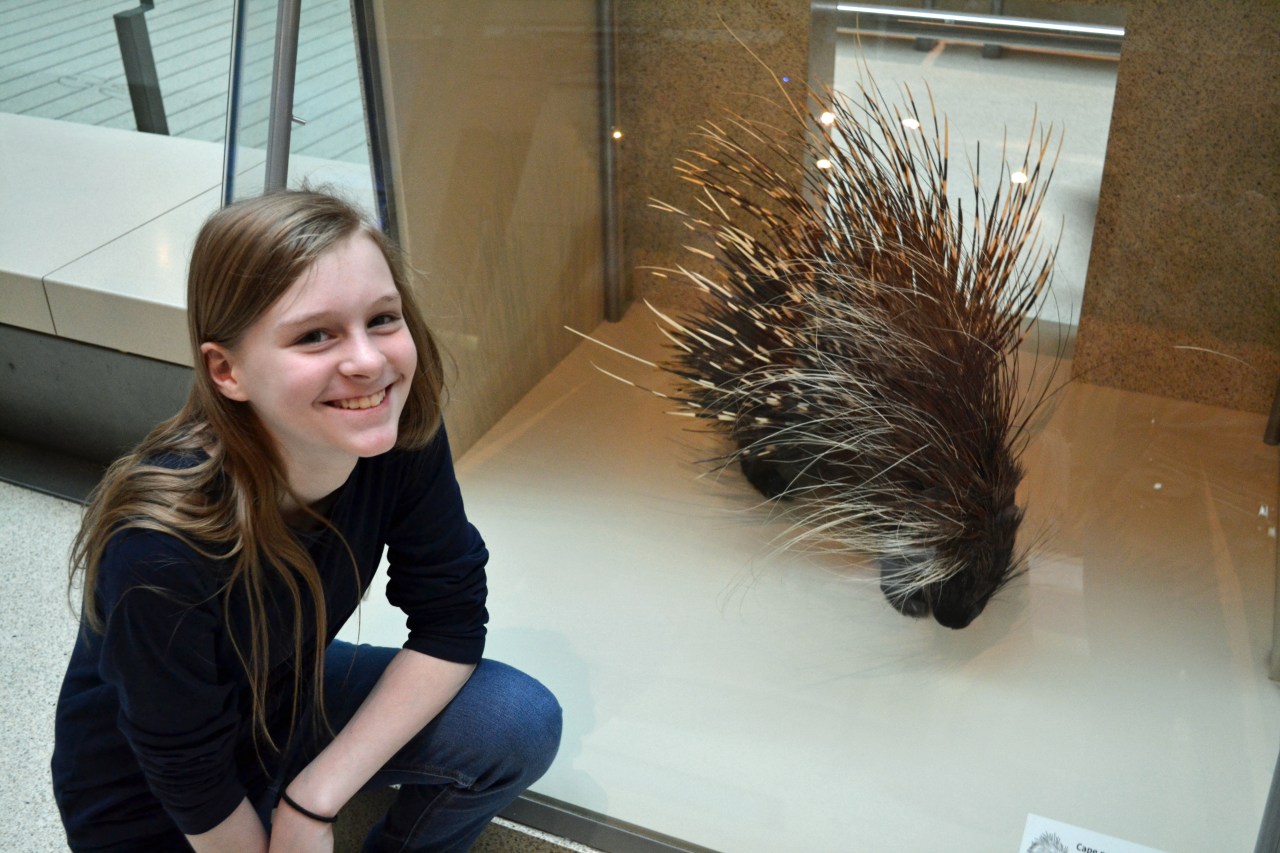
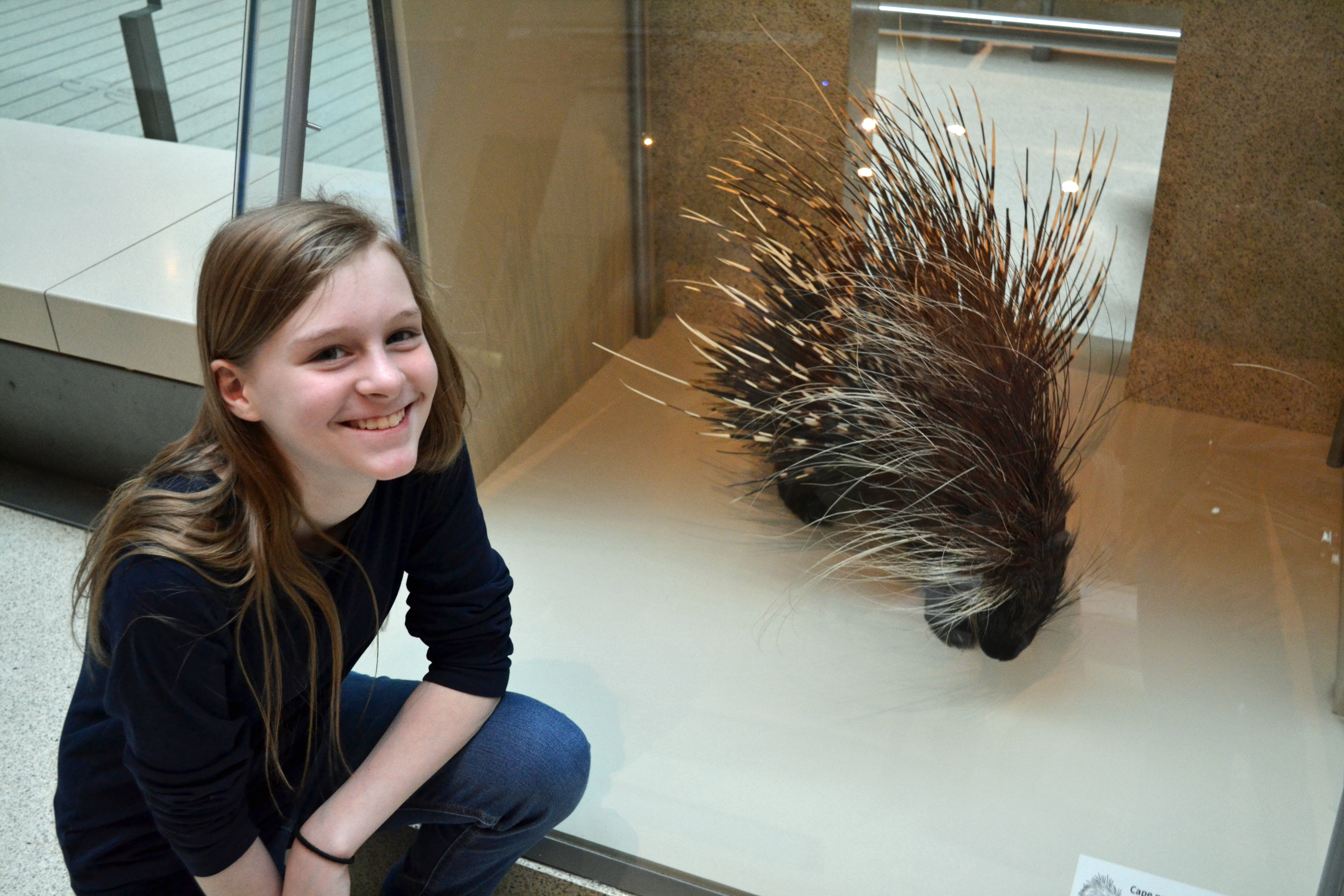
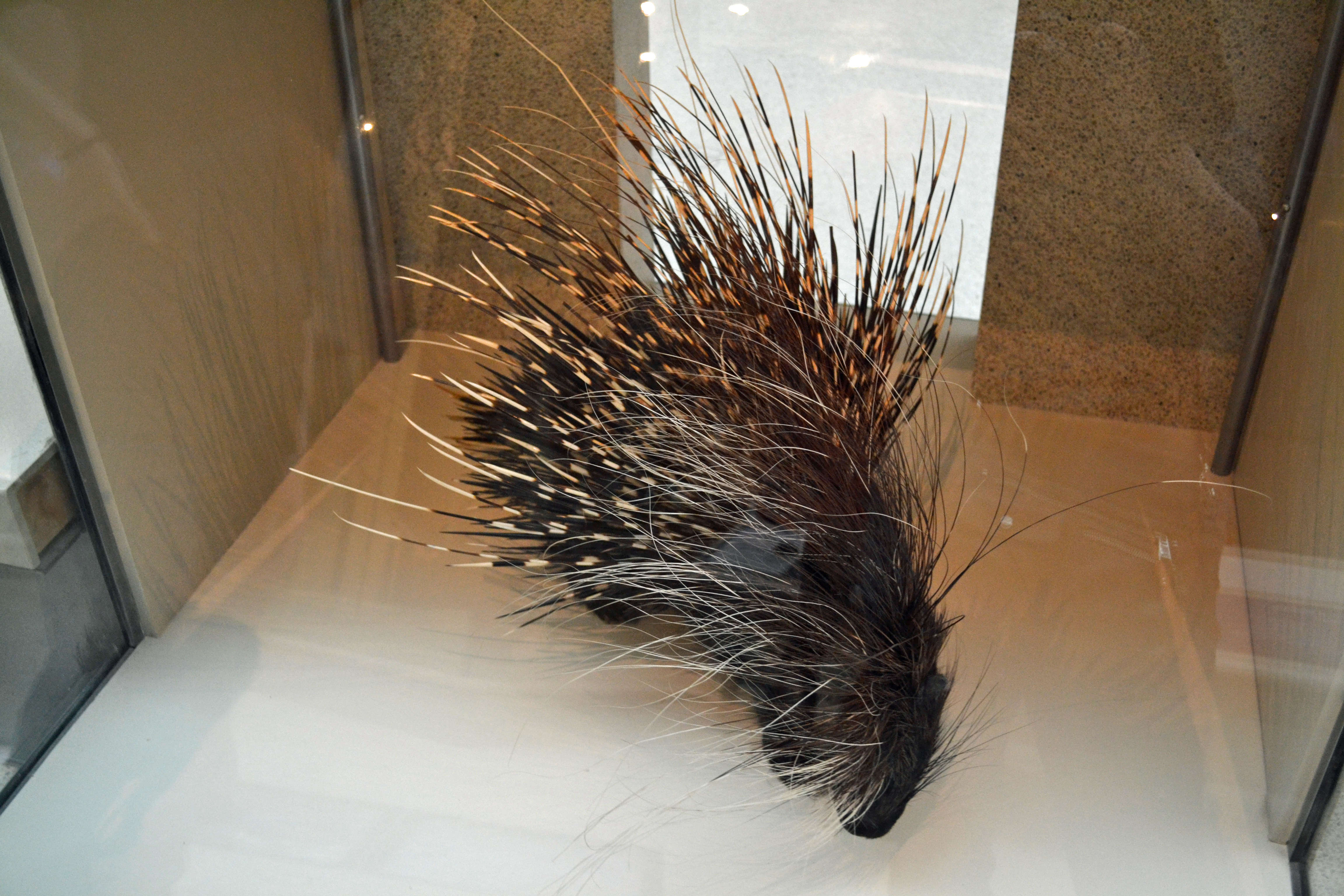
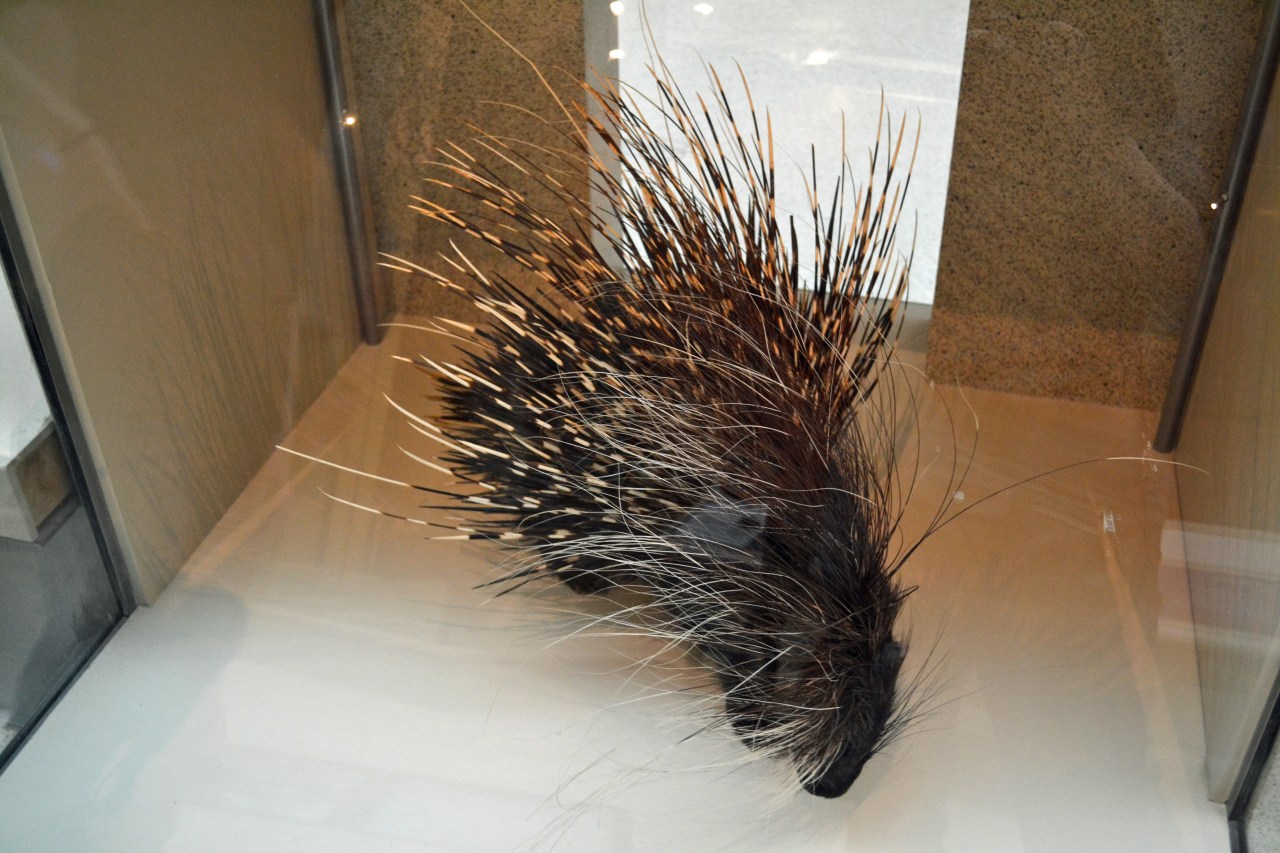
This porcupine was interesting to observe. I’m glad he is stuffed!
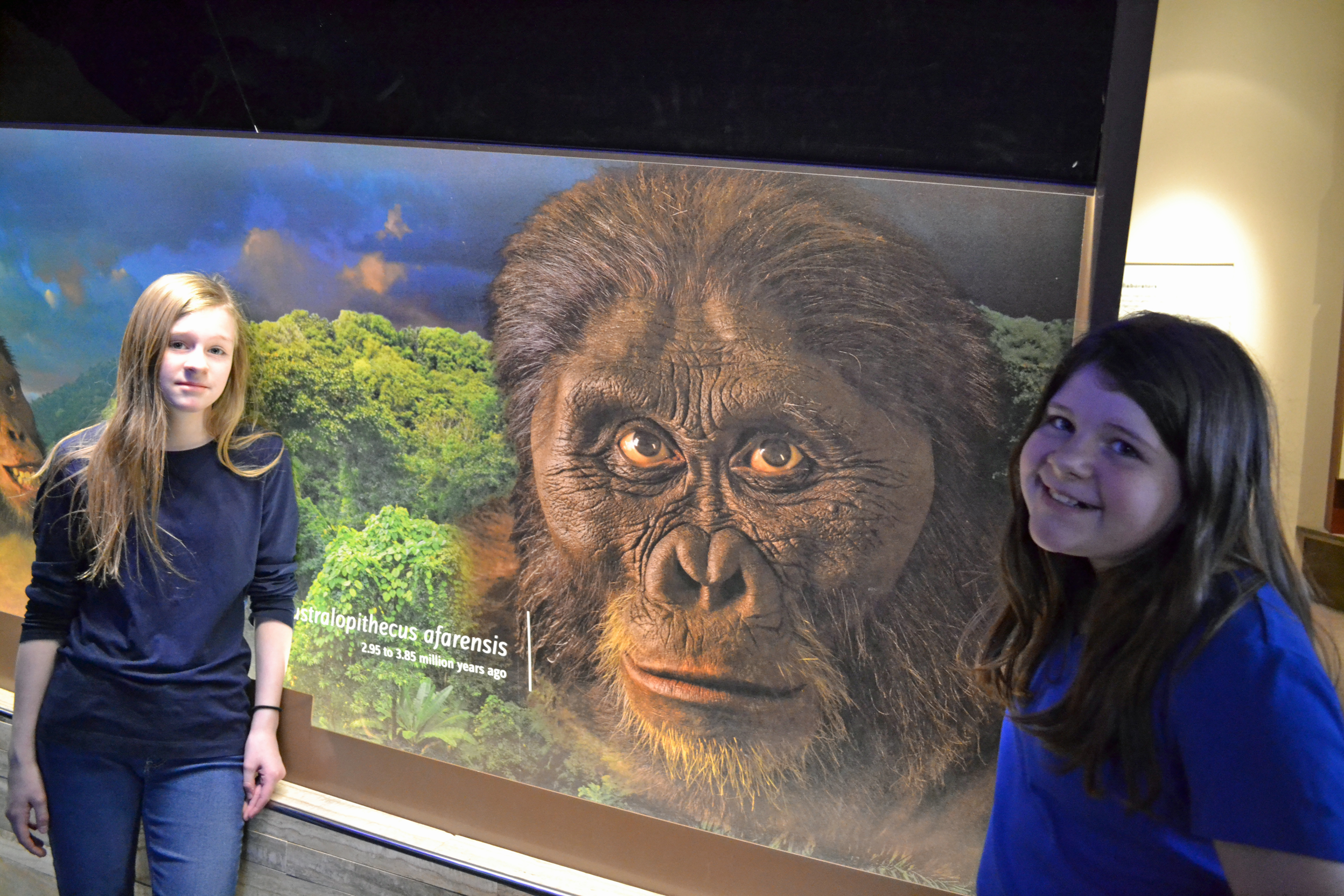
There was one huge floor devoted to evolution. It is disheartening to see the elaborate displays paid for by our tax dollars all to indoctrinate us in a myth. *sigh* Okay, rant over. This picture of the ape was incredibly life-like. Leslie isn’t too pleased with it though.
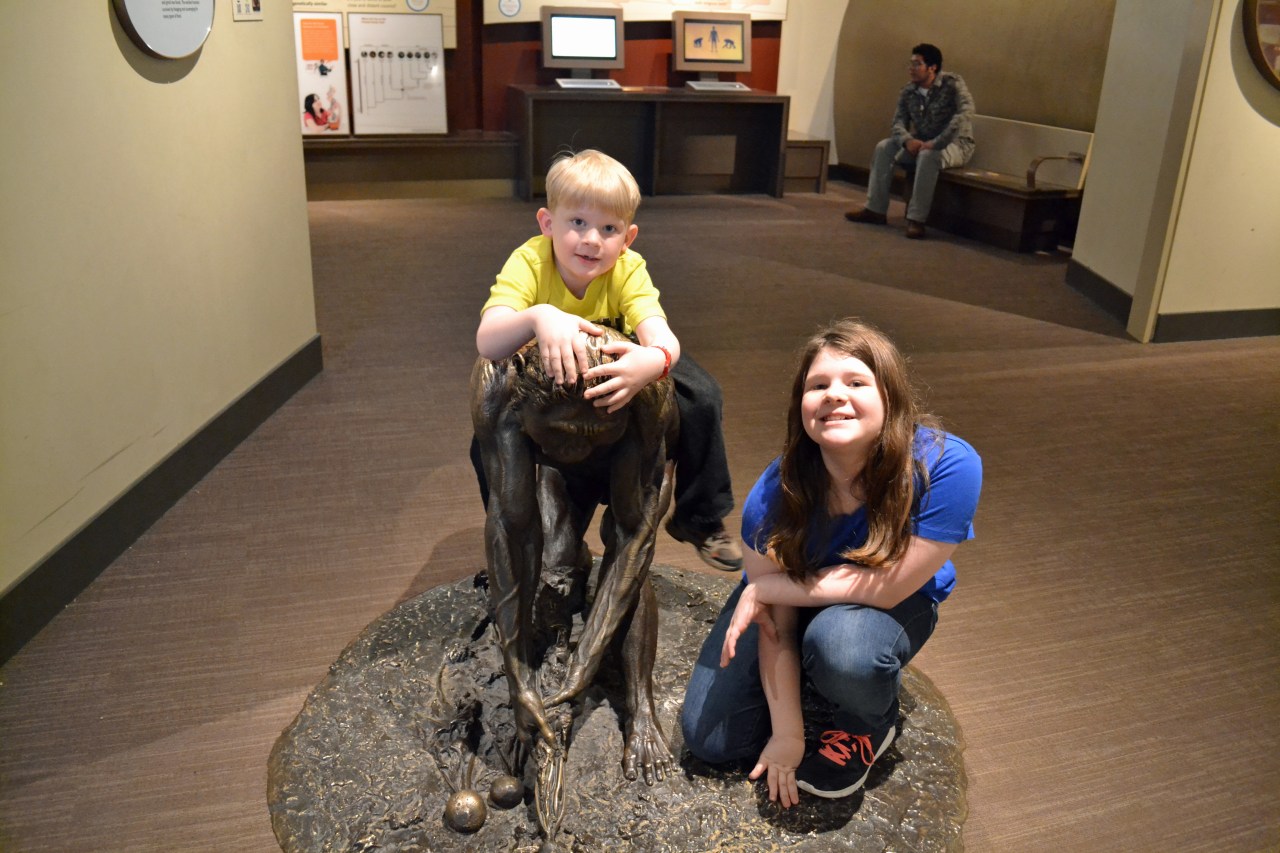
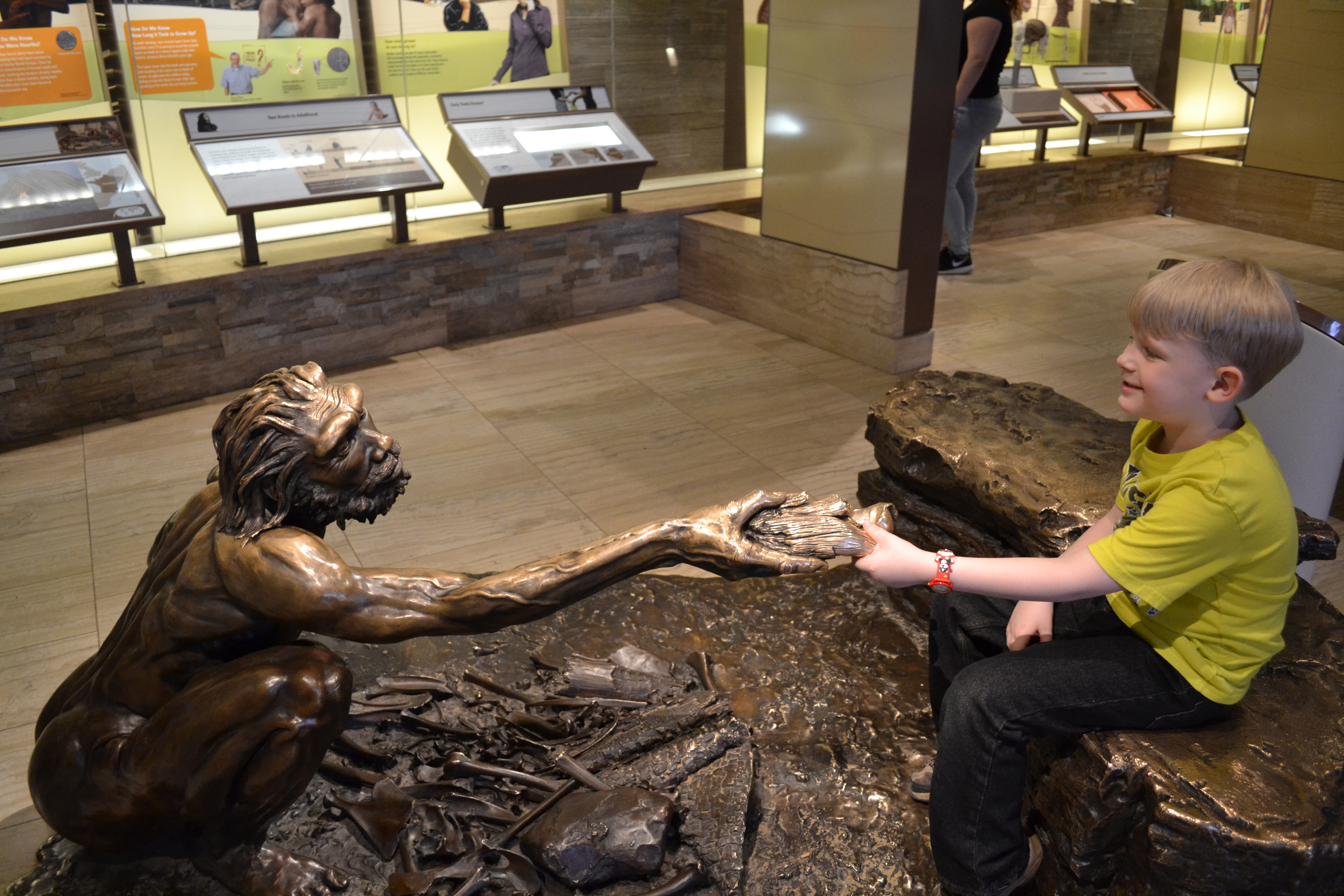
These statues were shiny where children sat on them.

It’s not every day you get food from a cave man.
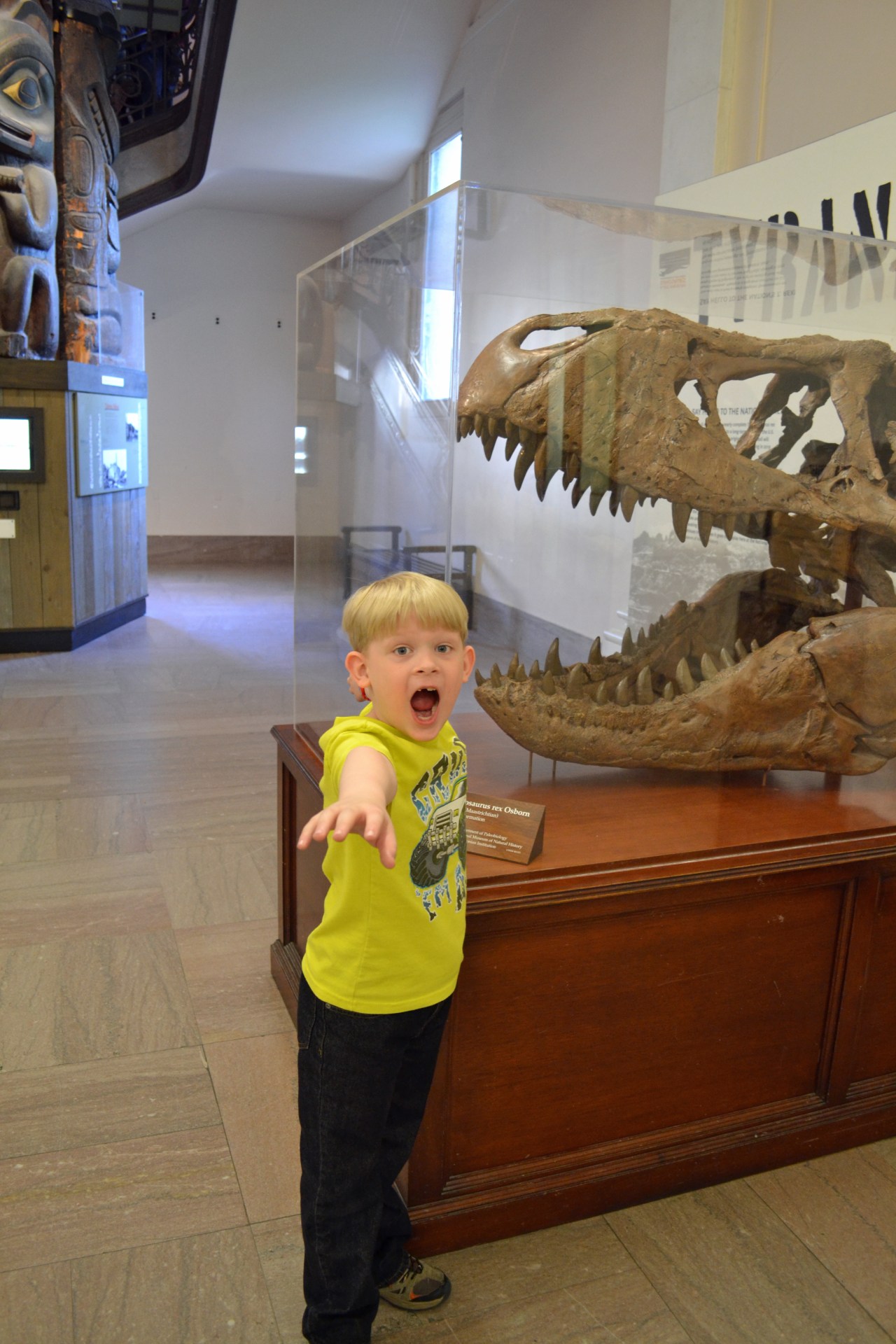
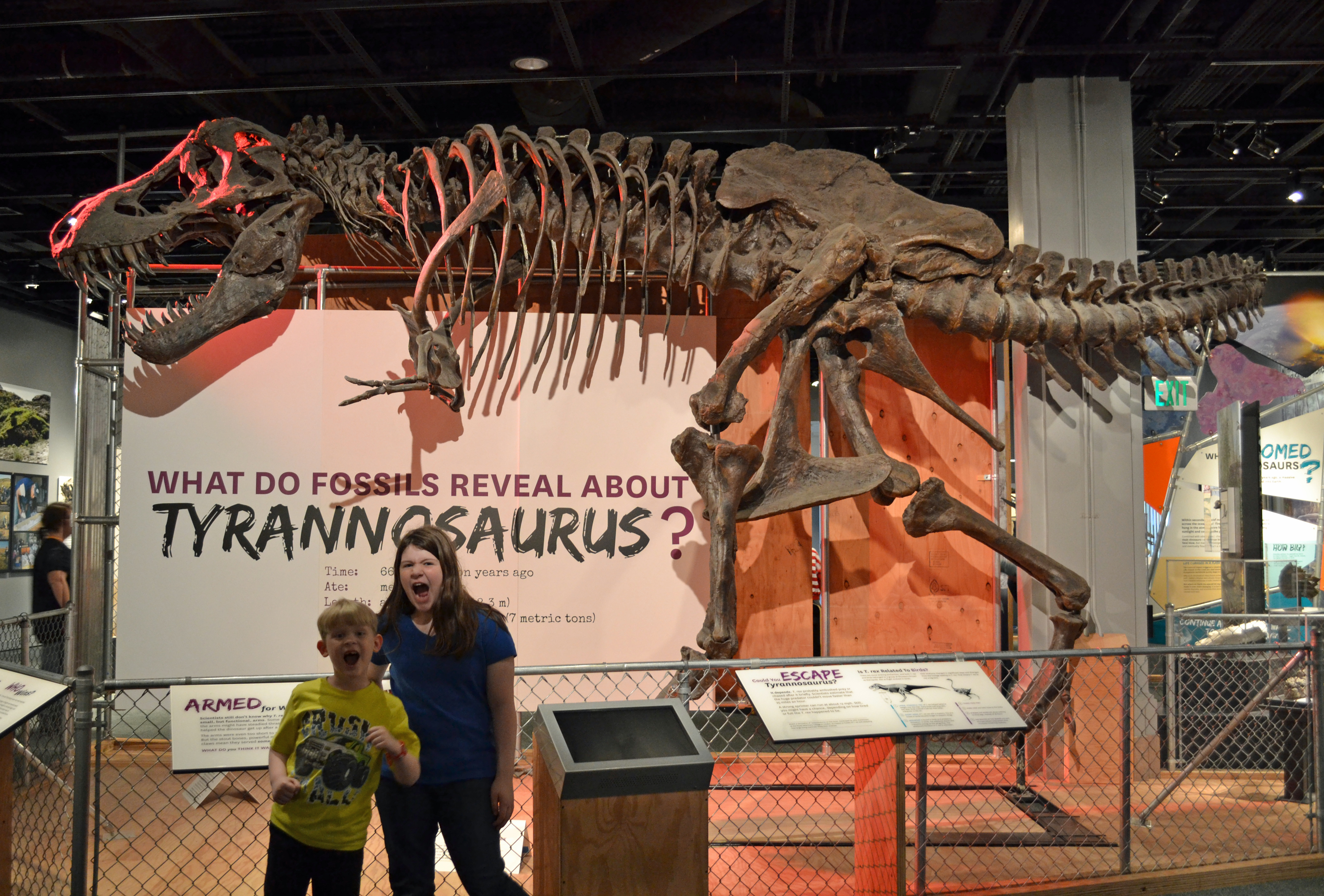
Matt was in dinosaur heaven! Here he is with a T-Rex skull, pretending to be eaten.
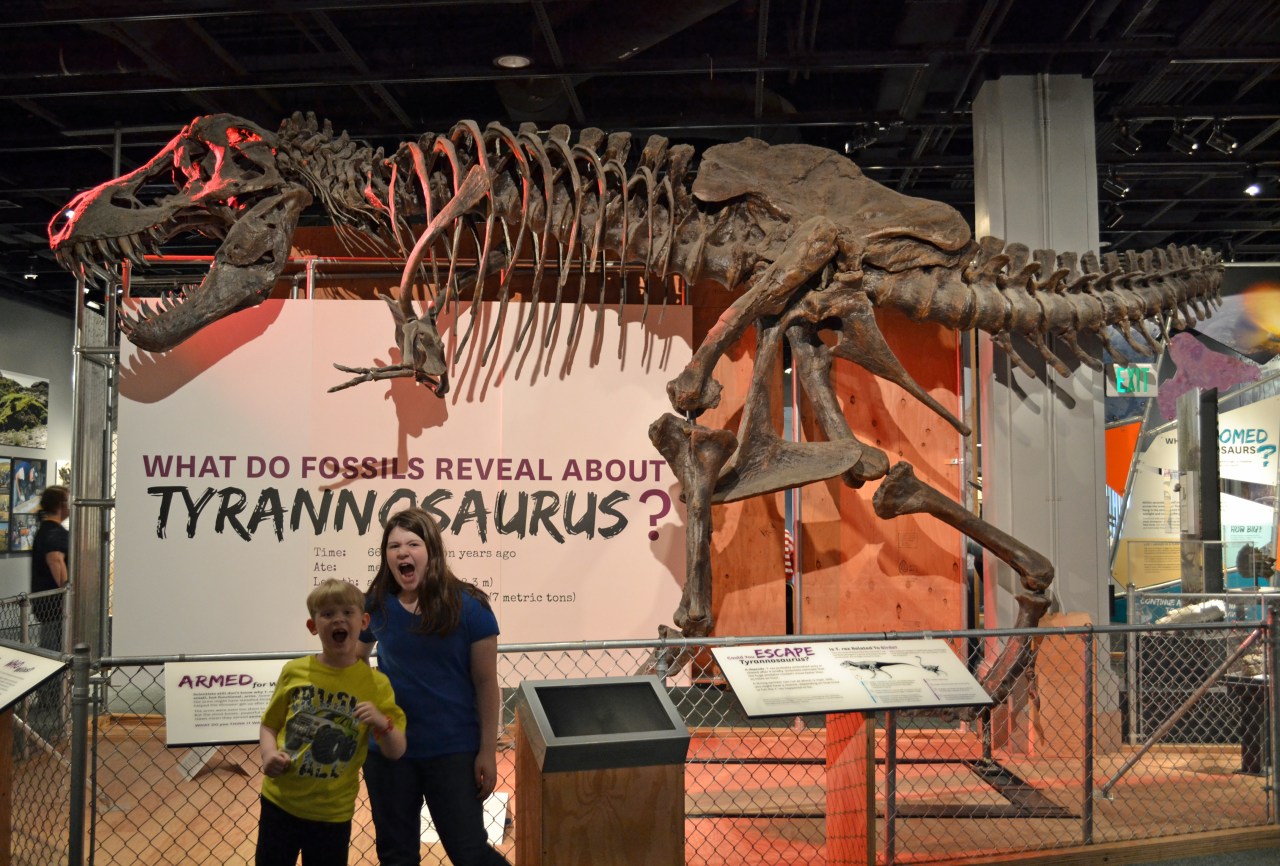
Run for your life!
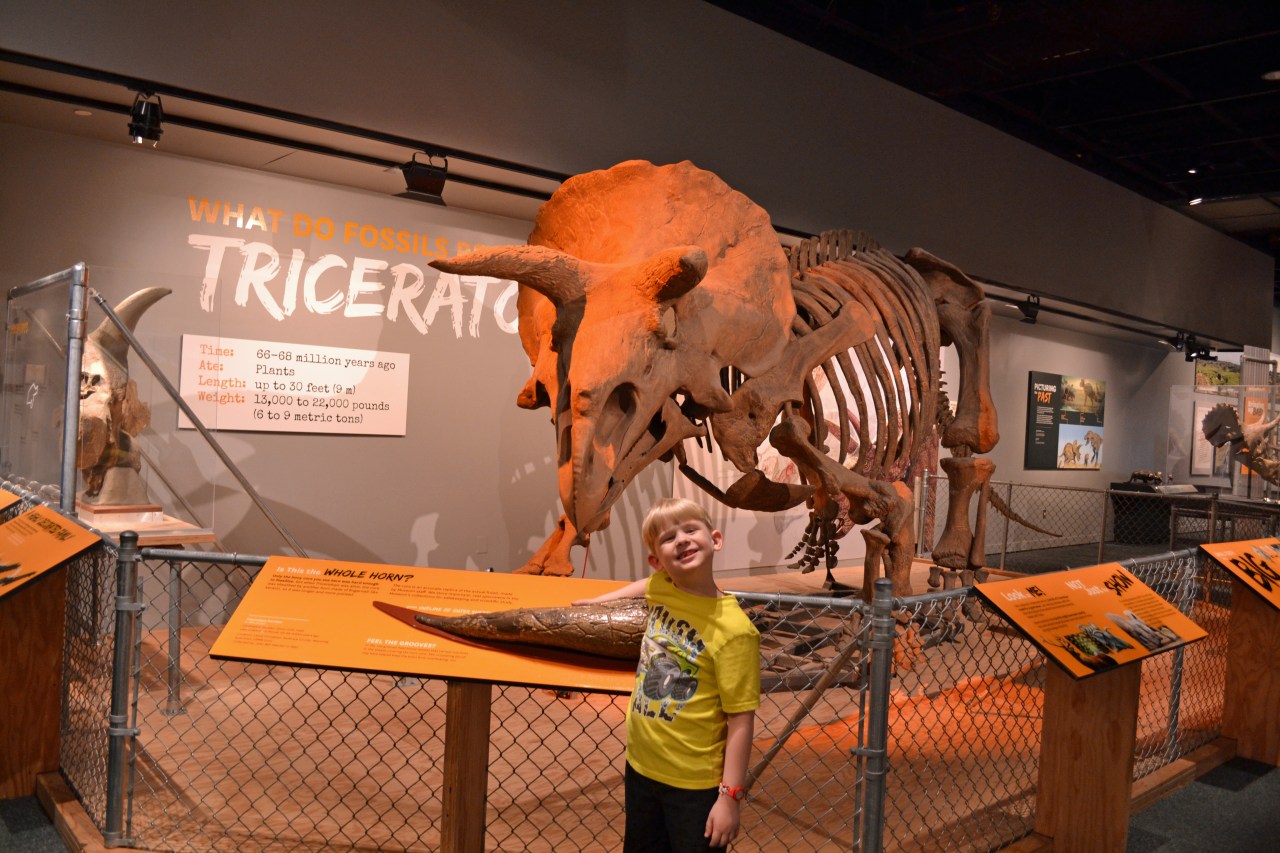
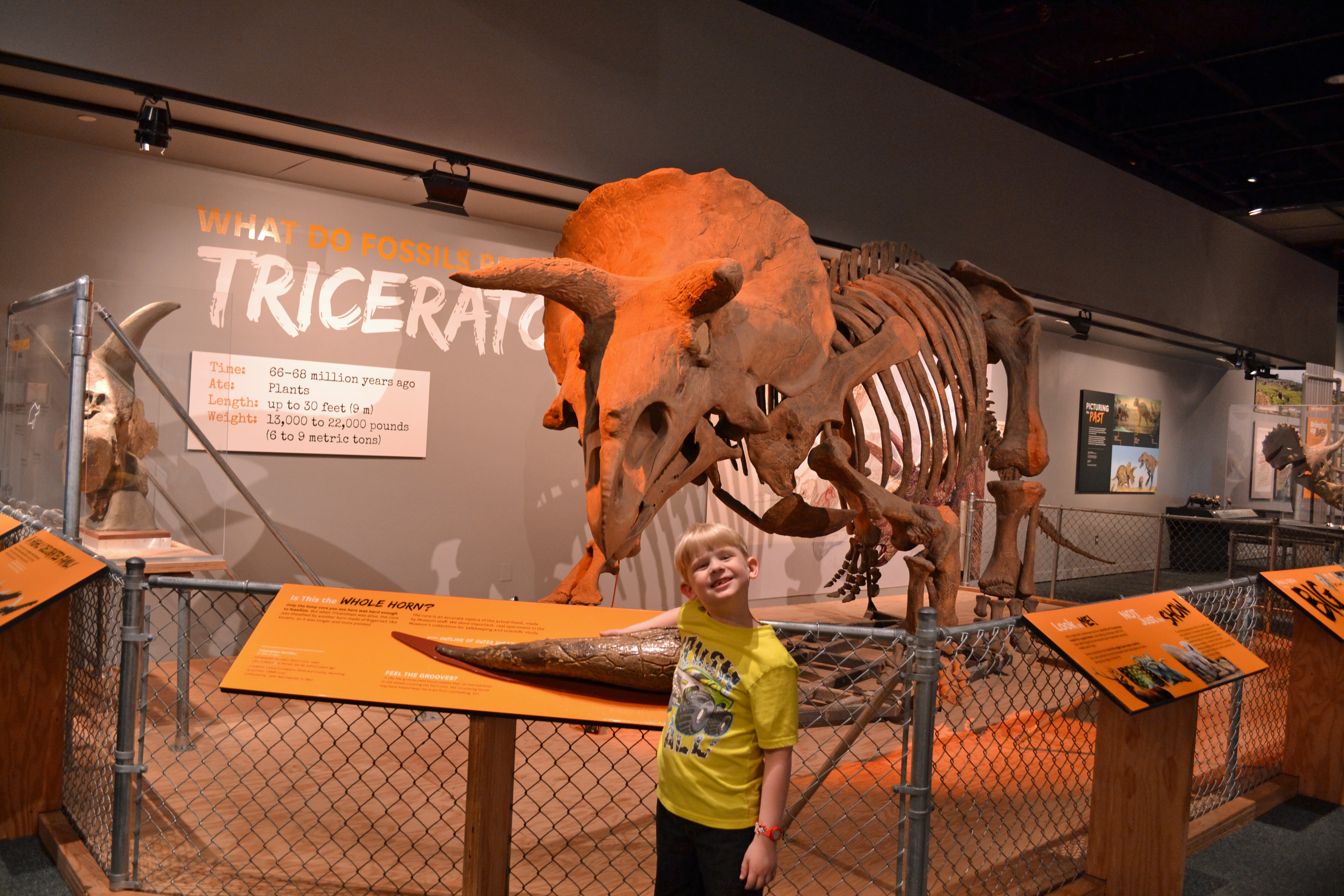
Triceratops
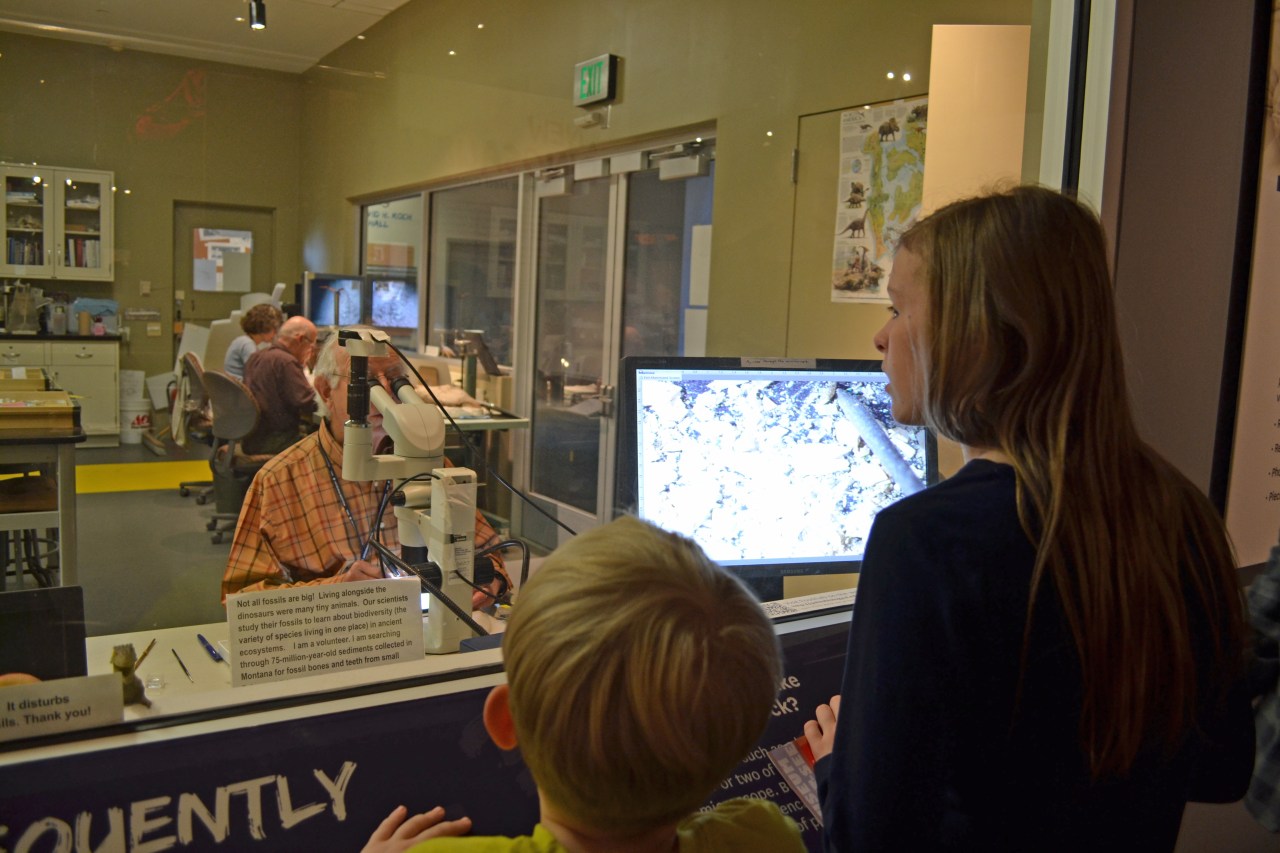
You could watch these scientists as they looked through sand for microscopic fossils. The TV monitor showed us what he was seeing through his microscope.

After we saw the dinosaur bones, there was a display of real mummies to see. I did find the exhibit interesting, especially in light of the Bible, but I just couldn’t bring myself to take photos of them. It seemed sort of an invasion of privacy, I guess. Not to mention they aren’t very pretty. If you would like to see them, I’m sure you can do an online search to find photos.

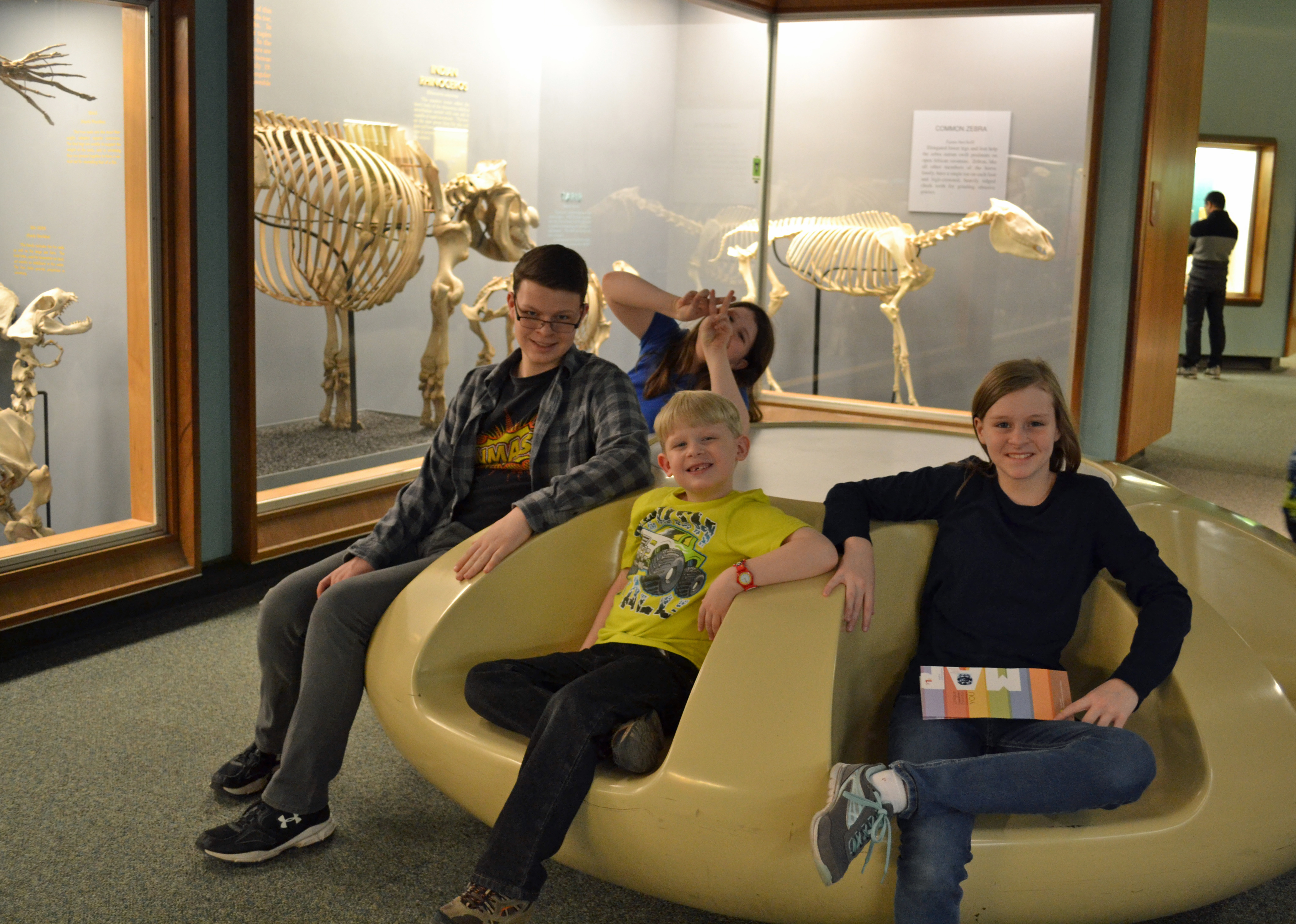
This is my only photo of Mitchell! He was always off exploring on his own, usually ahead of us. I caught them all together when they took a break in this interesting chair.

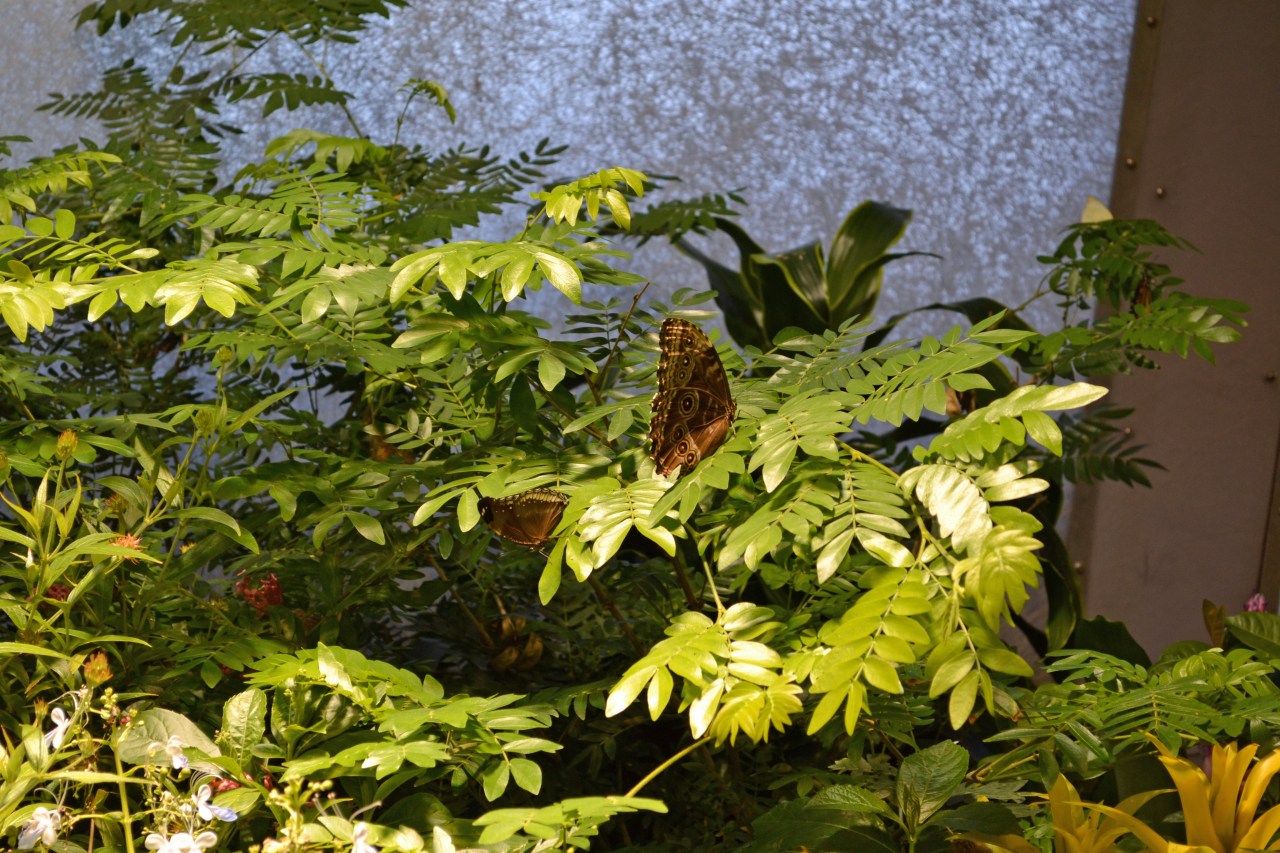
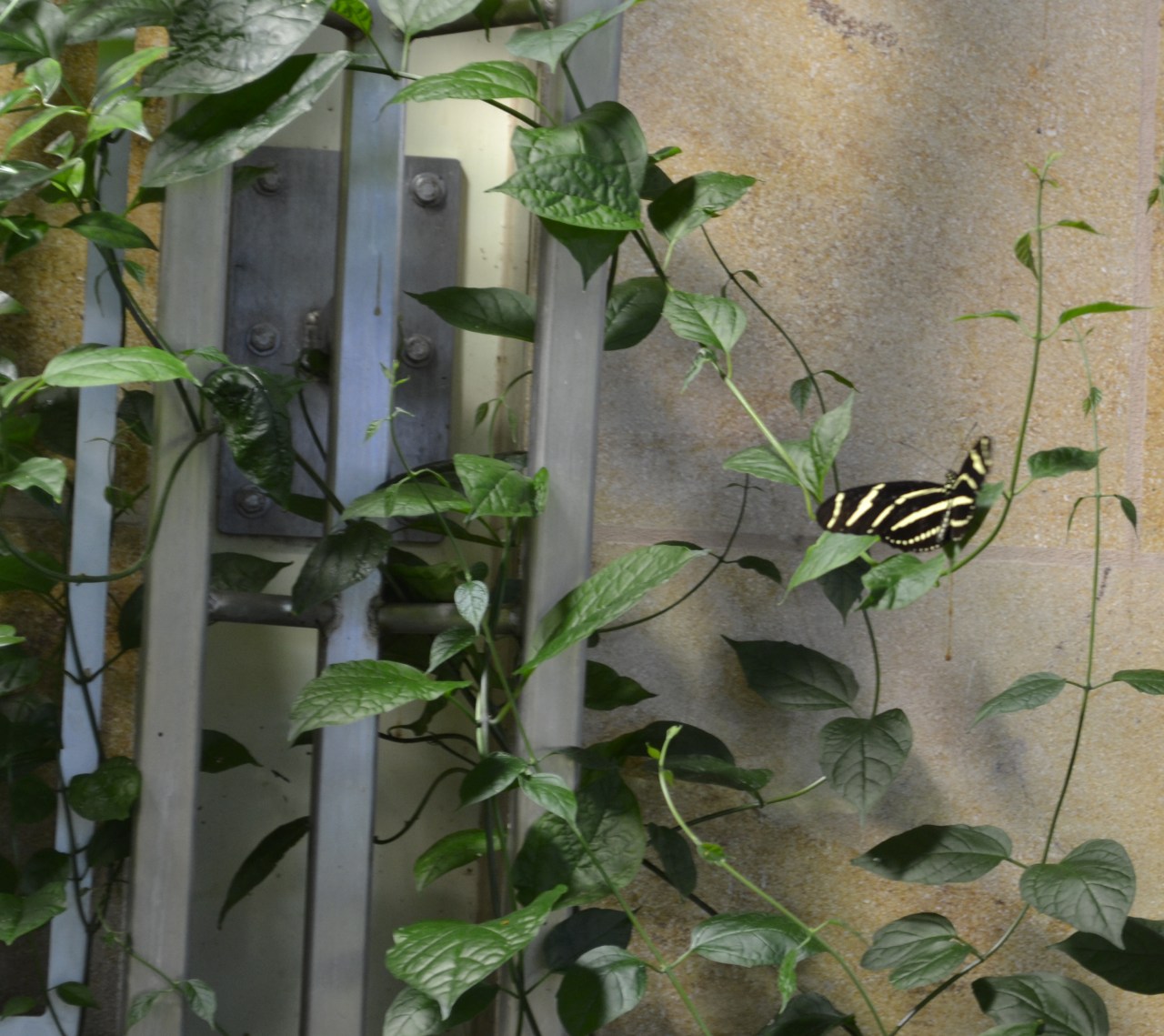
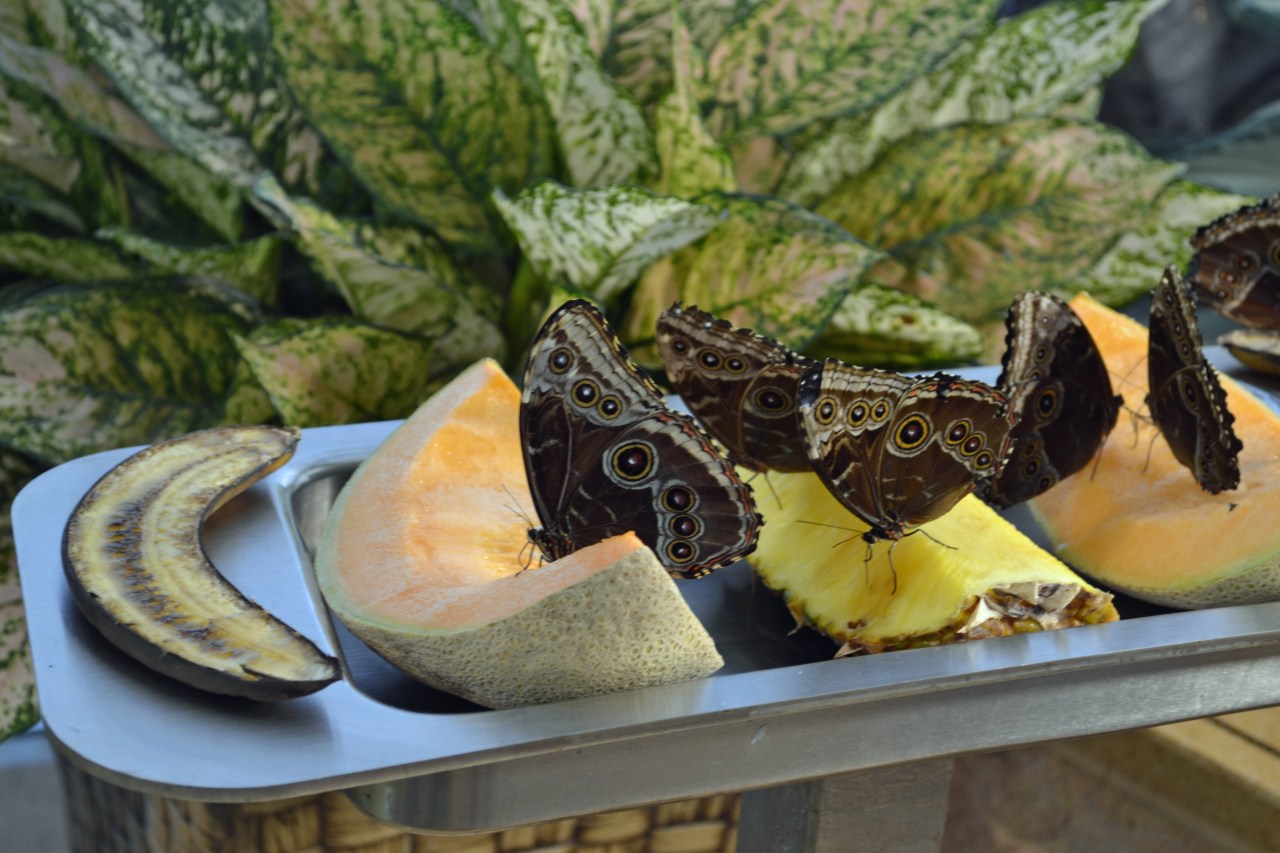
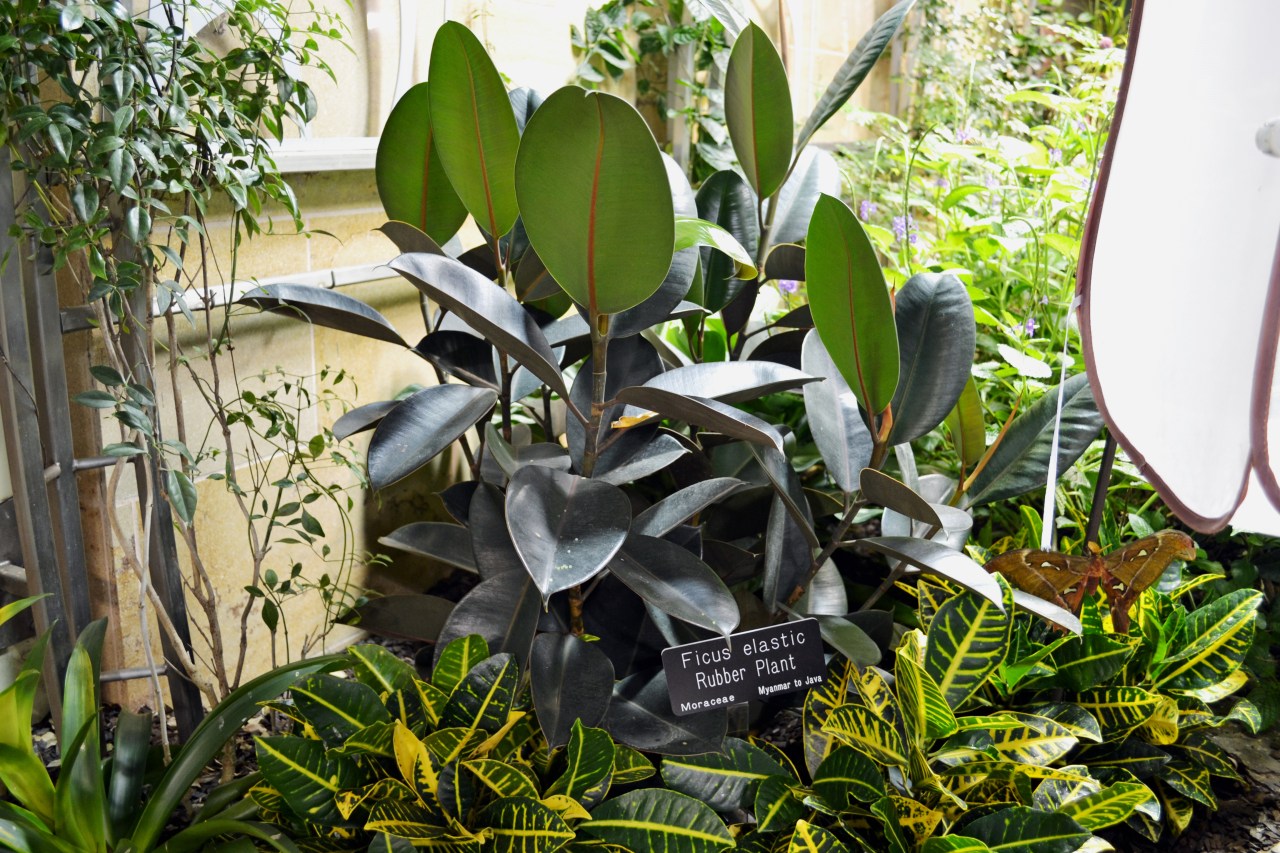
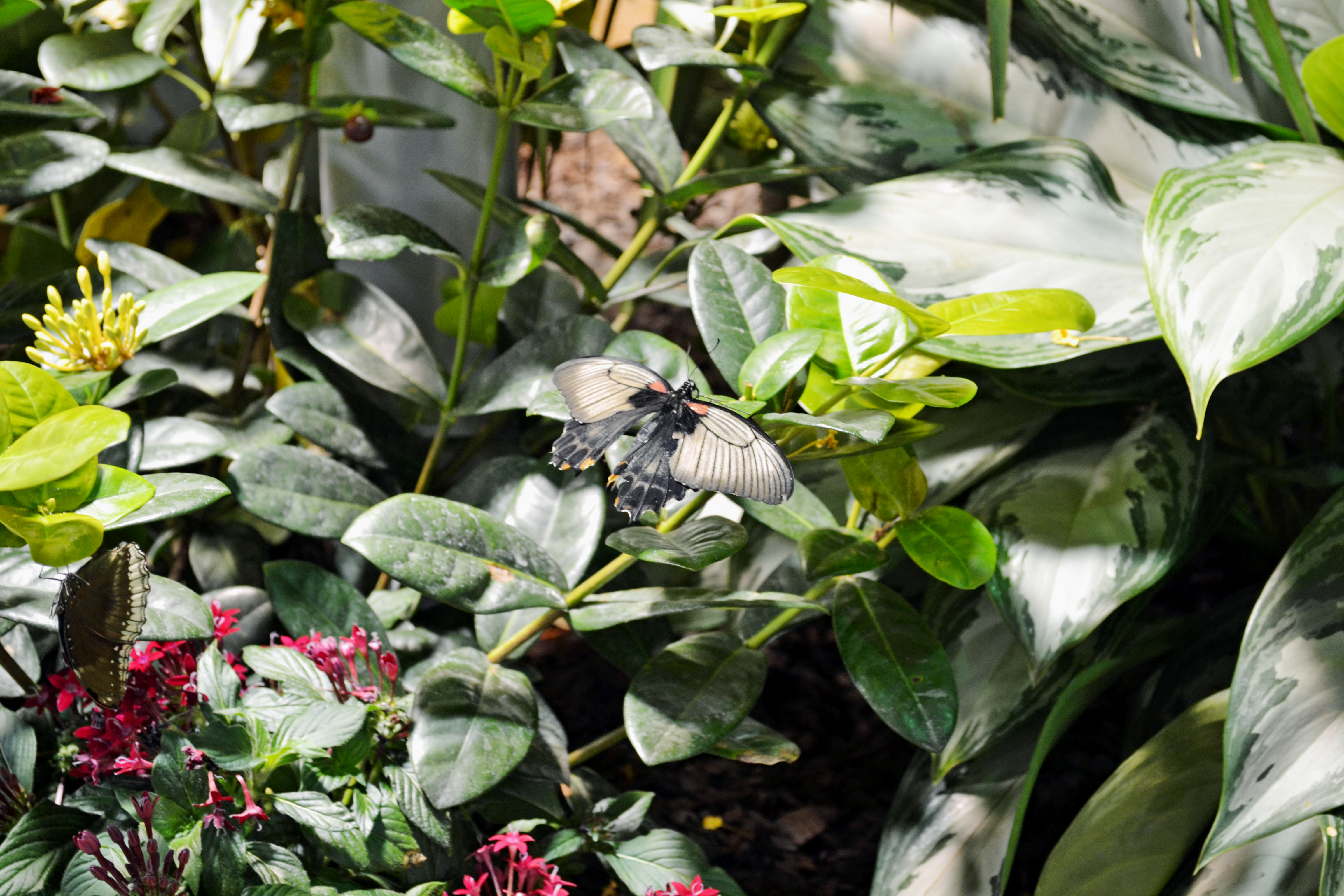
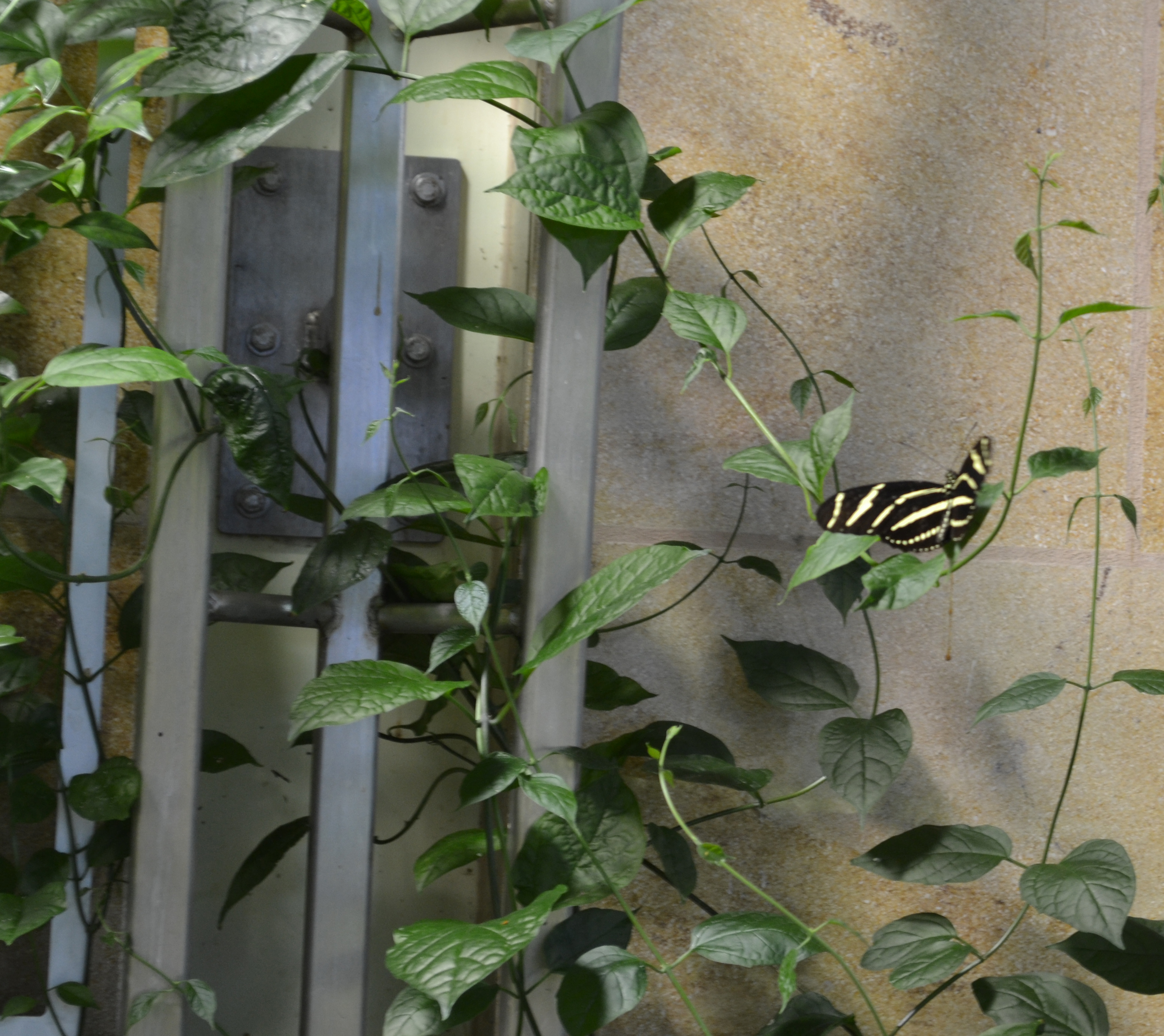
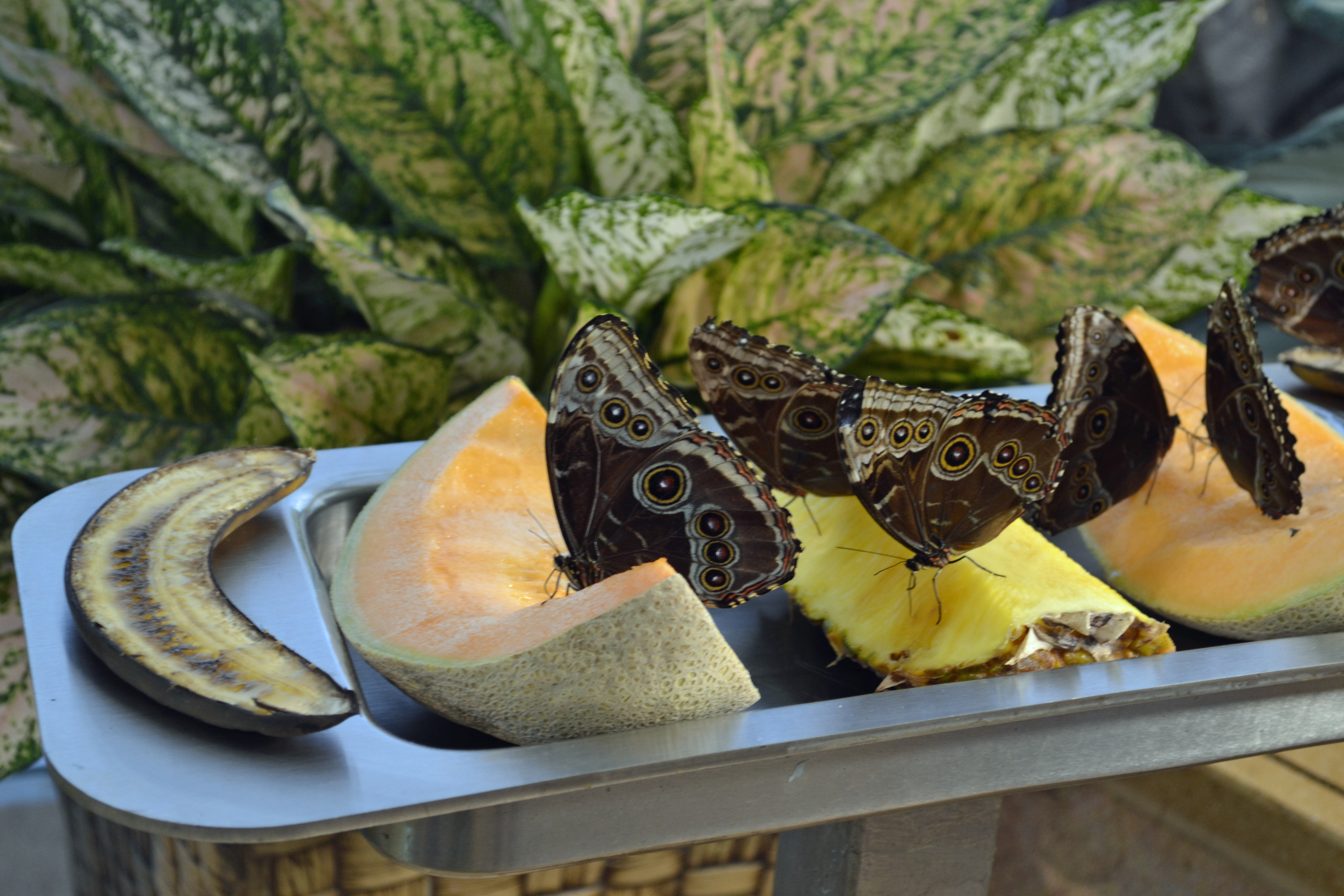
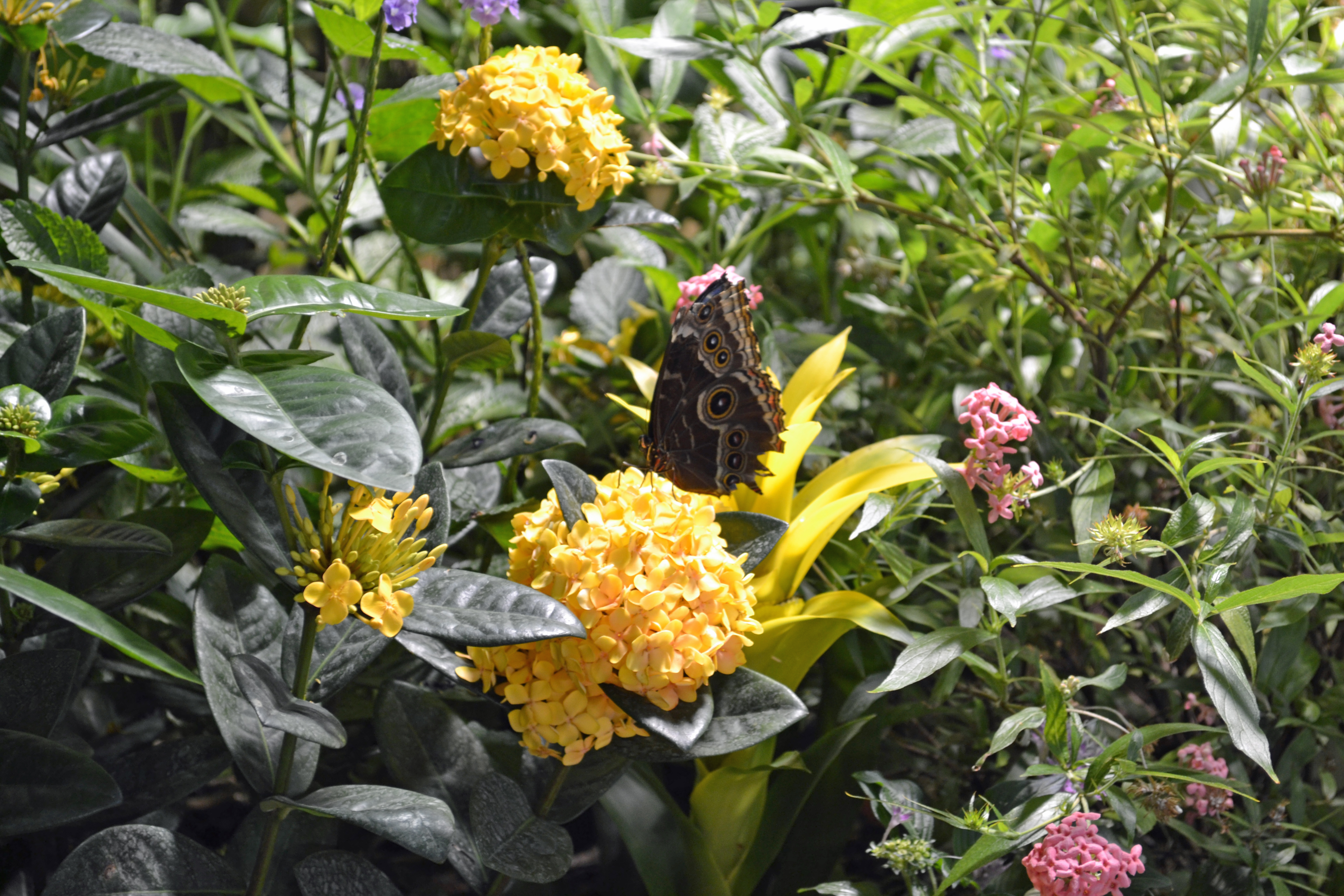
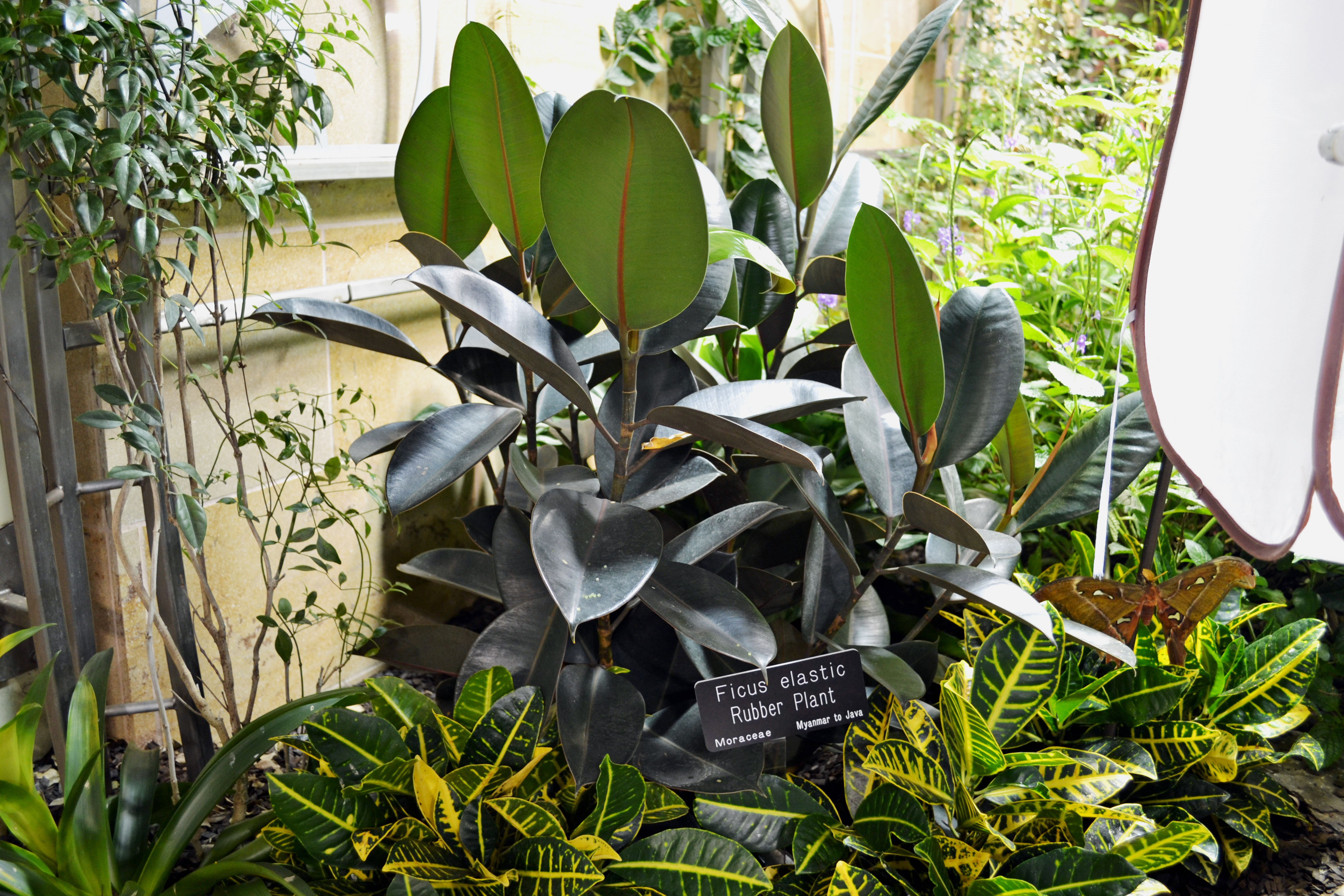
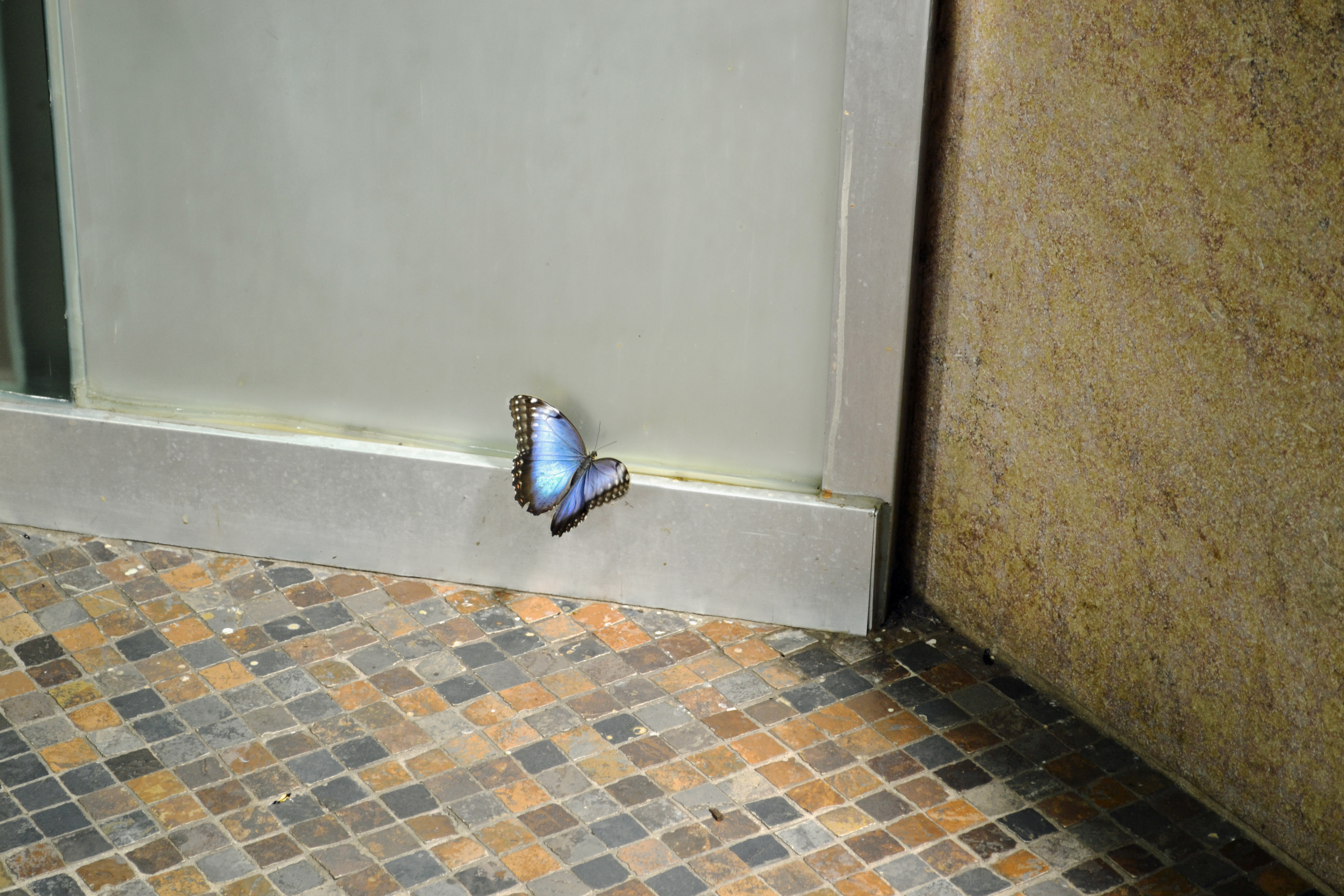
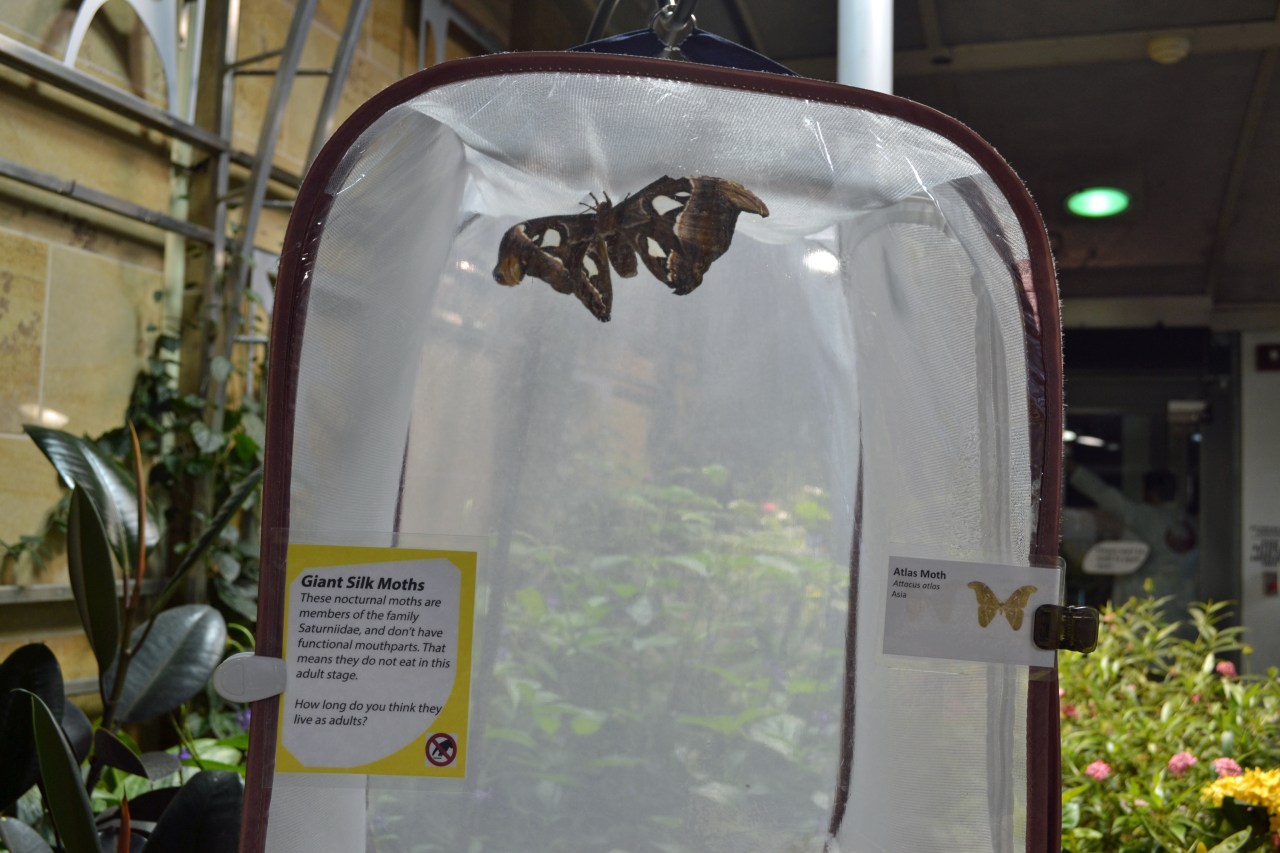
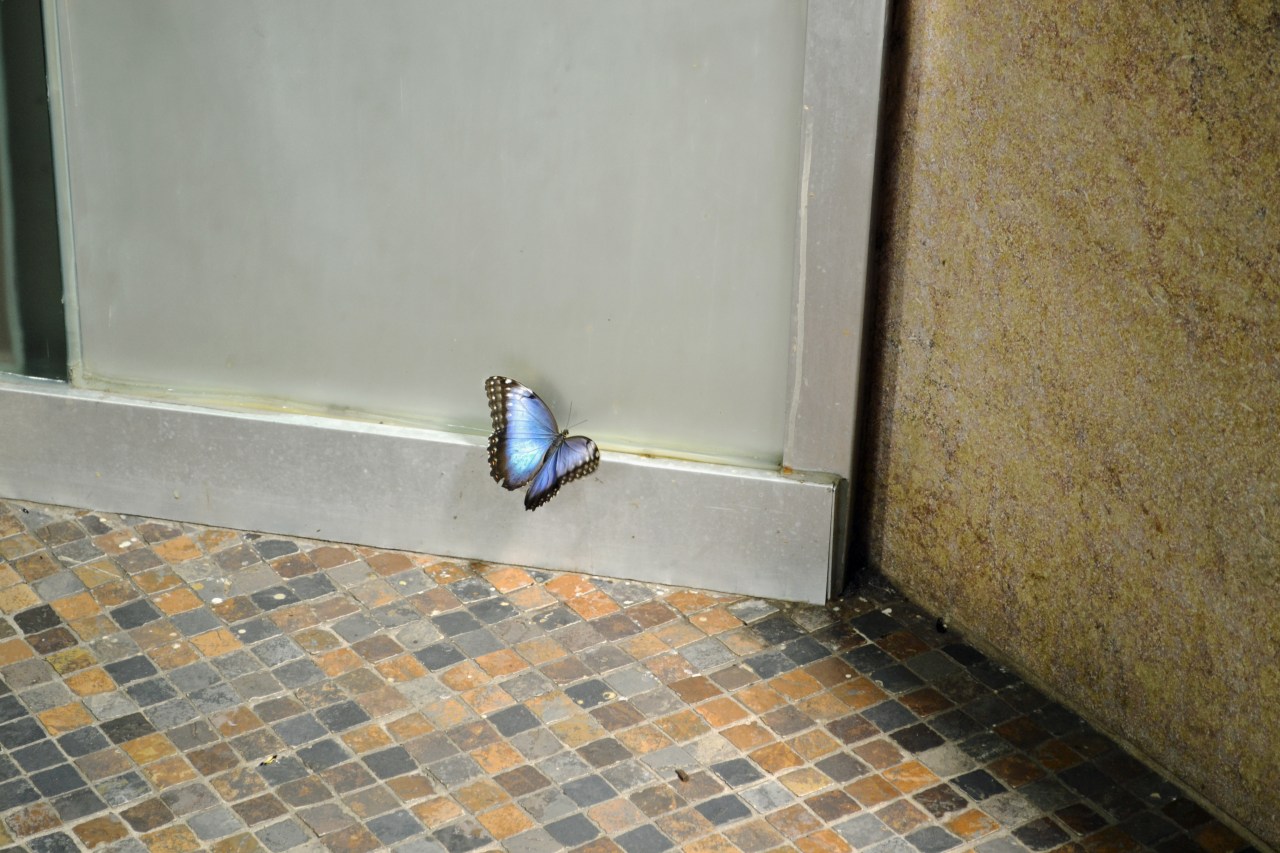
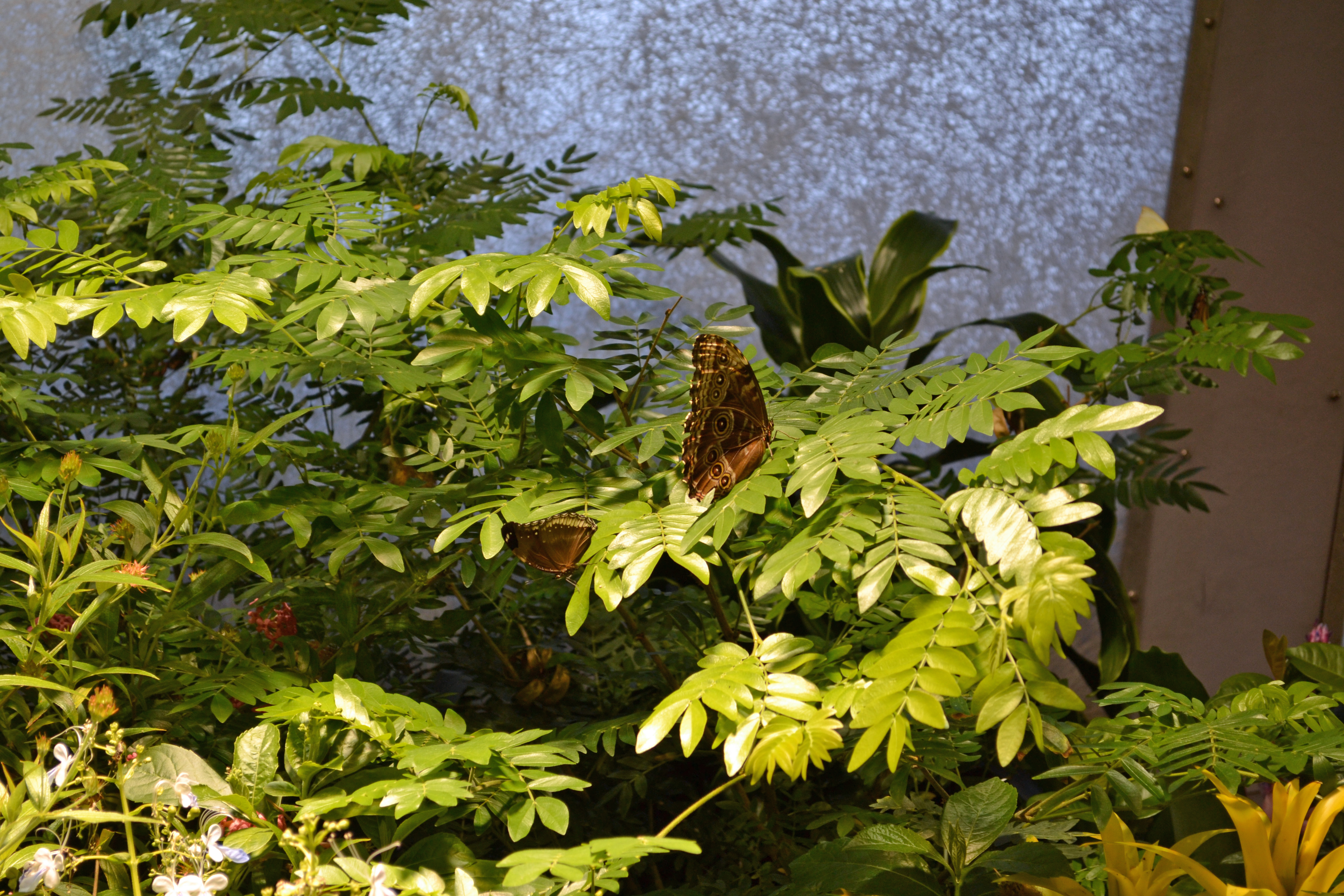
One of our favorite exhibits was the butterfly room. I had seen this on Instagram and wanted the children to see it also. It did cost $6 per person for entry, but it was worth it. All of us except Terry went through it. I captured some lovely photos of the butterflies, but you may have to look closely to see them in some of the pictures.
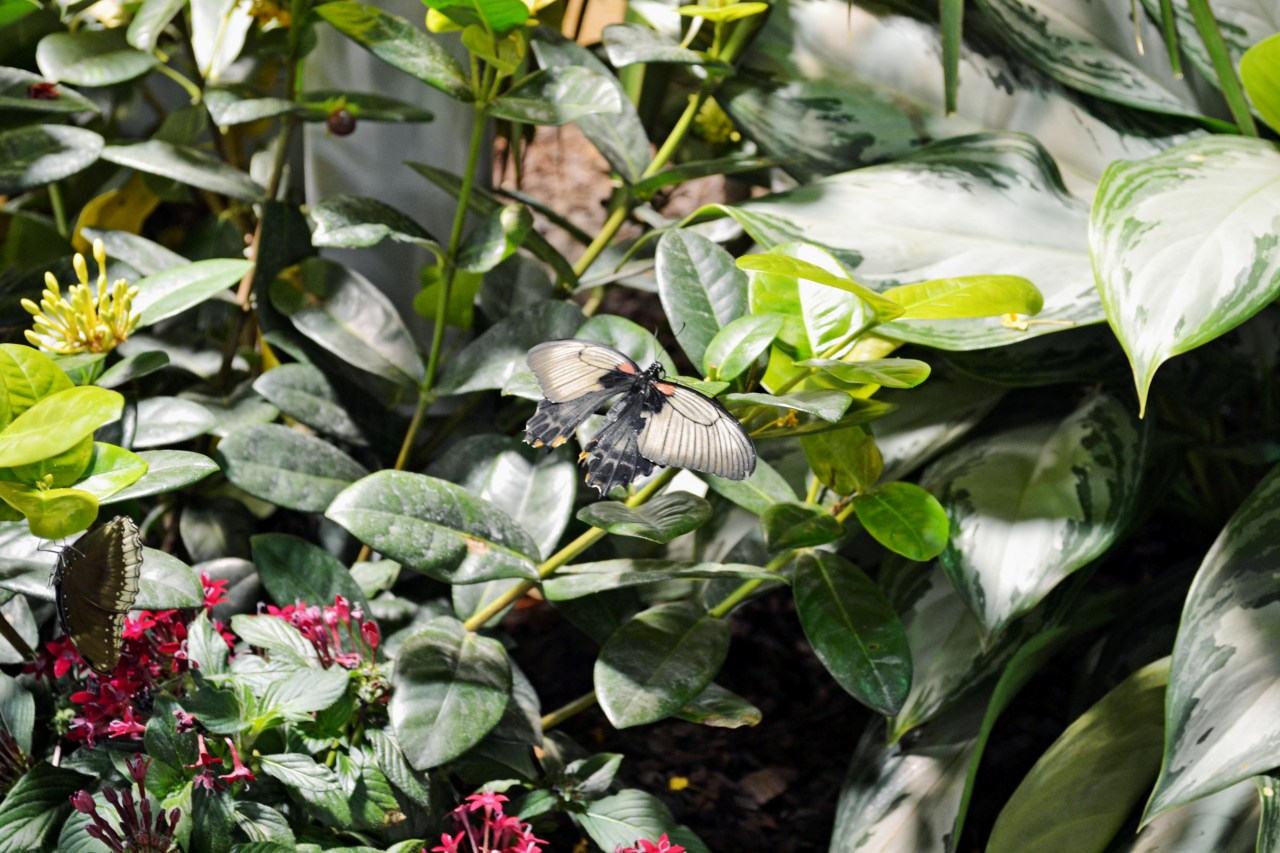

We tried to stand still so that they might land on us, but Leslie was the only one who accomplished this. I love this photo of her!
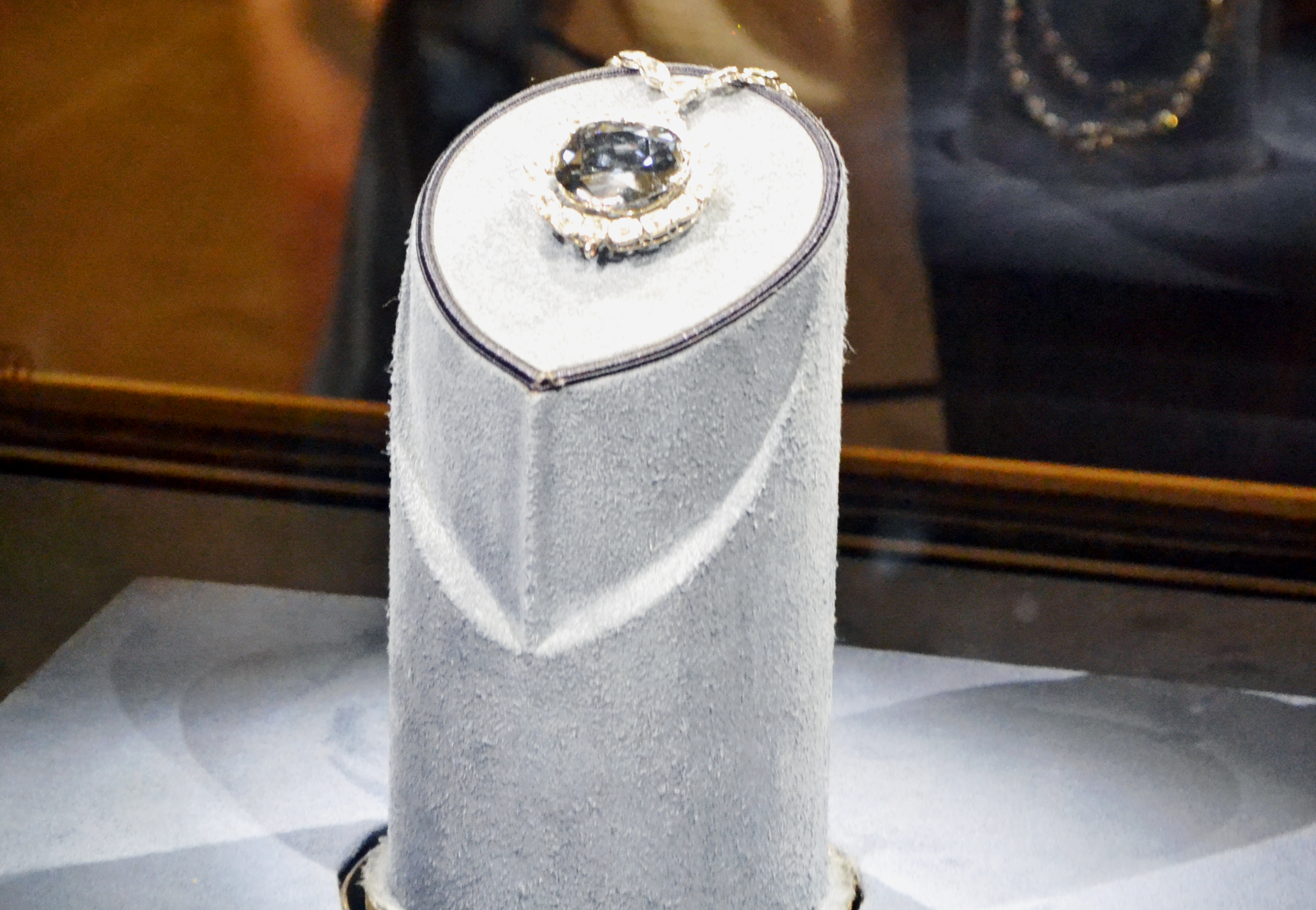
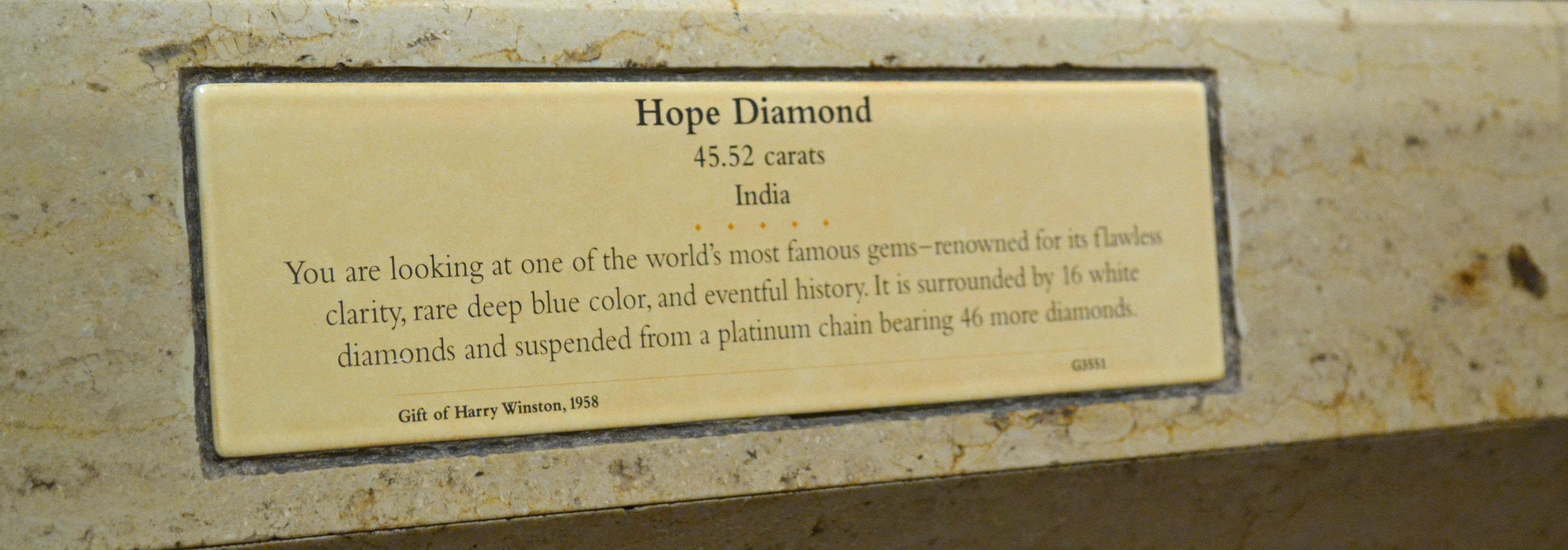
One thing I had to see was the famous Hope Diamond! It is on a display that turns 360 degrees slowly. This is the best photo I could get:
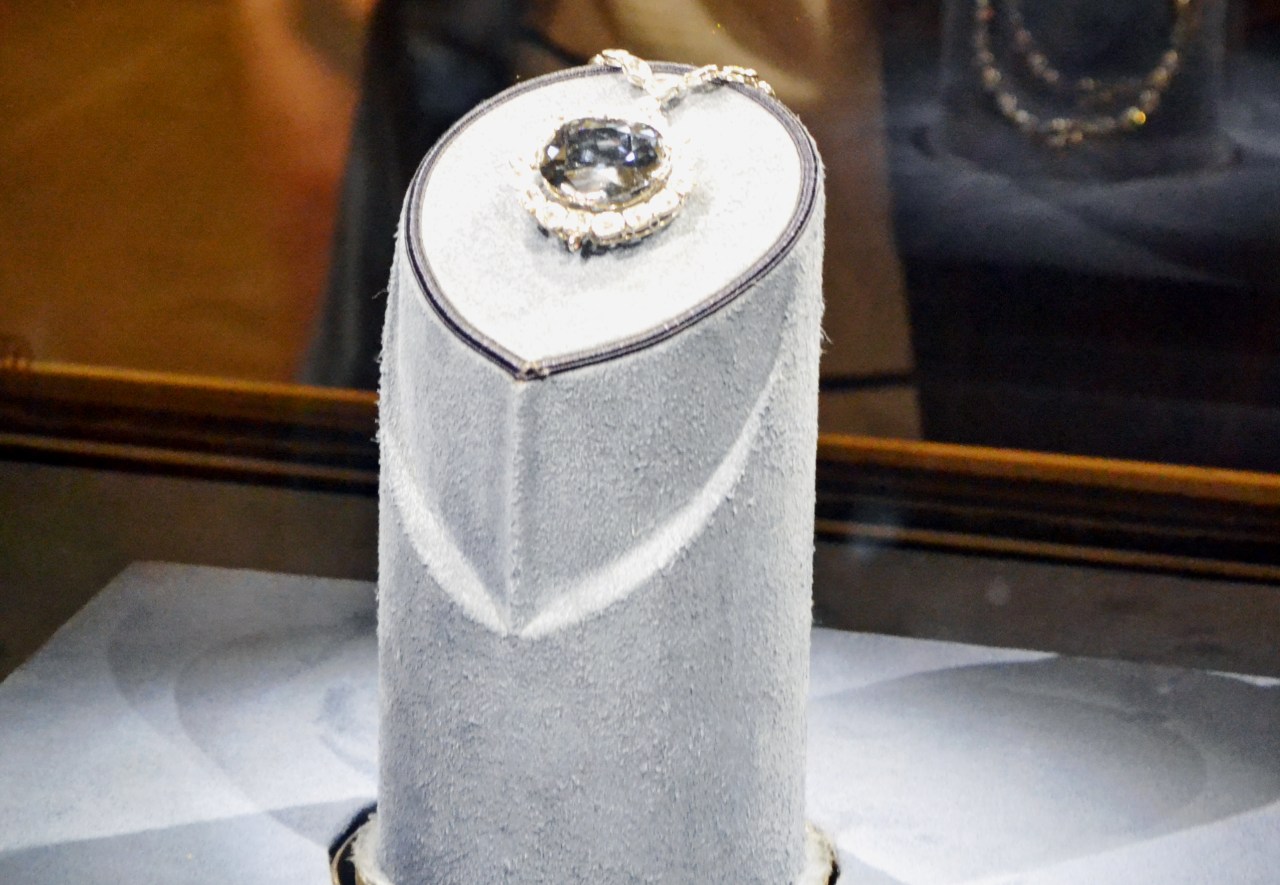
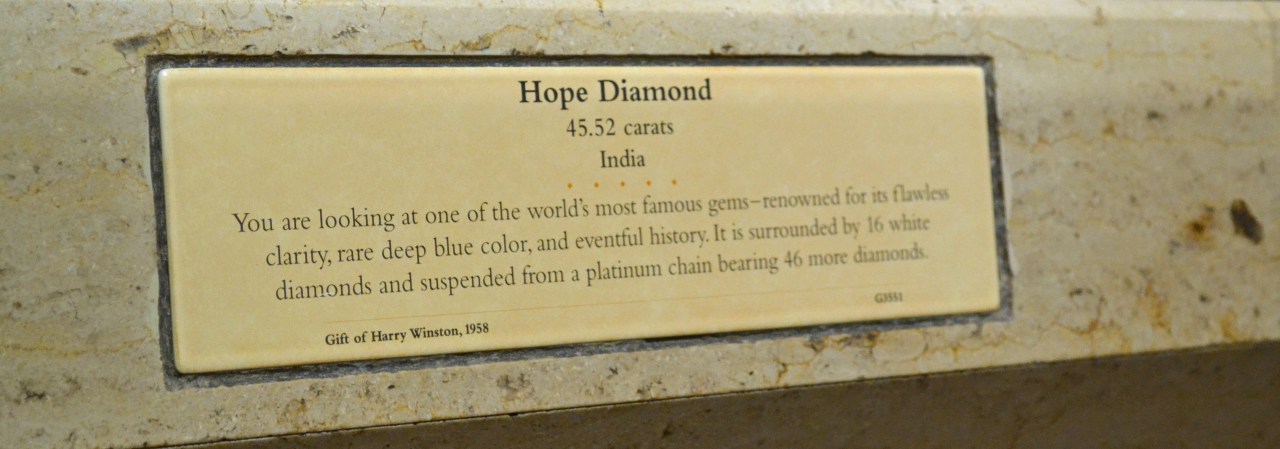
It was a thrilling day at the Natural History Museum. The children had to save up their own money for souvenirs. Matthew got this cute hat for only $6, which, in the souvenir world, is pretty cheap!

Thank you for traveling along with me. See you soon!

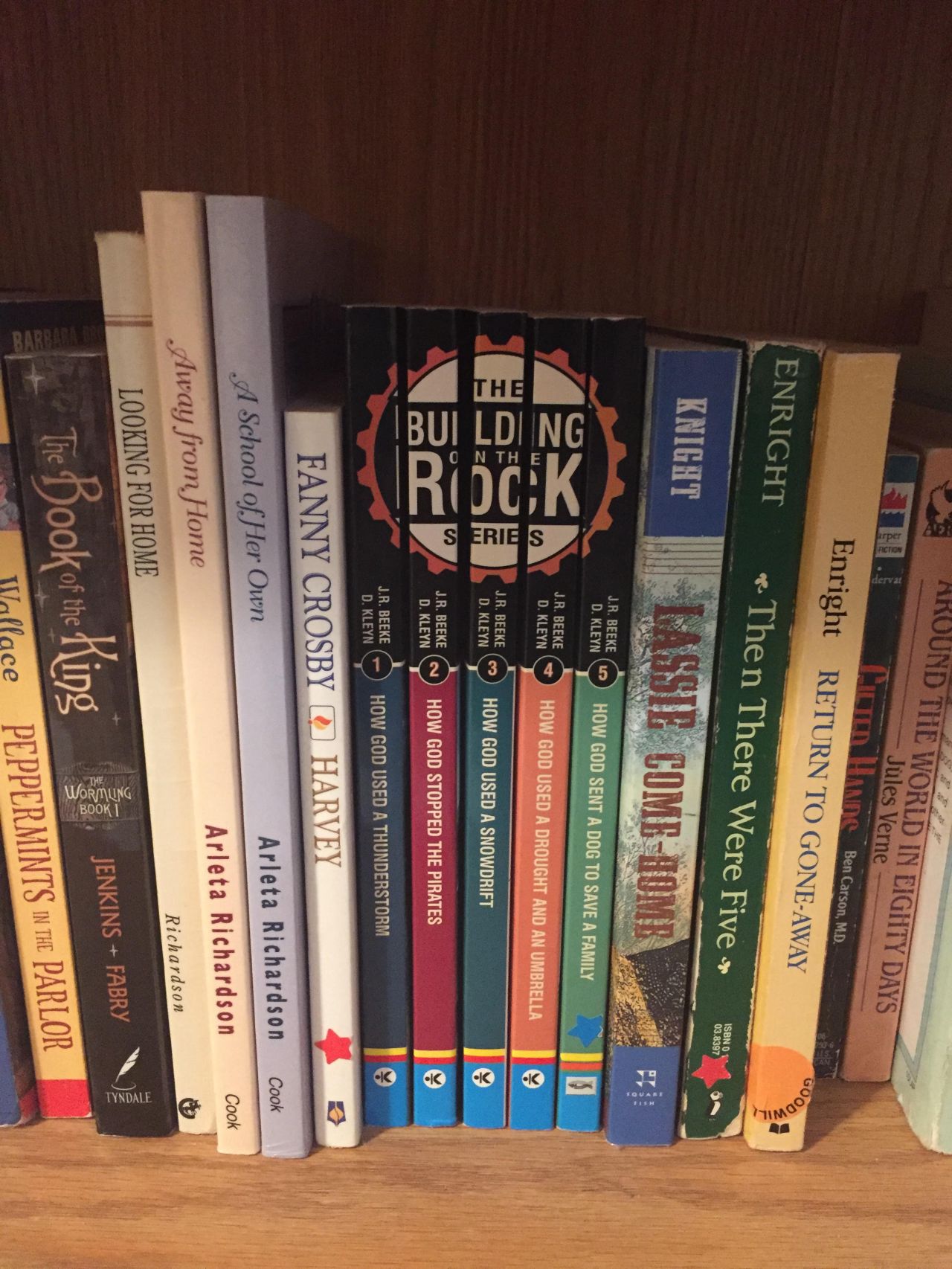
This week’s book review is actually a books review – plural. I would like to tell you about The Building on the Rock Series of devotionals by Joel Beeke and Diana Kleyn. They are, in order:

  1. How God Used a Thunderstorm
  2. How God Stopped the Pirates
  3. How God Used a Snowdrift
  4. How God Used a Drought and an Umbrella
  5. How God Sent a Dog to Save a Family

I have reviewed one of the books in this series already. You can read that review HERE. This is a devotional series aimed at children, but no less a blessing to any adults who want to read them as well. We were given book five in the series (the last book), so that is where we began. After reading that book, I had to complete the set. I ordered the other four books individually from Amazon. I read them aloud to the children each morning before we began school and many days found me asking for a Kleenex as we finished or in the middle of the story. The thing that makes these stories so impactful is that they are all true.

That’s right! These books contain historically accurate testimonies of Christians down through the ages. For example, there is a story of a child who grew up in a godly home in England, only to turn away from the truths he was taught and live a life of sinful pleasures, to then be broken by the hand of God and drawn by His saving power unto salvation. What might God use to draw Him? The singing from a church building on a Sunday morning as he regains consciousness suffering from a terrible hangover; or perhaps the kindness of a widow who gives him a Bible and encourages him to seek the Lord while there is still time – which was something his mother had told him to do. Perhaps it was a single light in a window in the middle of a blizzard – the saving shelter that a lost man is in need of – and the saving message of the Gospel given to the man by the owners. The stories vary in setting and names, but the one constant thread throughout each book is God and the mighty power of His grace.
The books are beautifully written and each devotional includes a question at the end along with Bible passages to read. We began the series in January of 2016 and finished up in late April of 2017. We read them about four days of the week during the school year only. Some stories were longer than others, so I was able to read those over two days. I was sad to come to the end of this great series. I may just start over next year and read them all over again to the children. That’s why I think books make such great companions! When you come to the end, you can just turn back to page one and enjoy it a second (or fifth) time.

The message in each story is clear: No sin is too great that it cannot be forgiven, no sinner is too far away to be reached, and the only hope of salvation is Christ alone.

This week’s term: Hermeneutics – The science of interpretation. In theology, it is the principles or laws of the science of interpretation of the Bible, especially the study of the principles of Biblical exegesis. 

Last week’s term: Kerugmatology – As far as I know, this is a word of my own [Forrest L. Keener’s] origin: Greek Kerugma (preaching) -ology (study). Therefore, the science or study of preaching.

After our tour of the United States Capitol, we headed over to see the Smithsonian Museum of American History. It has an amazing collection of both historical and pop culture items. If you can only see one Smithsonian museum on your visit to D.C., this is the one I would recommend, although they are all unique and wonderful in their own ways. We all split up to see various parts of the museum, so my photos only have a few of the kids in them.

Here are a few of our favorite things from the Museum of American History:


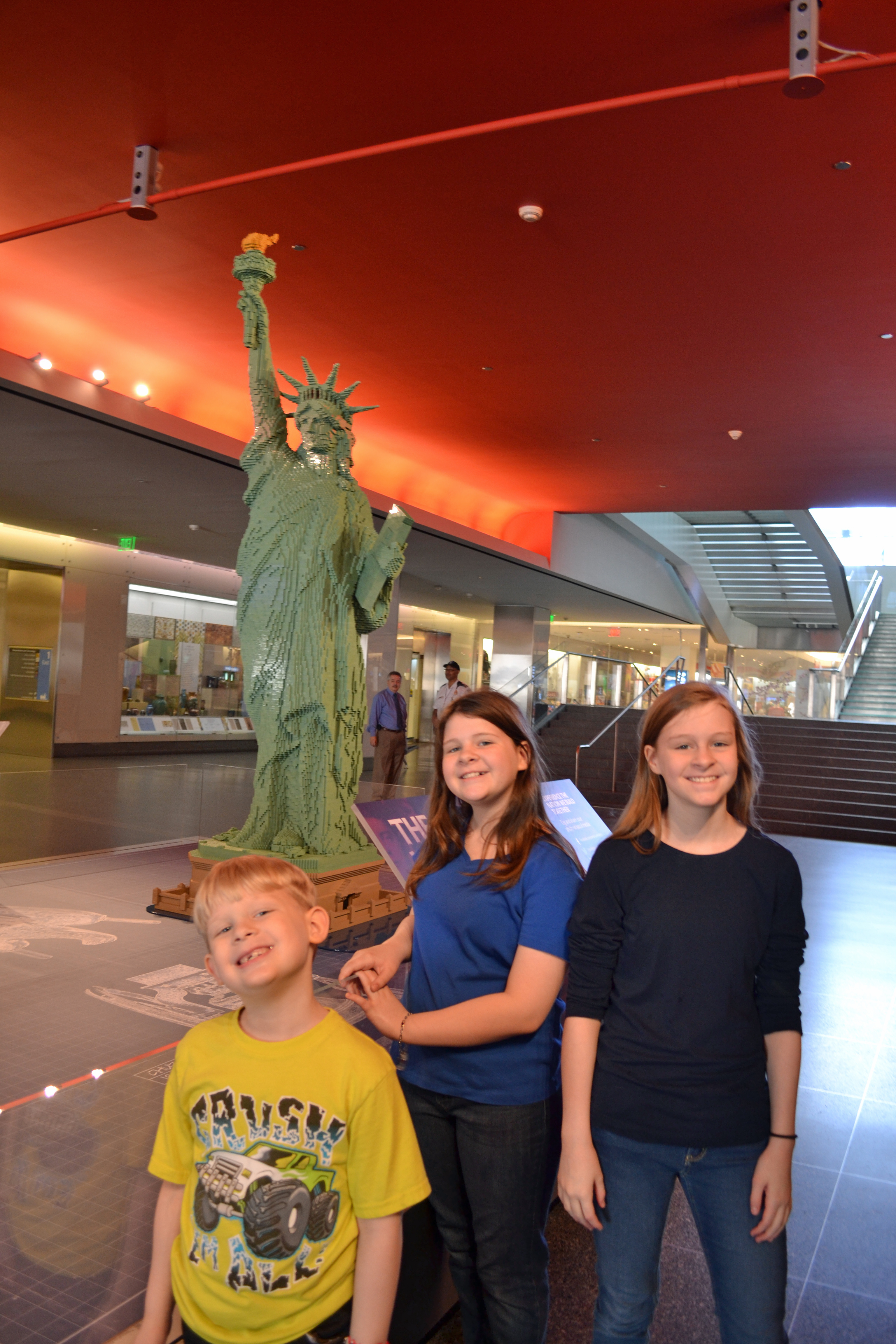
As you enter, you get to see this amazing Statue of Liberty built completely out of Legos!

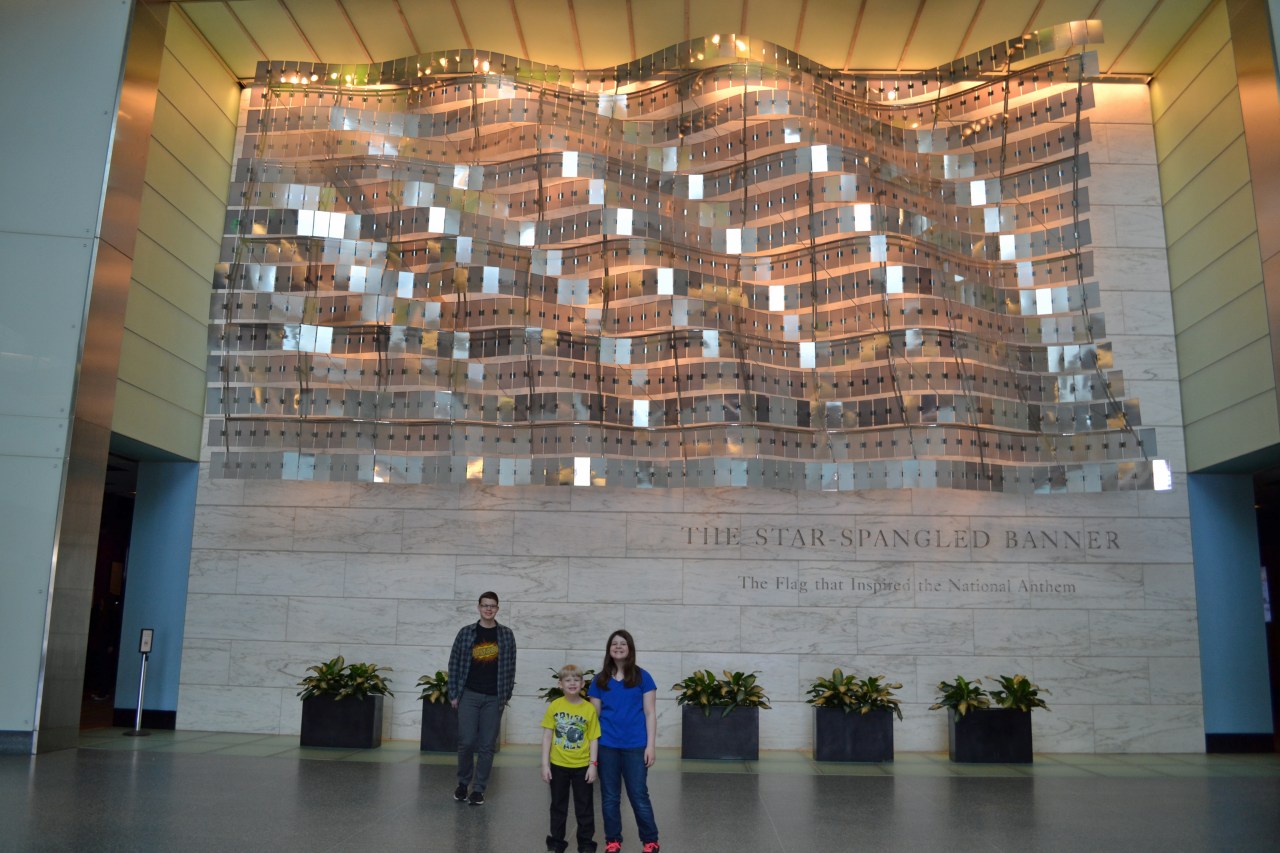
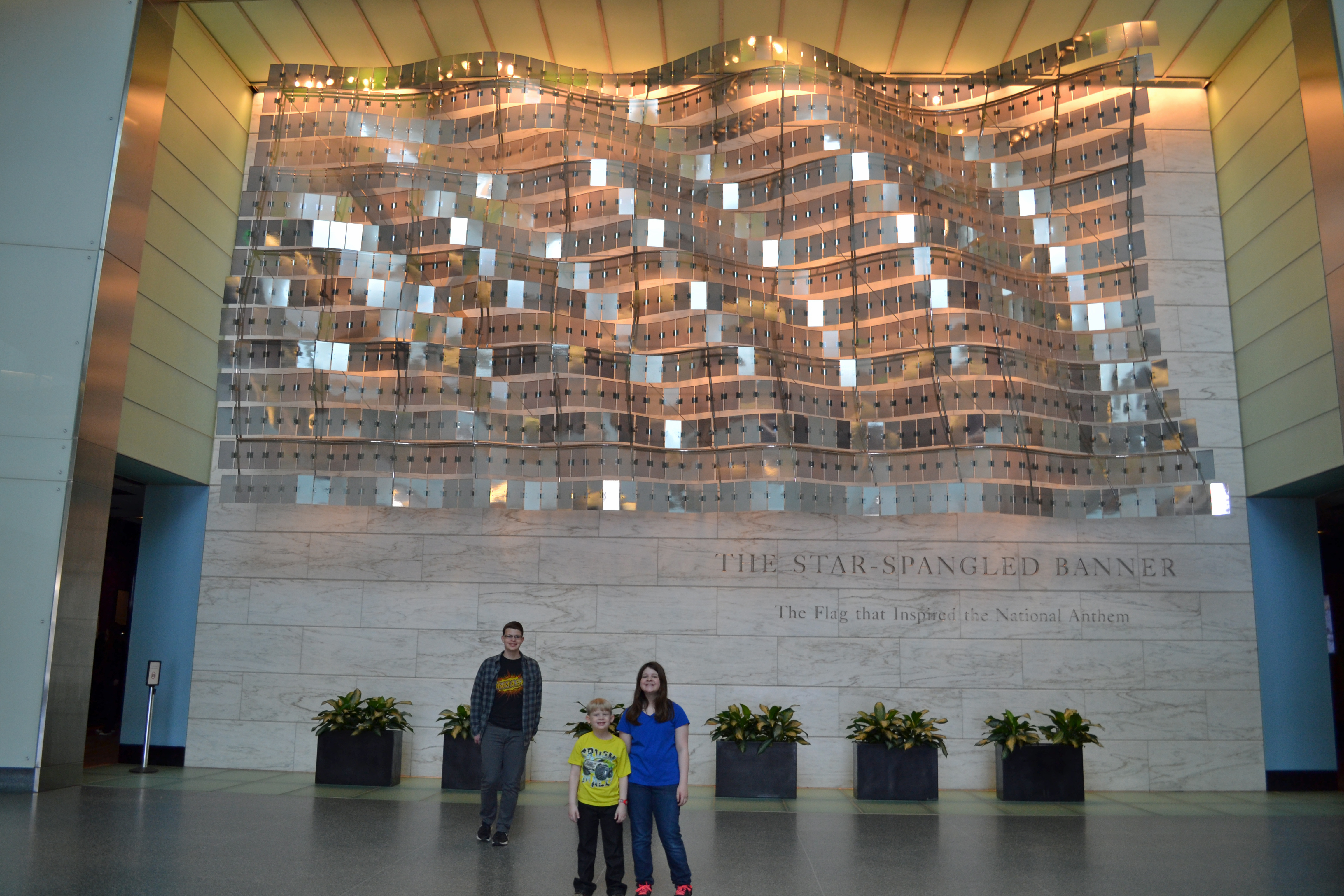
This is as close as your camera can get to the actual Star-Spangled Banner today. The flag that inspired Francis Scott Key is now in a separate room, displayed under very dim lighting to prevent further decay. Photos of artifacts are allowed as long as you do not use a flash, but they do not allow any photos of this iconic flag.

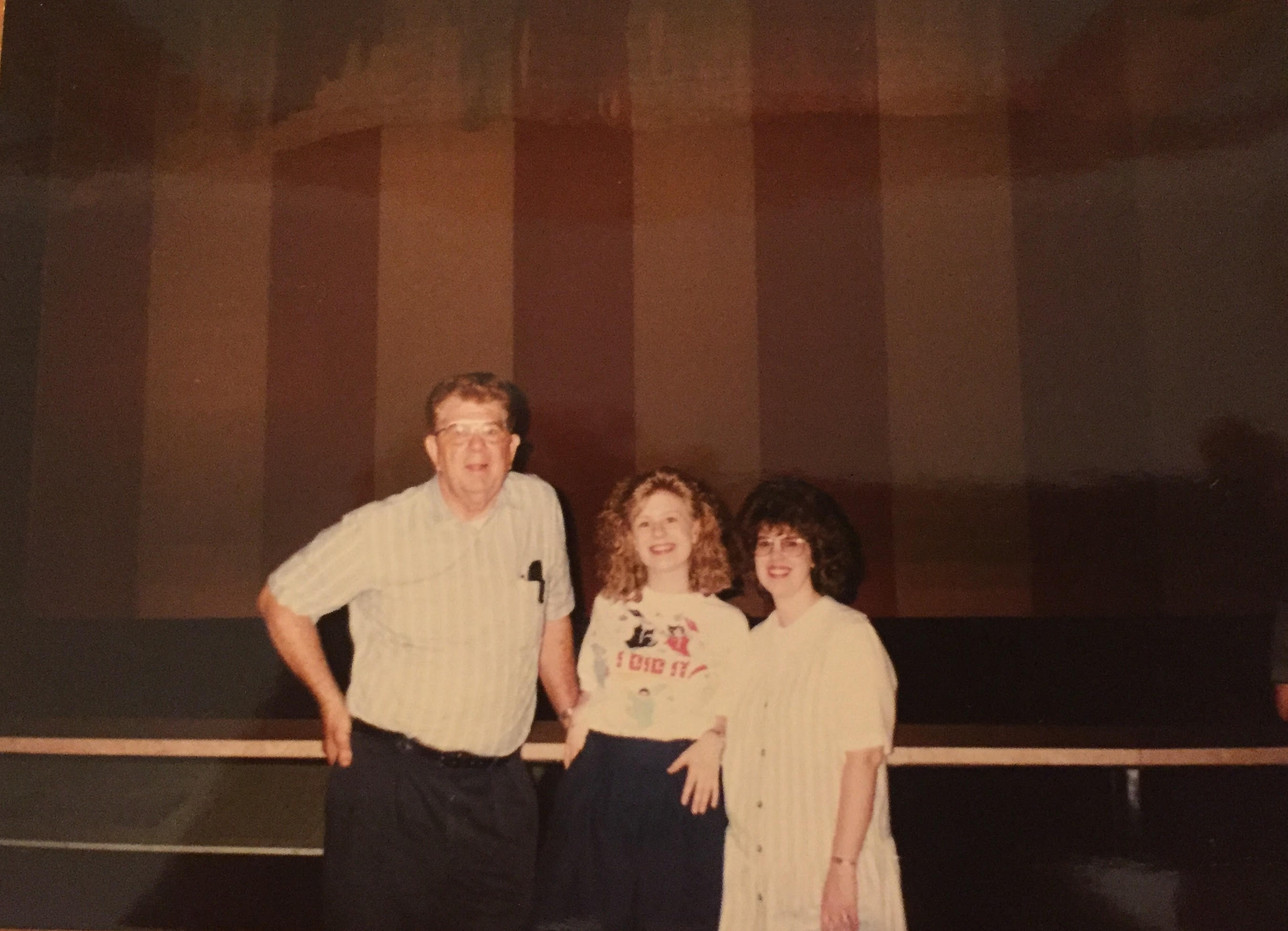
Fortunately for me, when I went to D.C. as a senior in high school, I was able to get a picture of the actual flag! It was hanging right out in the open air back then.

Dad, me, and my sister, Melanie, in front of the Star-Spangled Banner in 1996. It was too large to get the whole thing and show us, too! It’s an awe-inspiring vision. I’m so grateful for these “broad stripes and white stars” and what they represent. It was interesting to read that when this flag was sewn by Mary Pickersgill, it had to be moved from her parlor to a larger building because it was bigger than her house!

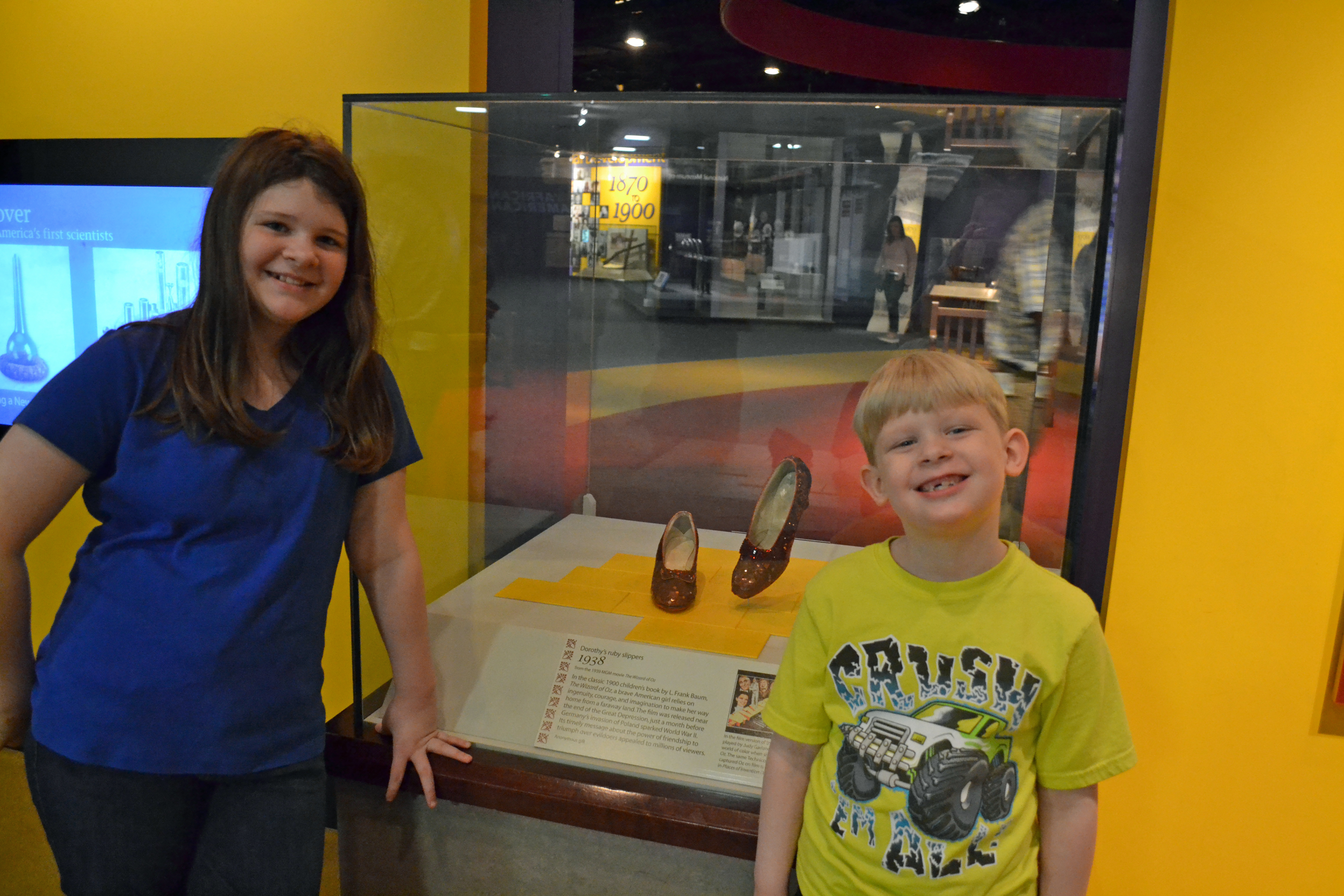
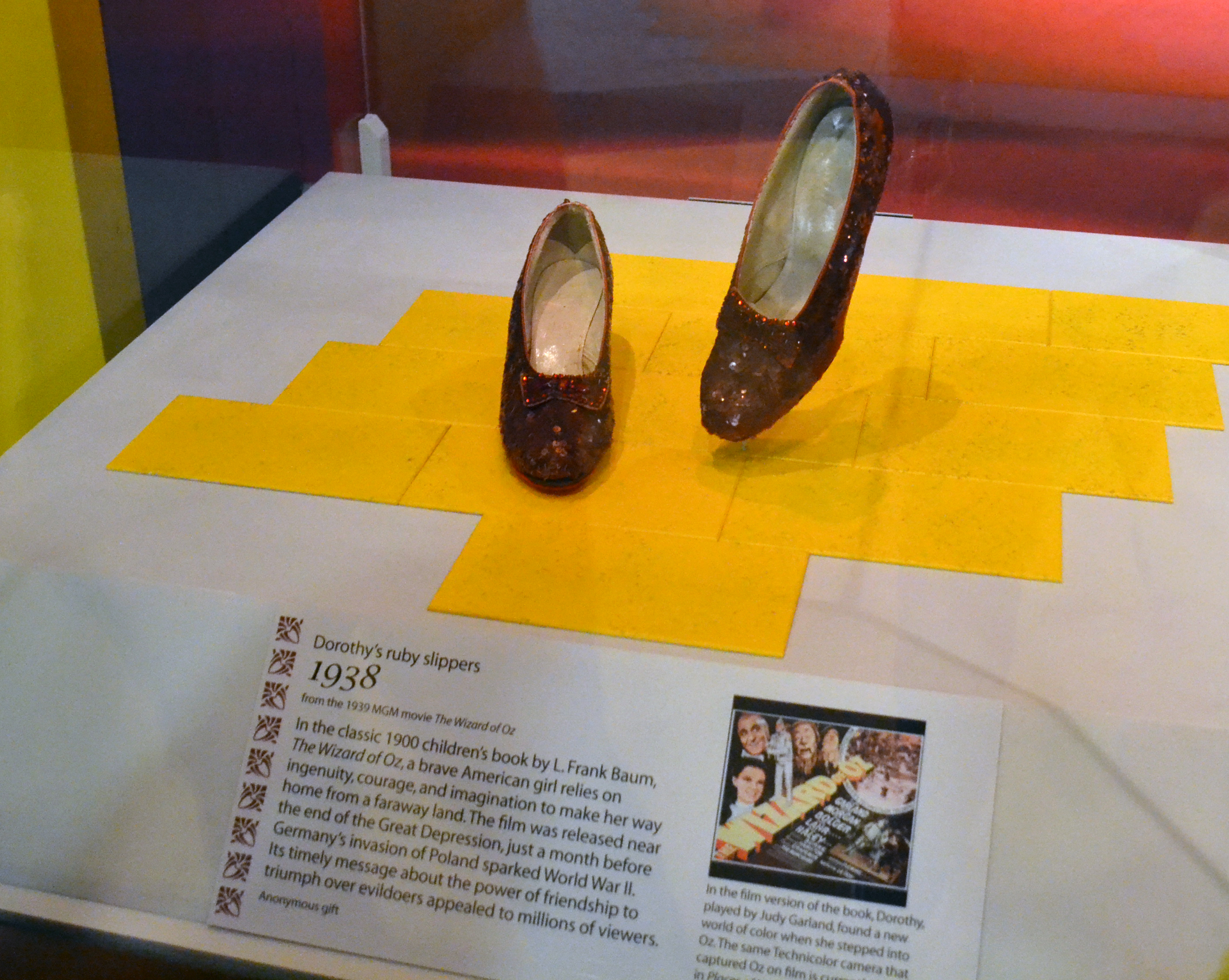
It was fun to see Dorothy’s ruby slippers from the Wizard of Oz!

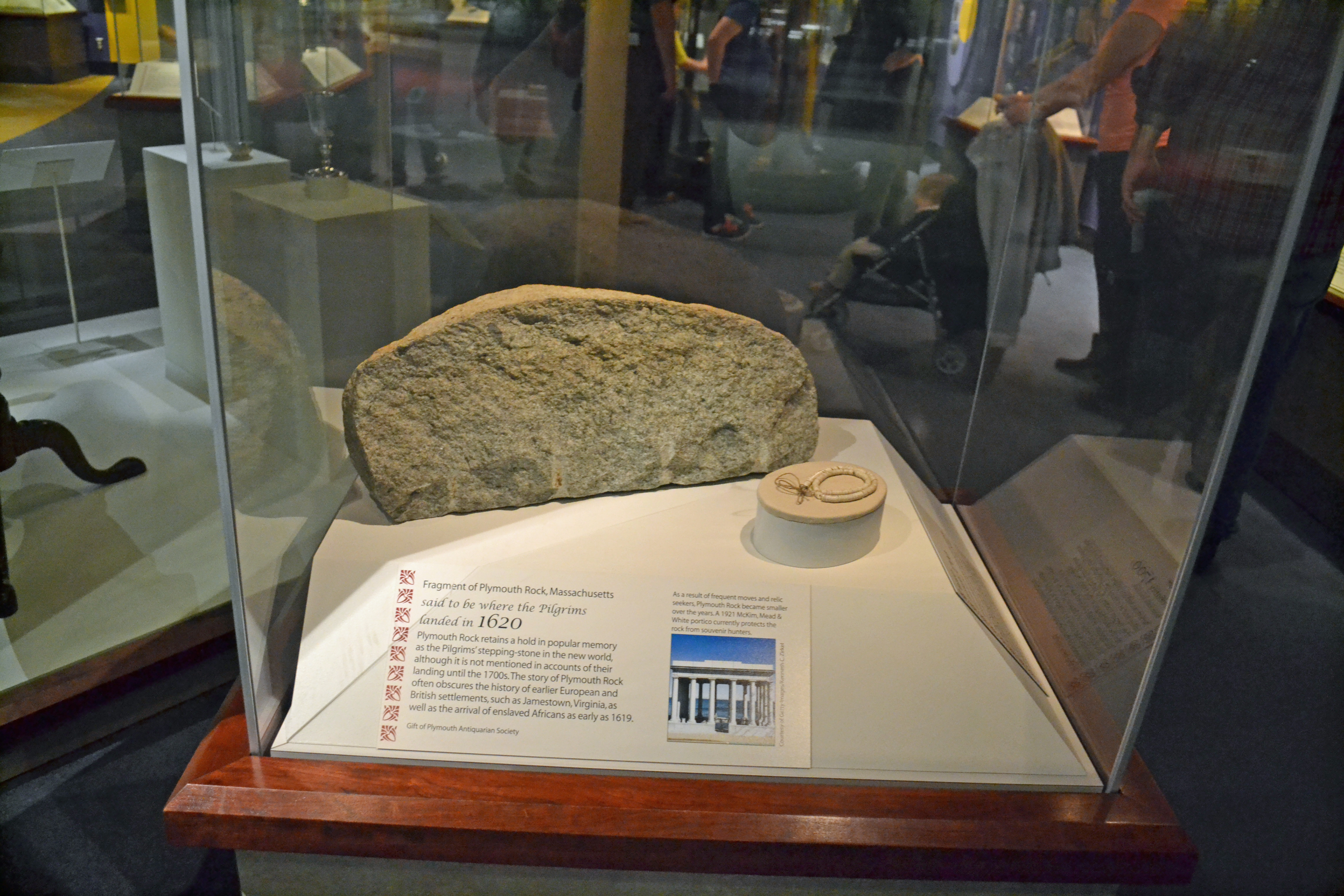
A portion of Plymouth Rock, where the Pilgrims landed in 1620.

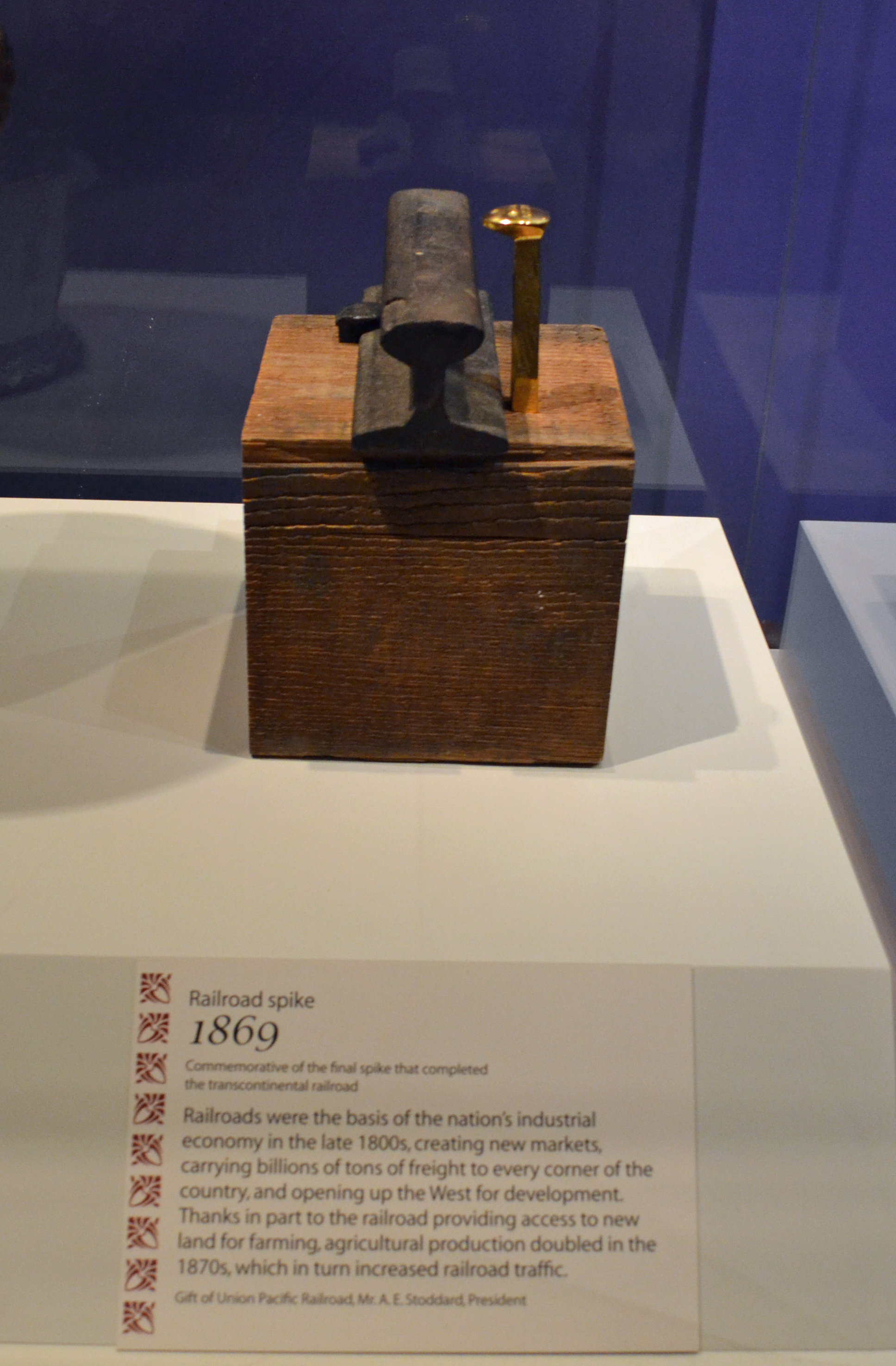
Commemorative spike of the completion of the transcontinental railroad. They hammered several of these in at Promontory Point, UT, for photos, and then removed them.

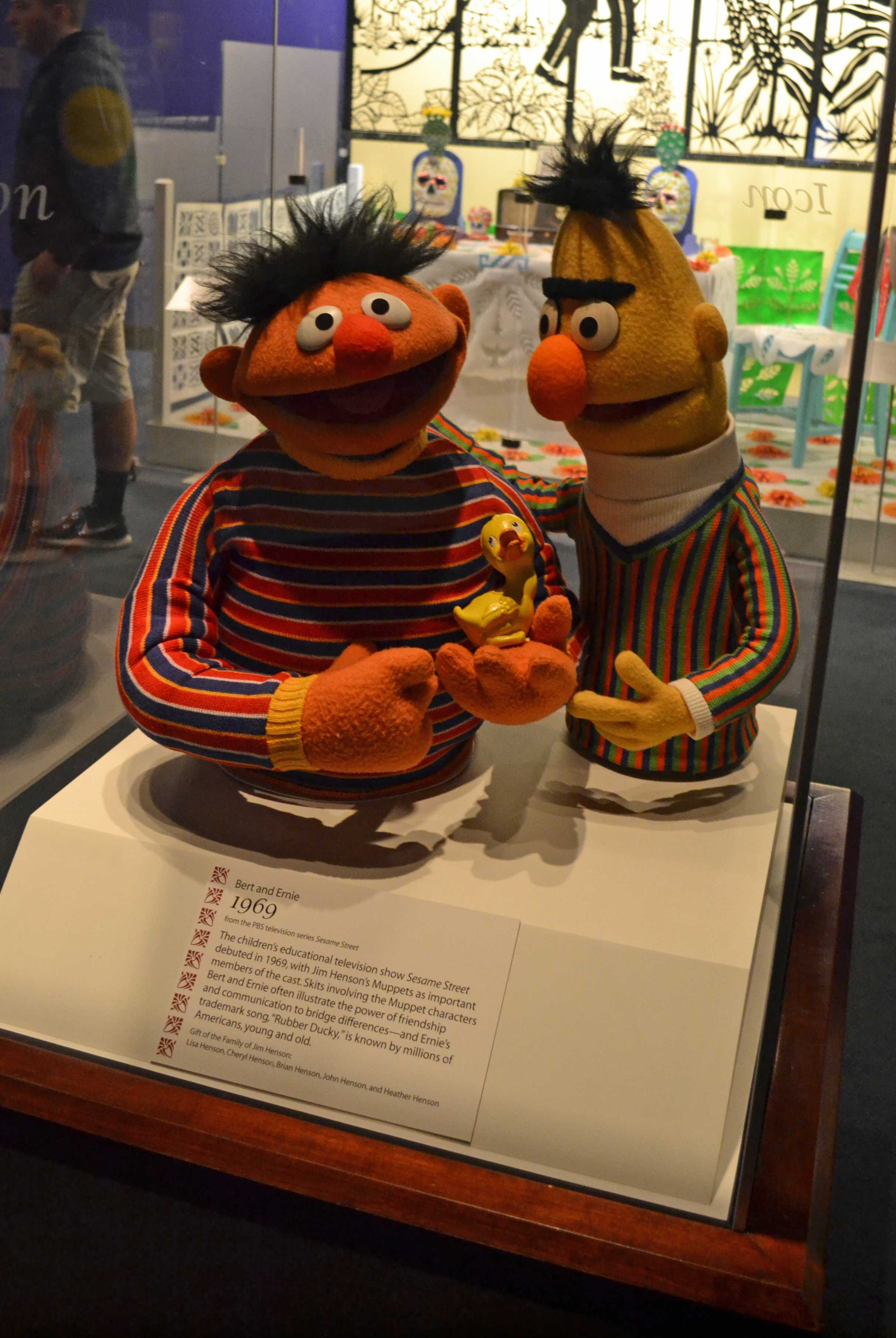
Bert and Ernie from Sesame Street. *Sigh* I feel they are old friends.

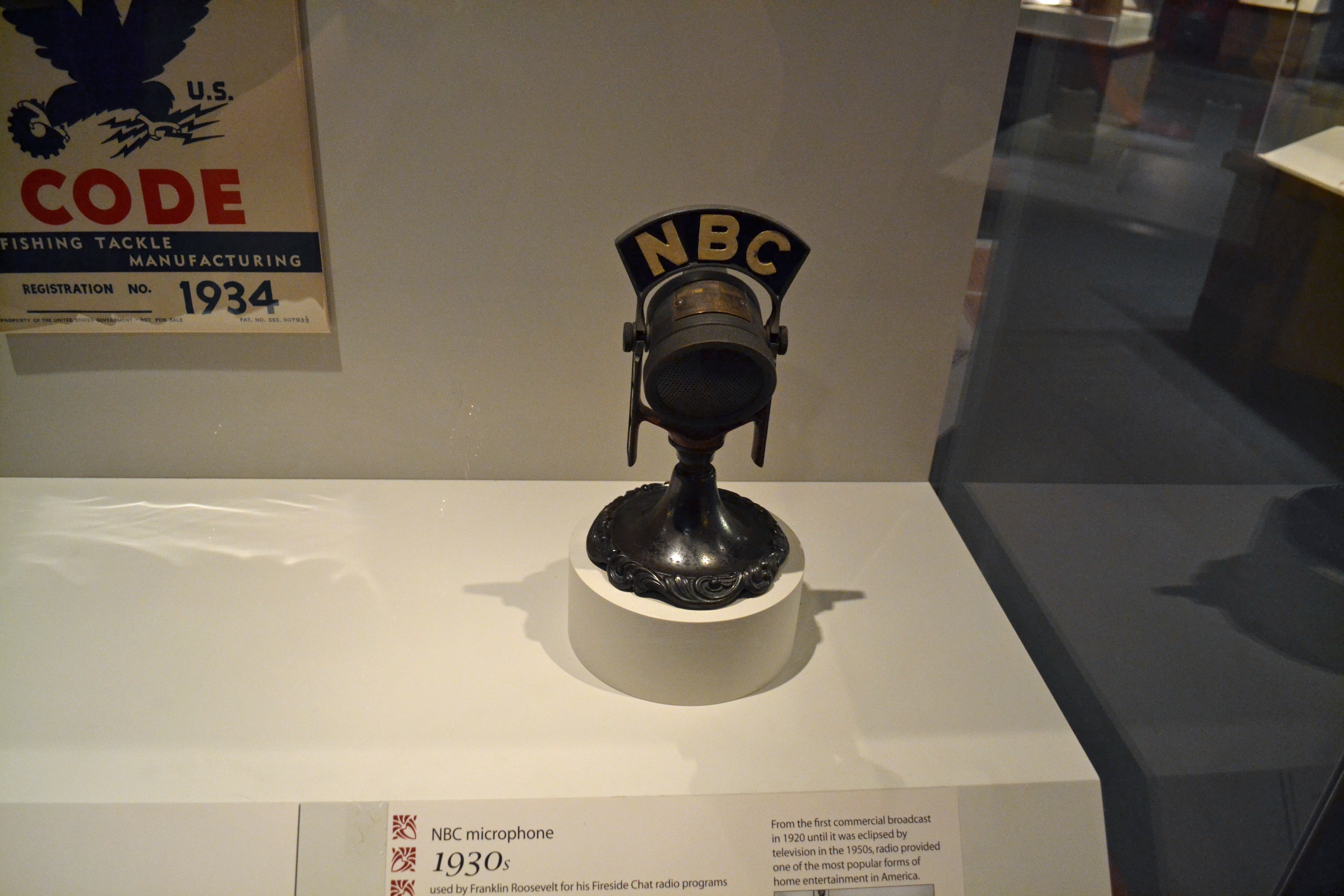
The mic used by FDR for his famous fireside chat radio broadcasts.

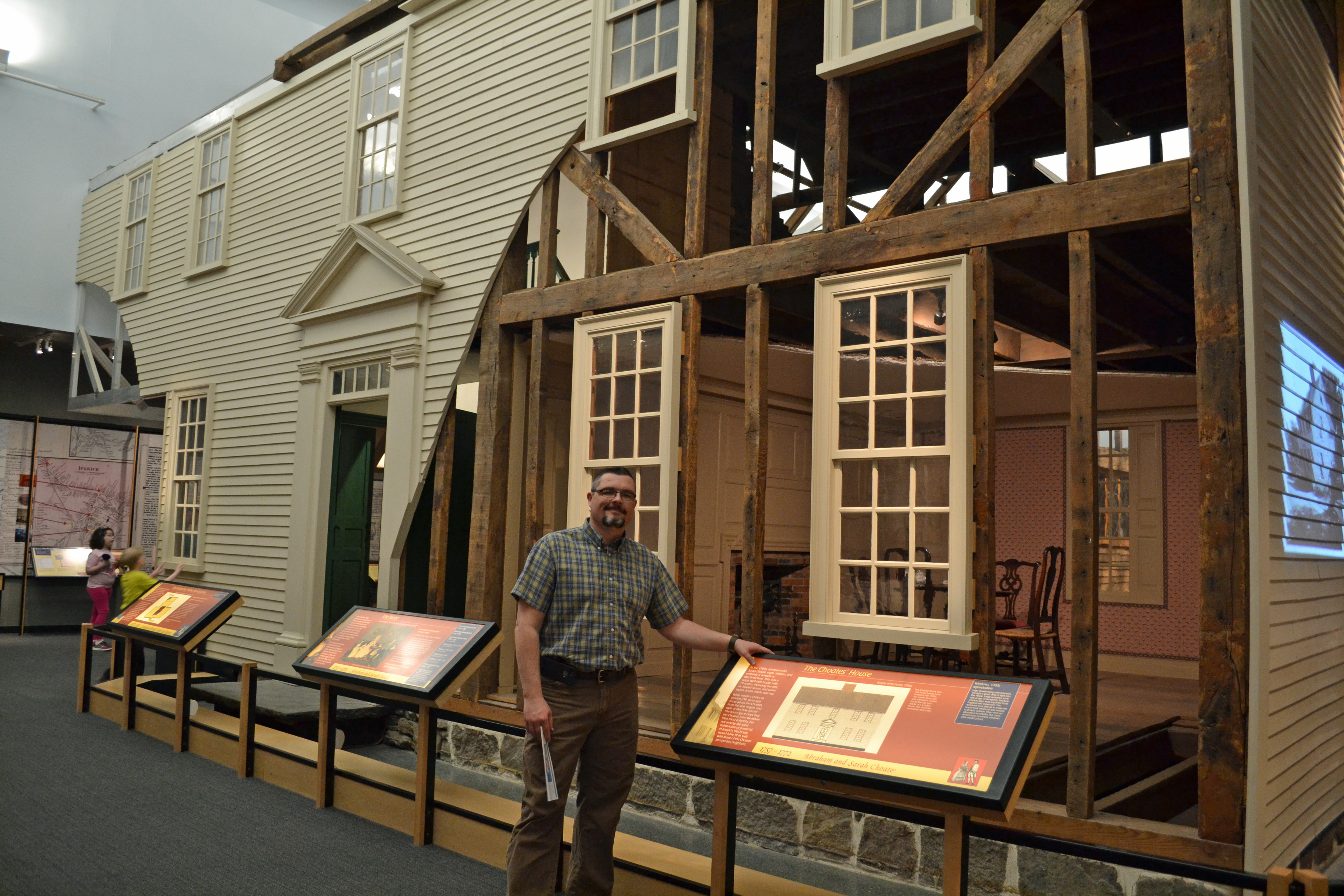
They have a giant house in the museum, showing various features of homes throughout the centuries.

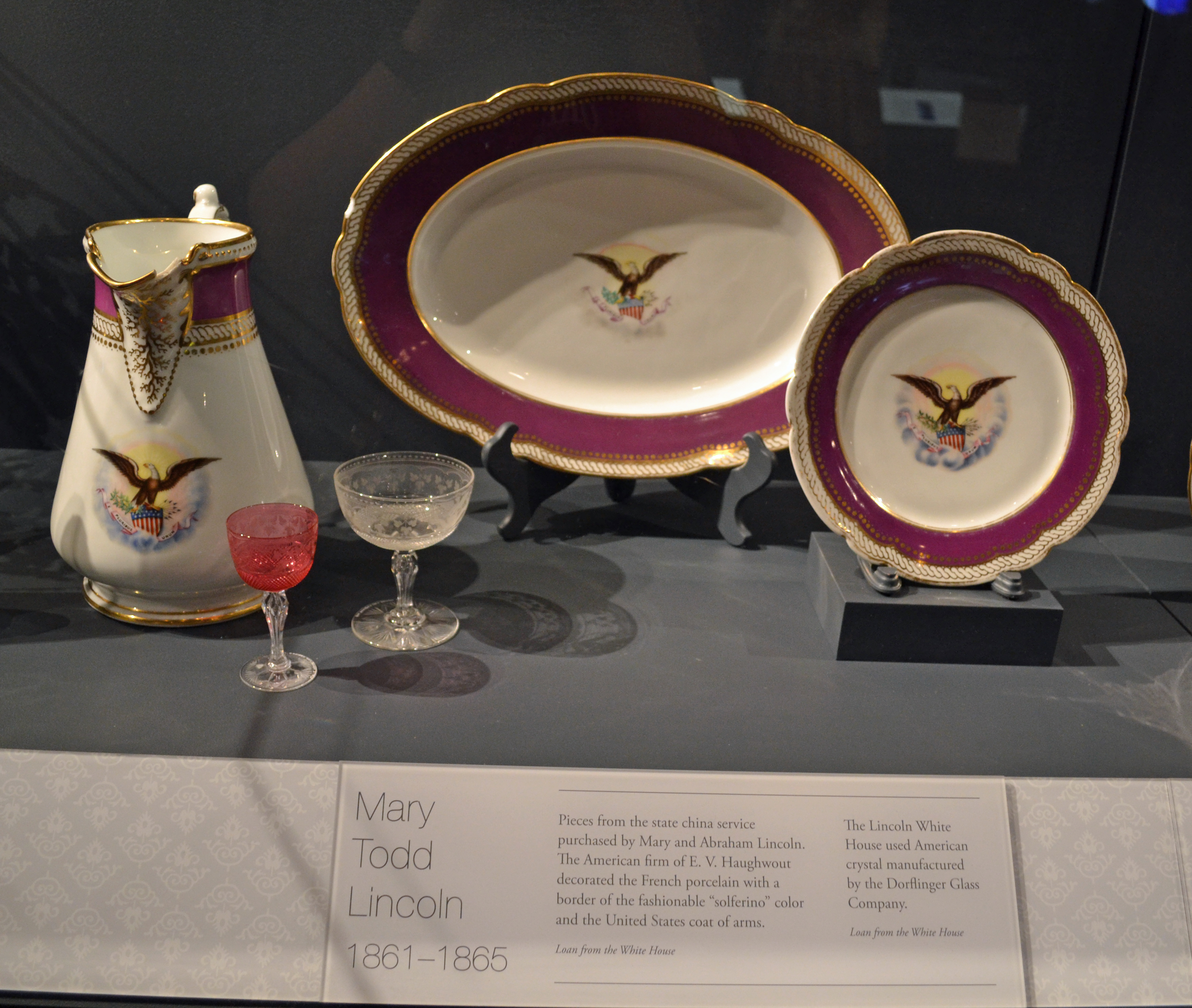
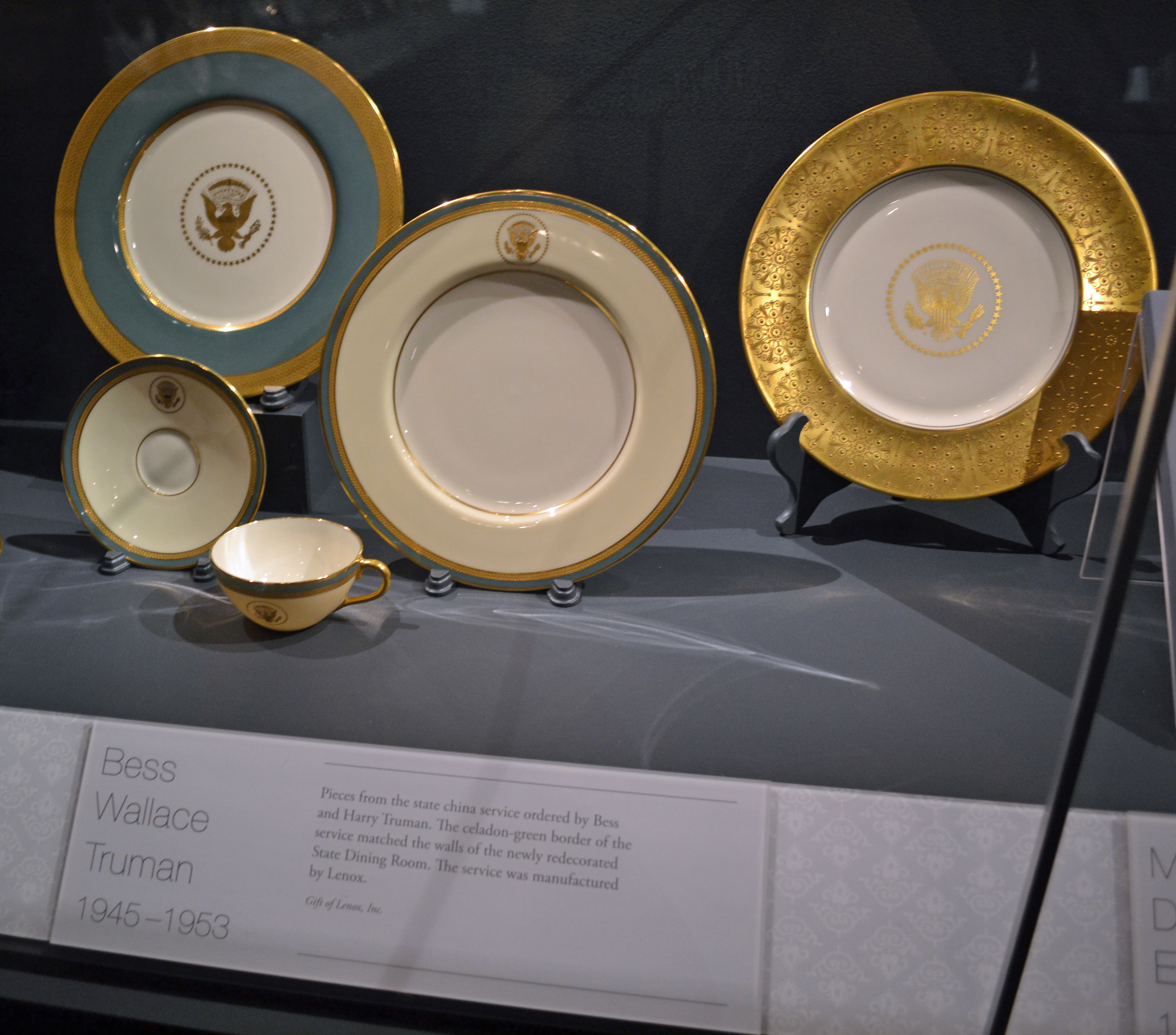
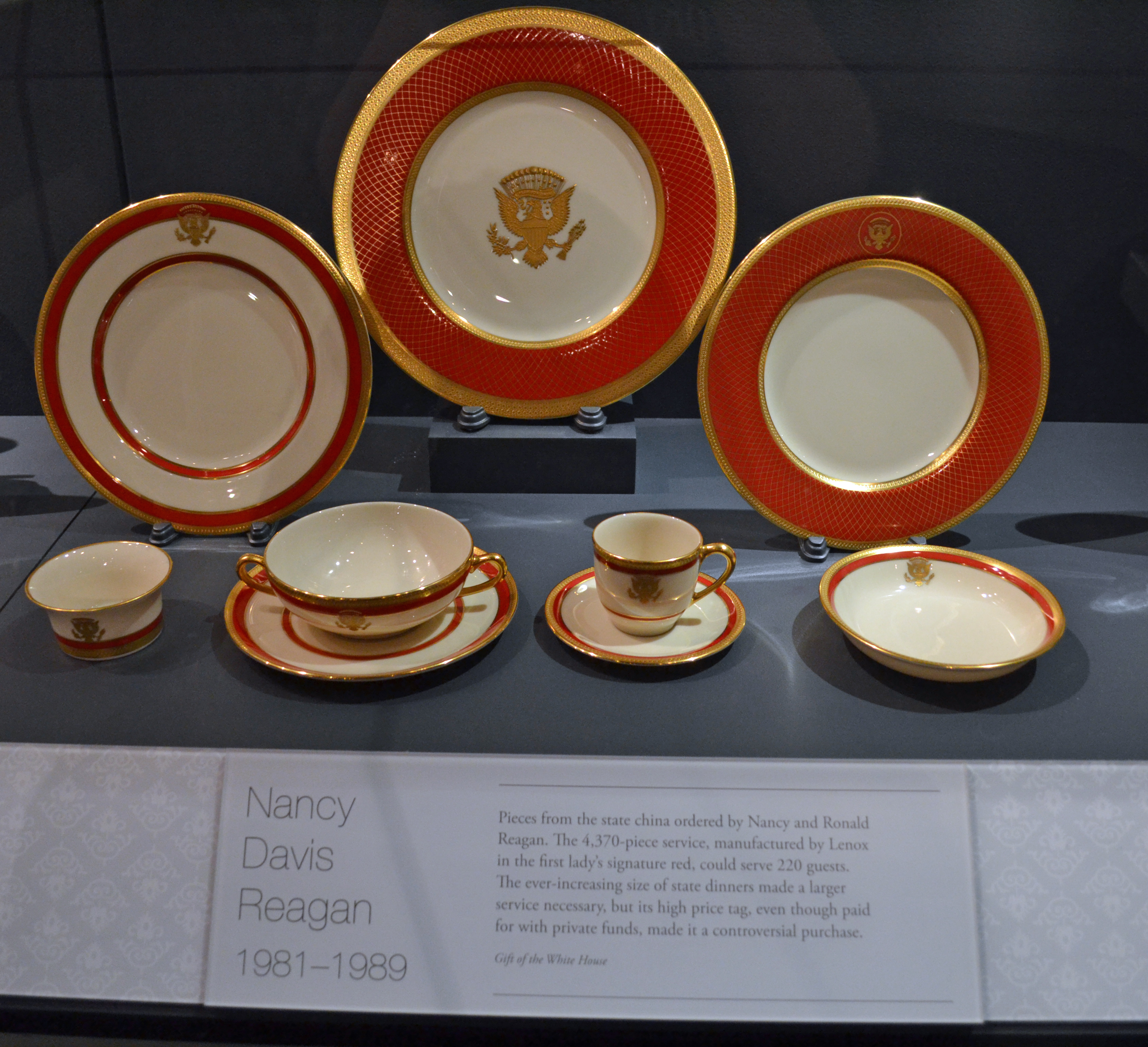
There is an entire section featuring the first ladies. It was thrilling to see their dresses and pieces of their China patterns. Here are a few I liked. Above is Mary Todd Lincoln’s. I like purple, but I don’t like this pattern. There was also a small display of her China at the White House.

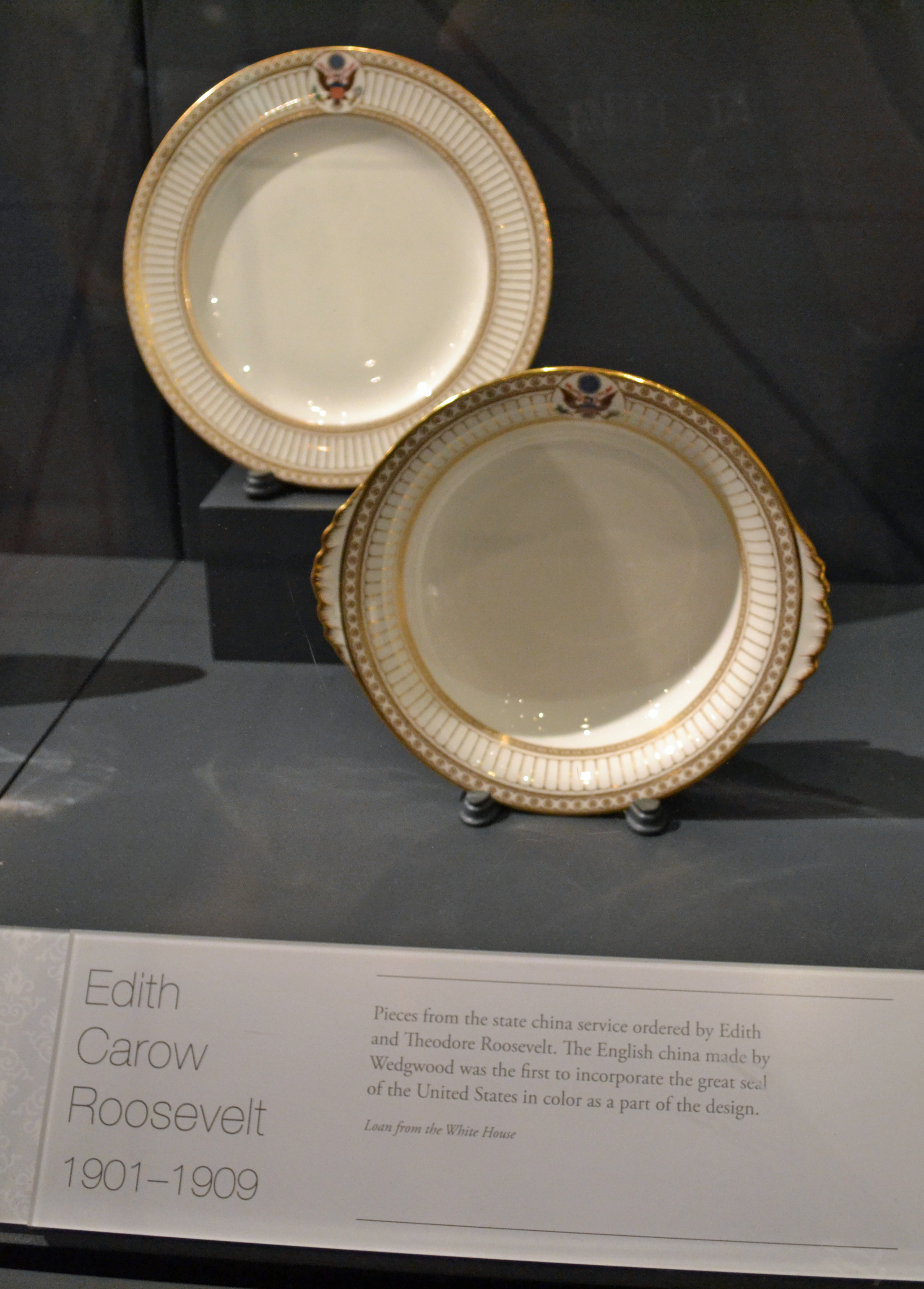
Teddy Roosevelt’s wife’s pattern.

Truman China (Truman is one of my favorite Presidents!).

Nancy Regan’s pattern.

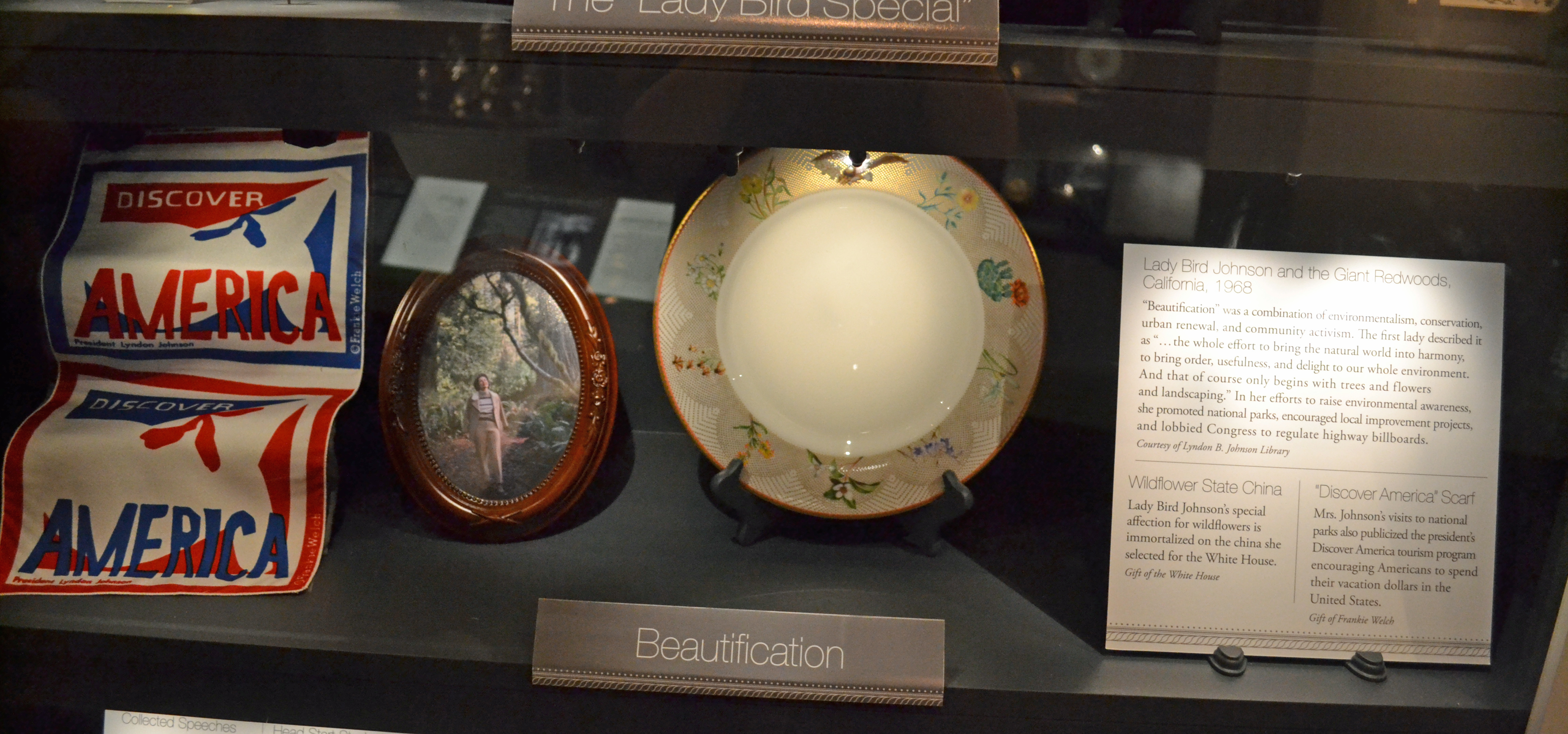
There was a display on Lady Bird Johnson which had a sample of her China pattern. Her pattern has wildflowers, which fit with her passion for beautifying America. I thought she had one of the prettiest patterns of all of the ones on display.

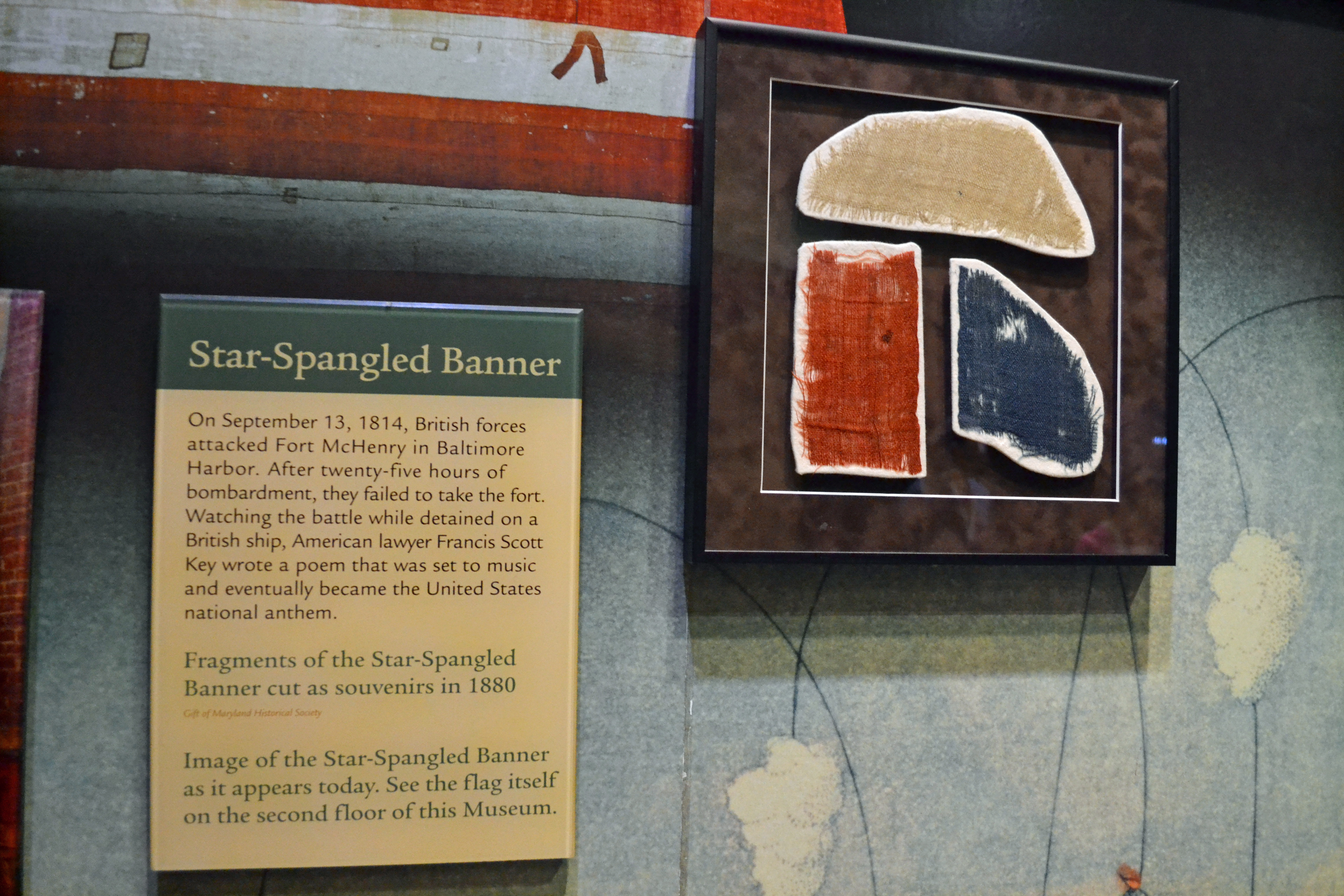
Here are some samples of the original Star-Spangled Banner.

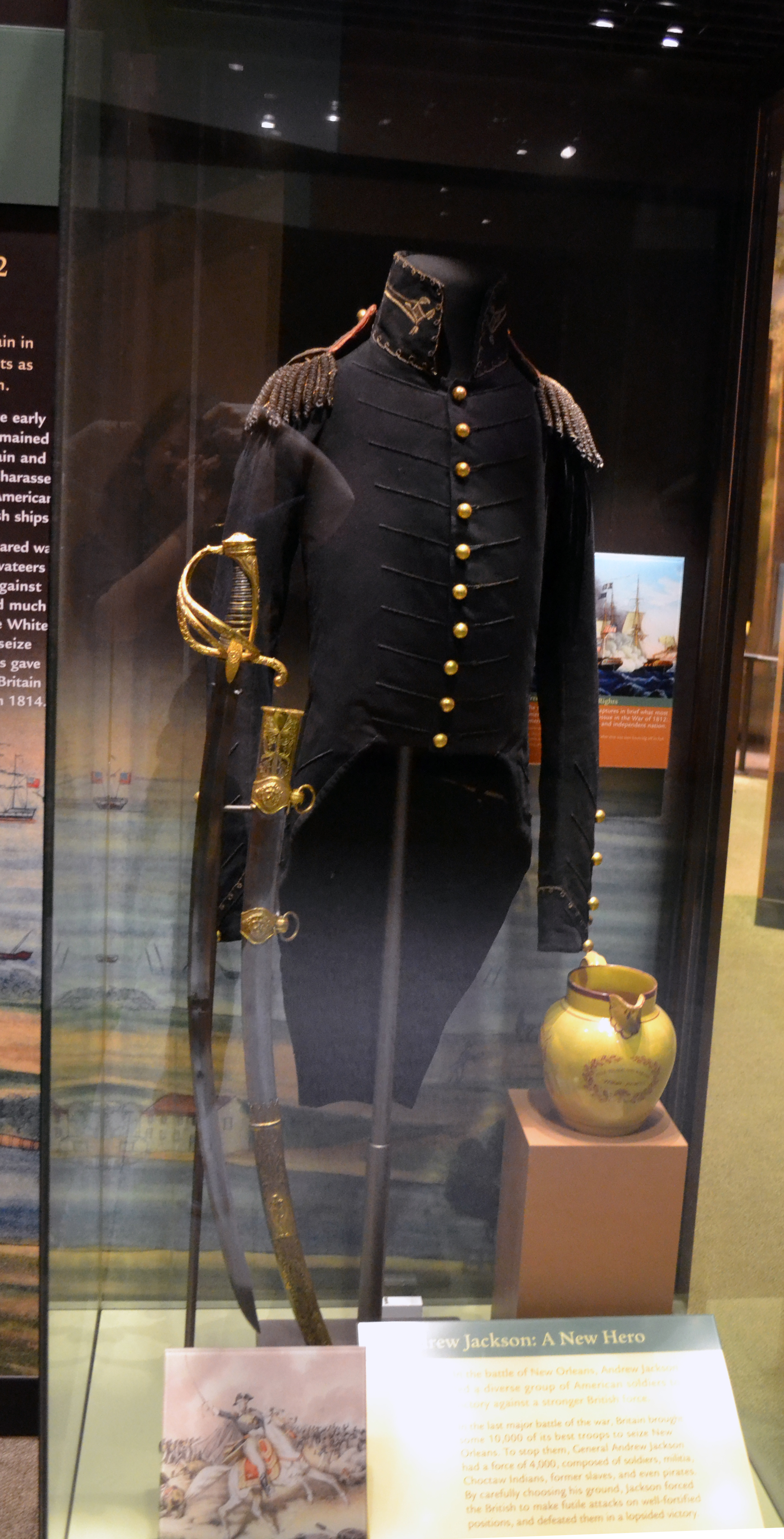
Andrew Jackson’s uniform from the War of 1812. He was the hero of the Battle of New Orleans.

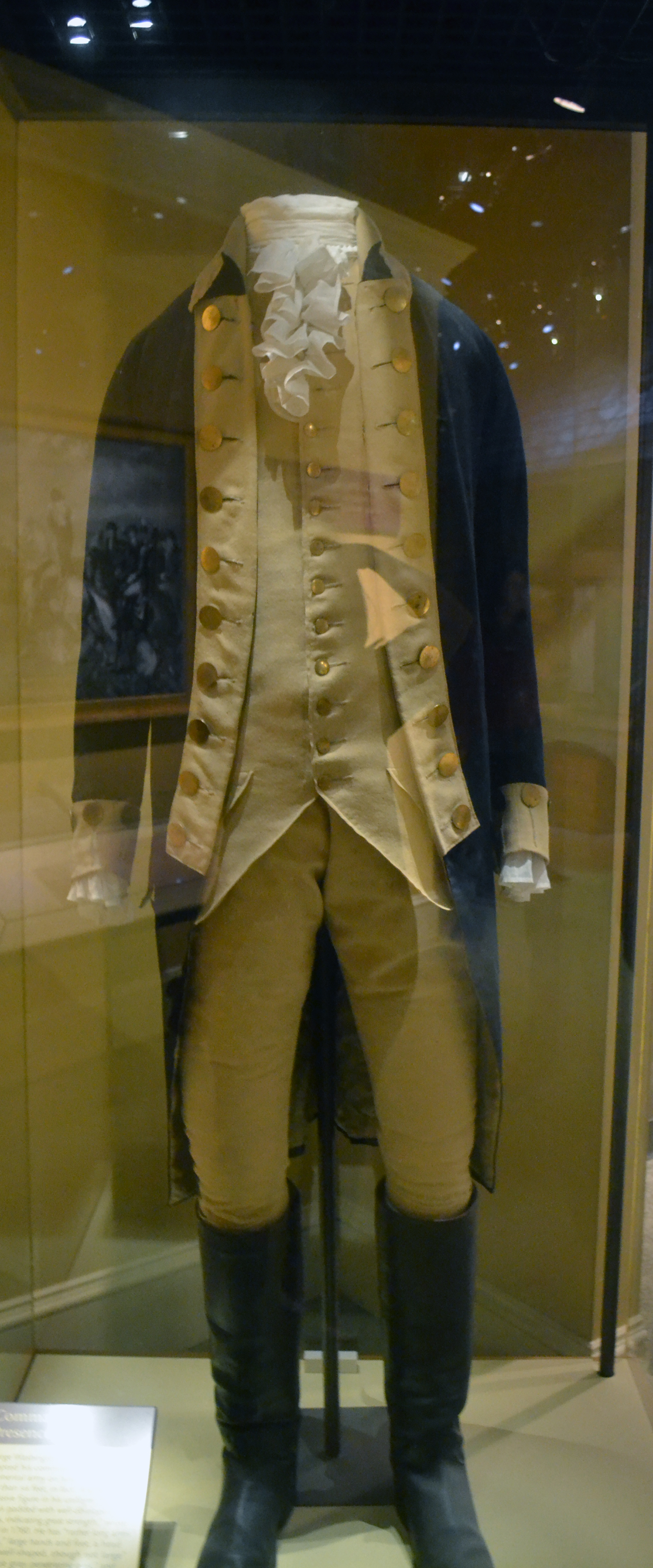
George Washington’s uniform from the time of the Revolutionary War. We visited his home, Mt. Vernon, on a previous trip to Virginia.

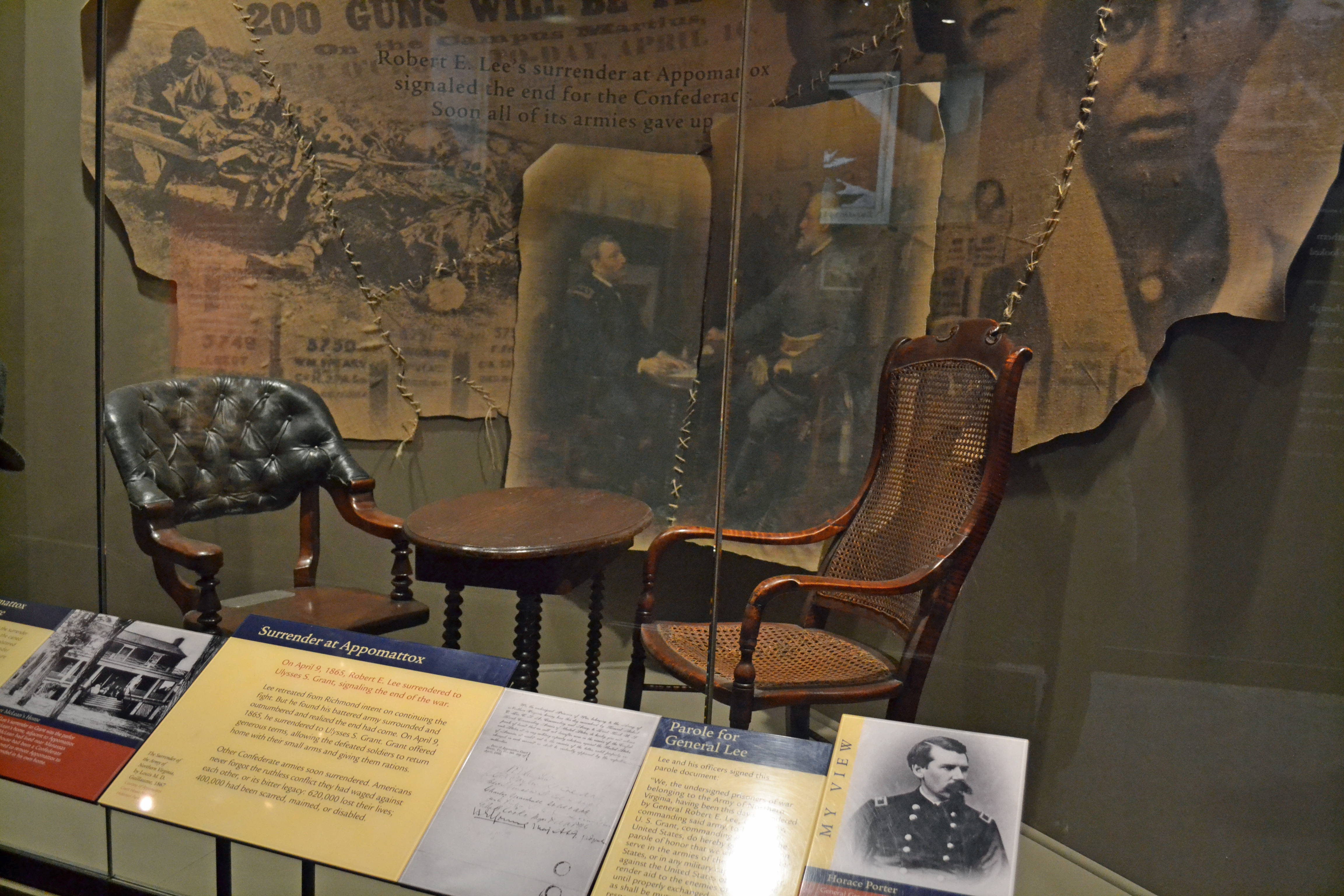
The actual furnishings from the surrender of Lee to Grant at Appomattox Courthouse, Virginia. Grant sat in the leather chair and Lee in the rocker.

They had changed the museum a lot since I was there over twenty years ago. Things seemed more spread out and some displays that I remembered were nowhere to be found now. I guess they rotate things in and out. These photos are just a sampling of what you can see there. The Smithsonian museums are free of charge with no reservations required, and they are only closed on December 25. If you have the chance, stop by and take a look. If nothing else, at least drop by and see the incredible Star-Spangled Banner.

We begin Part VIII today: Words and Terms Describing the Principles of Study and Communication

This week’s term: Kerugmatology – As far as I know, this is a word of my own [Forrest L. Keener’s] origin: Greek Kerugma (preaching) -ology (study). Therefore, the science or study of preaching.

Last week’s term:  Pre-Wrathism – That form of eschatological doctrine which teaches that Christ’s return and the resurrection and rapture shall take place near the last of the tribulation period, just before the great wrath of God is released upon the earth.

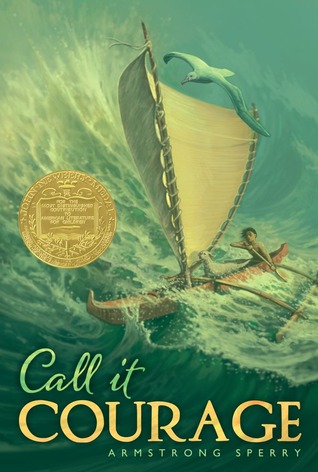
Call it Courage by Armstrong Sperry has been on my “read aloud to the kids” list for a while. (Yes, I keep lists. Lots and lots of lists.) It has several things going for it which make it a good choice to read aloud, or for children to read themselves.

  1. It is a Newbury Medal winner. This is a good indication that it is quality literature. I have read many Newbury titles and have only found a few which didn’t really appeal to me.
  2. It features a young teen boy as the hero, and it makes boys look good. Too many books and TV programs these days make men and boys out to be idiots. This book shows the weakness of the main character, Mufatu, without making him look stupid.
  3. It has a strong moral. It is easy to see the main idea just from the title. The whole book is straightforward – no symbols or imagery – so kids instantly know what is happening. They can identify with Mufatu’s struggle and learn from his story.
  4. It is short. Clocking in at about 117 pages (depending on which edition you read), it won’t take you long to read this one to your kiddos. That’s important for busy families.

I would go into the details of the plot, but I think you can tell quite a bit from the cover. Also, I don’t want to give out any spoilers. Get this one from your library and enjoy it with your children this summer. Or, get a copy and have them read it.

I would also recommend two other books which are along this same line: On My Honor by Marion Dane Bauer and The Cay by Theodore Taylor. If you have a great Jamaican accent, like my mother, you should definitely read The Cay to your children. Both of these are short and exciting books.

Happy reading!