Theology-image

This week’s term: Autosoterism – The religious philosophy of self-salvation as promoted by Pelagius and his followers, both declared and undeclared. 

Last week’s term: Soteriology – Soter (health) -ology (science or study). When used theologically, soteriology deals with the Biblical doctrines of salvation. Under this heading rightly fall all of the issues which both demand and declare God’s saving grace for His people.

Thanks for reading! If this series is a blessing, please share!

sig

It’s hard to believe that we are done with yet another school year. This one has been particularly difficult for me. Last year I had one in Kindergarten, one almost finished with school, and three grades in between. I felt overwhelmed for most of the school year and never really found my “groove”. Matthew needed my help with everything – since he had never officially been in school before – and I had my hands full with lesson plans, teaching/helping, and grading for the others.

My emotions over teaching Kindergarten for the last time, and seeing one finish her Junior year of high school, were at times too much for me to handle. Tears were shed, in private of course. I felt like I did my worst year of teaching ever. I also felt more frustrated and inferior for the task at hand than ever before. Fortunately for me, I have felt this way at nearly every task I’ve faced in my life, including my own school days, so I knew what to do and where to go: to the Lord!

My Heavenly Father sustained my weary mind and soul all these months. He helped me find a rhythm for each day – even if it was a different one every day. He blessed me with a wonderful husband who let me vent, gave me guidance in tough situations, and was always ready to say, “You’re doing fine.”  I cherished the moments of having my children around me, which was one of the main reasons I wanted to homeschool in the first place; I wanted to be with my children as much as possible, to watch them learn, to see them grow.

As I filled out report cards and filed away samples of their progress, I realized that they did learn. They didn’t just learn facts and figures, but they learned about getting along, about giving, about facing a struggle and meeting it head-on. They learned about being flexible when sickness stole a few of our school days. They had great experiences in sports and music. They learned facts, too, but the most important lessons were not in textbooks. As I reviewed the year, I realized that it was okay. It wasn’t perfect, but it was enough.

I have tried to find  our  my weakest areas, and work on solutions. I am fully expecting next year to bring all new challenges, but I hope that I have found detours around the old ones for the new school year.

first-day-group

First day of school, August 17, 2015

last-day

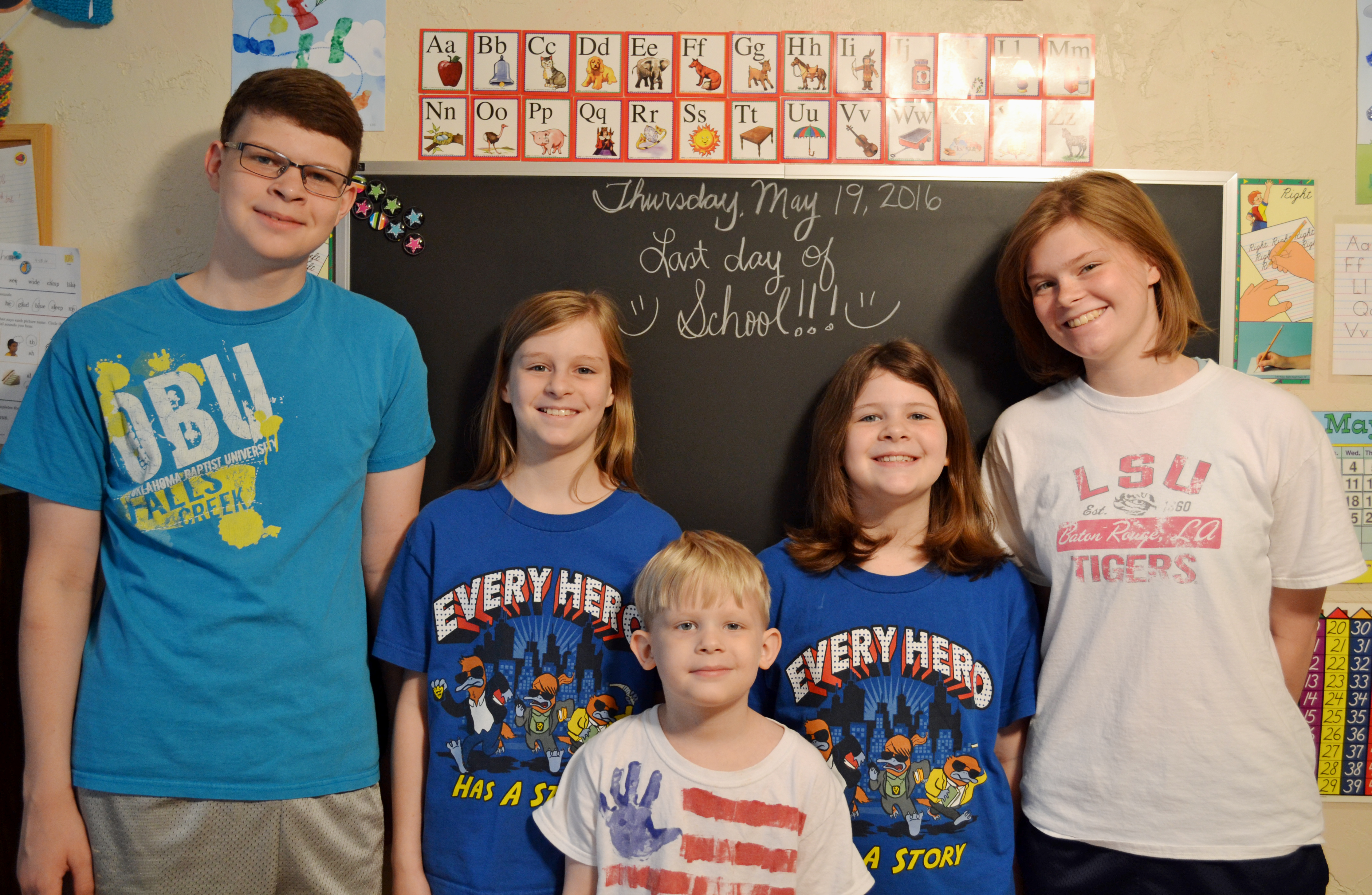
Last day of school, May 19, 2016

vocab-cards

Leslie was proud of the stack of vocabulary word cards she had made throughout the year.

school-room

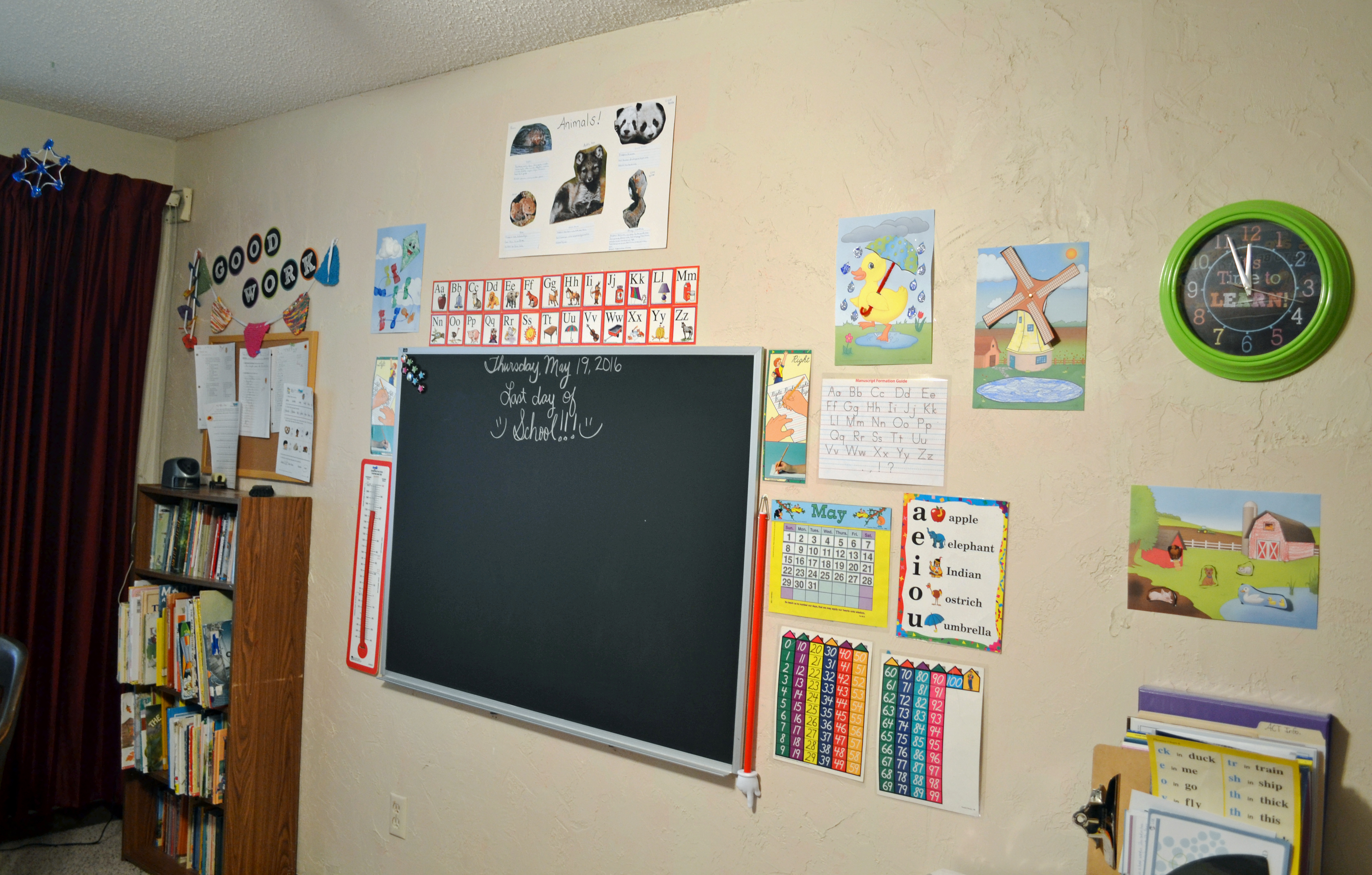
Our walls were bare and boring in the beginning, but they are full and colorful at the end. The kids accomplished a lot this year.

matt-art

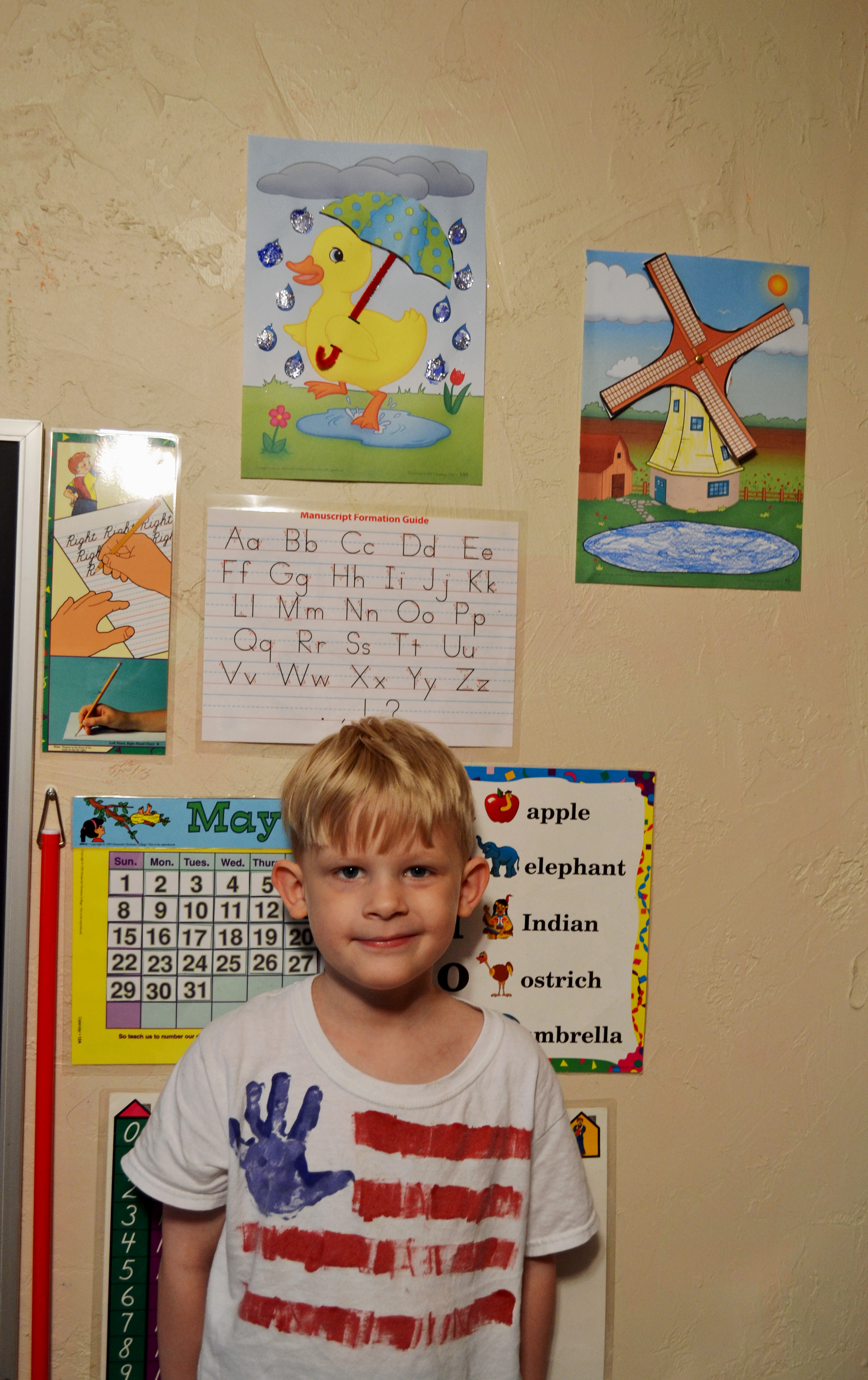
I don’t have a Kindergartener anymore! Here is Matt with some of his crafts.

Matt-art2

A few more of his art pieces. He has a bursting folder of all of his art work.

last-day-fun

I am thankful for the opportunity to homeschool my children. It has not always been easy. I know I could send the kids off to school and find a job and help Terry with the bills to make life a little easier or more comfortable for us. But the years with my children are so few and so short, that I couldn’t bear to miss them. God has blessed my desire by providing for us in miraculous ways. In fact, just to share all of those blessings would require another blog post.

Bless the LORD, O my soul: and all that is within me, bless his holy name. ~ Psalm 103:1

The kids have finished another year of learning…and so have I.

With love,

sig

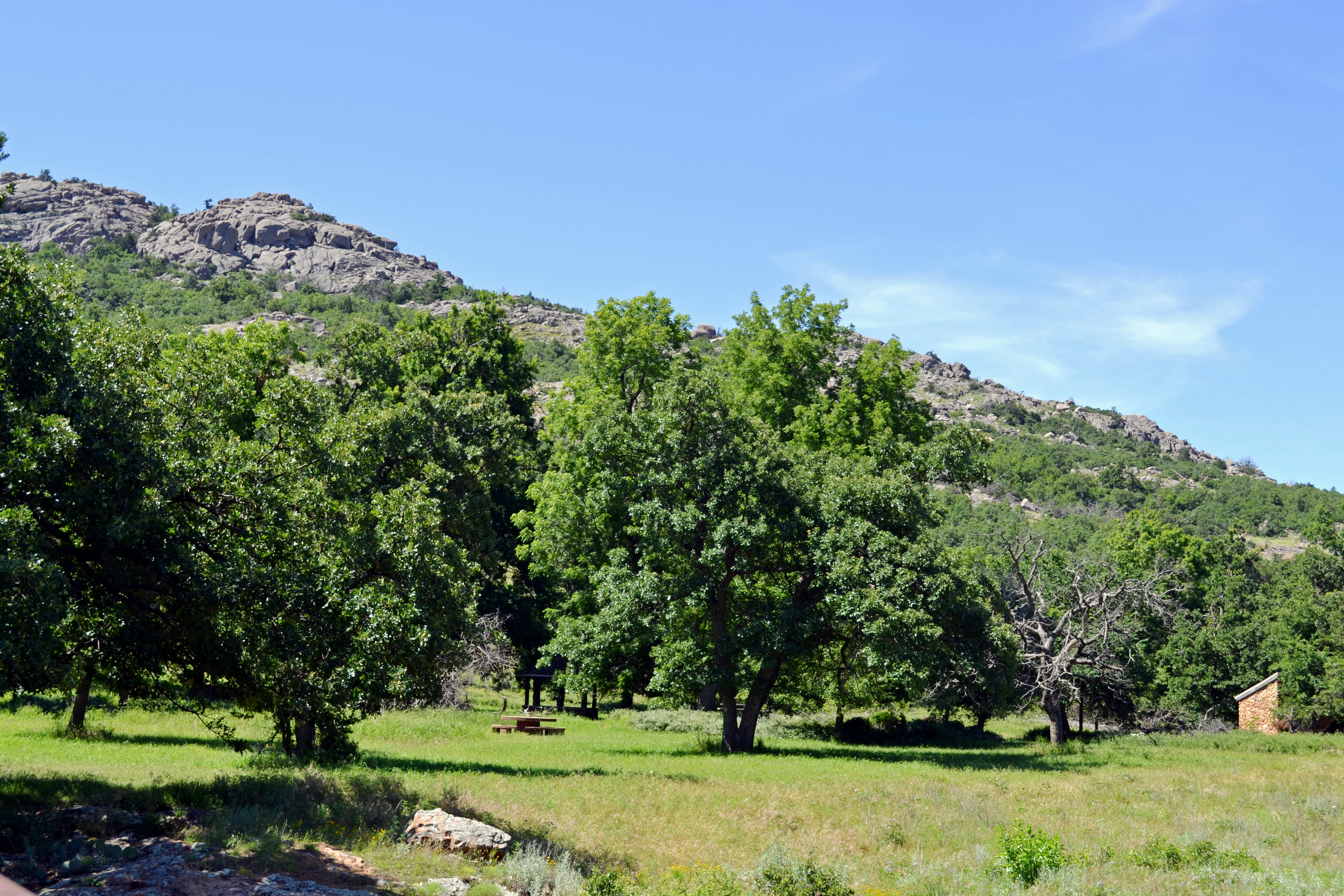
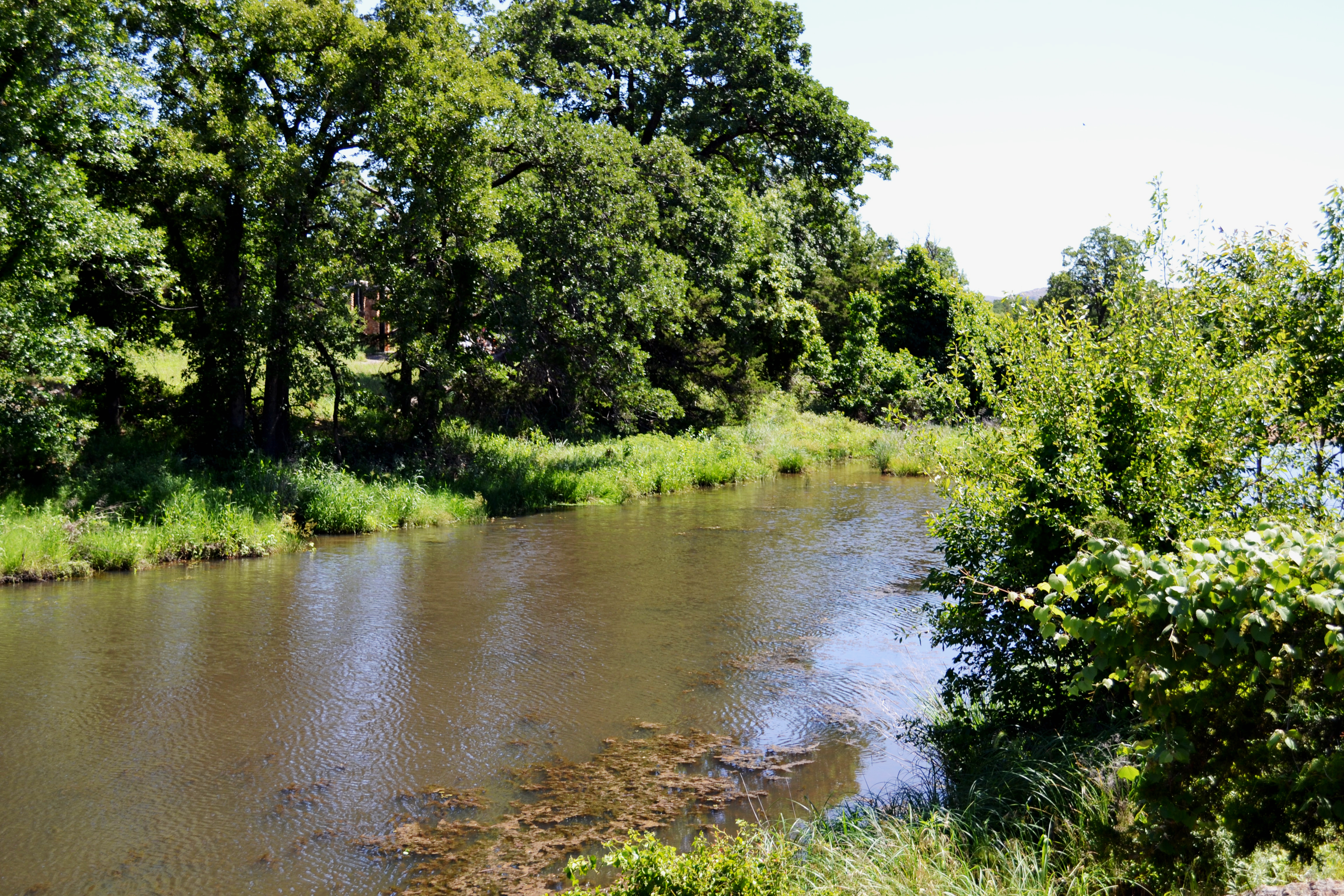
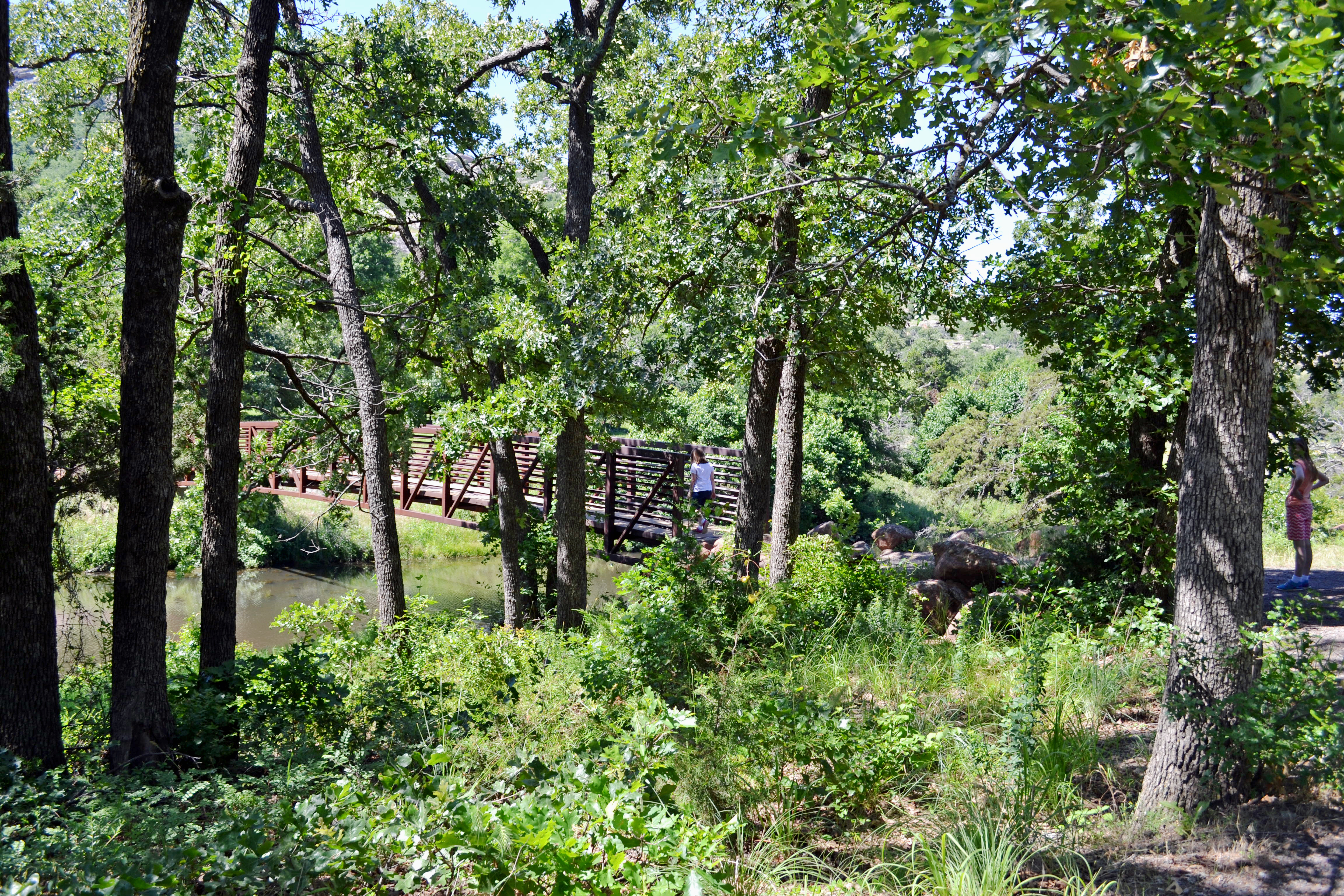
Last December, in the midst of typical Christmas chaos, I had wanted to take family photos at the Wichita Mountains. Due to my getting sick and the crazy schedule we had going, we were unable to do that. It took me all the way until June 6 to accomplish that goal!

The Wichita Mountains, I think, must be Oklahoma’s best kept secret. I have heard a few friends say how hard it must be to live in such a flat place. Our part of Oklahoma is blessed with these rugged mountains, complete with buffalo and Longhorn cattle, cactus, wildflowers, and more. If you’re ever nearby, you should stop see the Wild West in person.

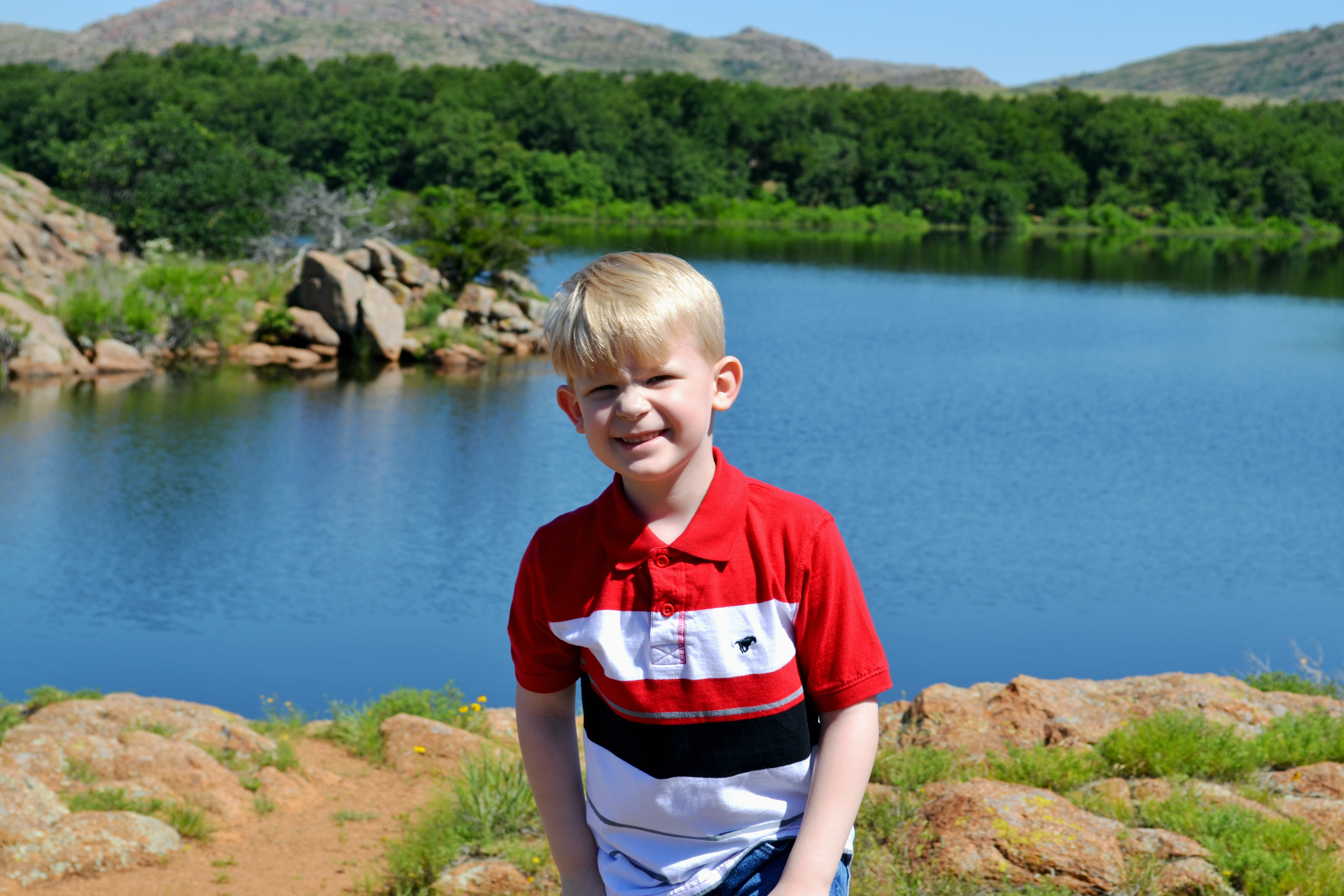
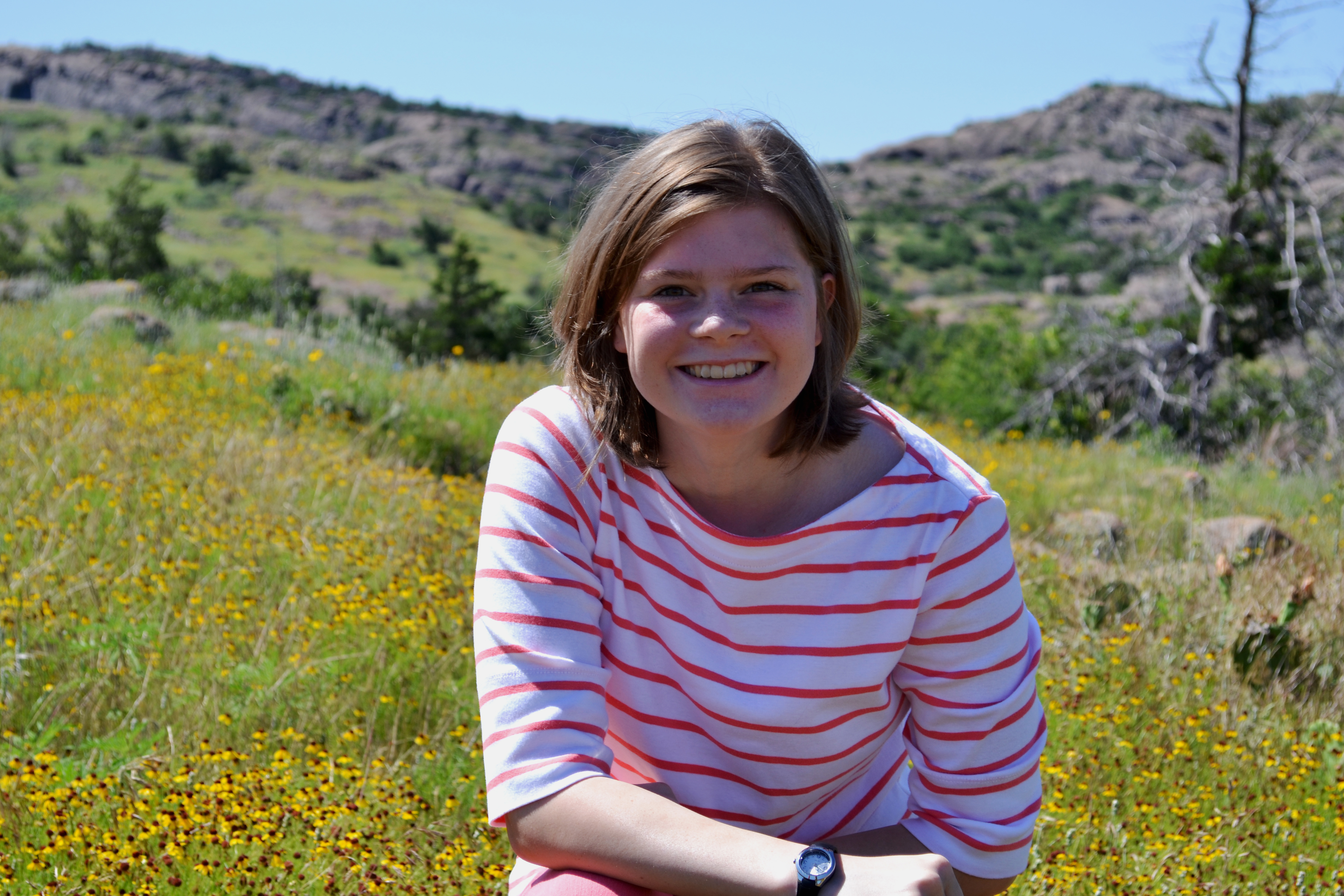
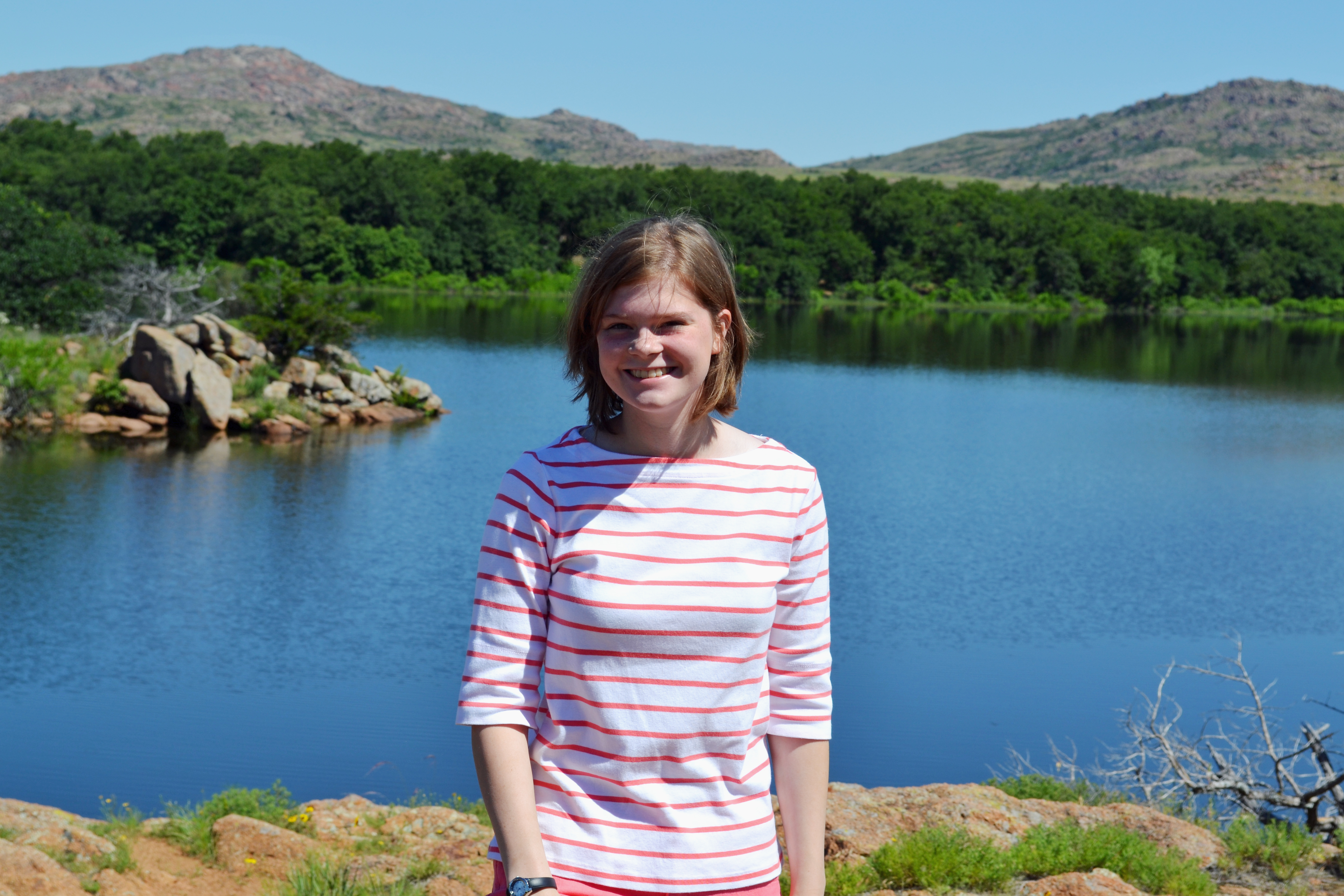
Here are the photos of the kids that I took while we were out. I am not a great photographer, and I haven’t even spent much time practicing these days due to life getting in the way, but I’m pleased with how they turned out.

Mitch-lake

Mitch2

Matt-LakeMatt

Leslie-lake2

Leslie
Lauren3

Lauren-lake

Laci

Laci-Lake

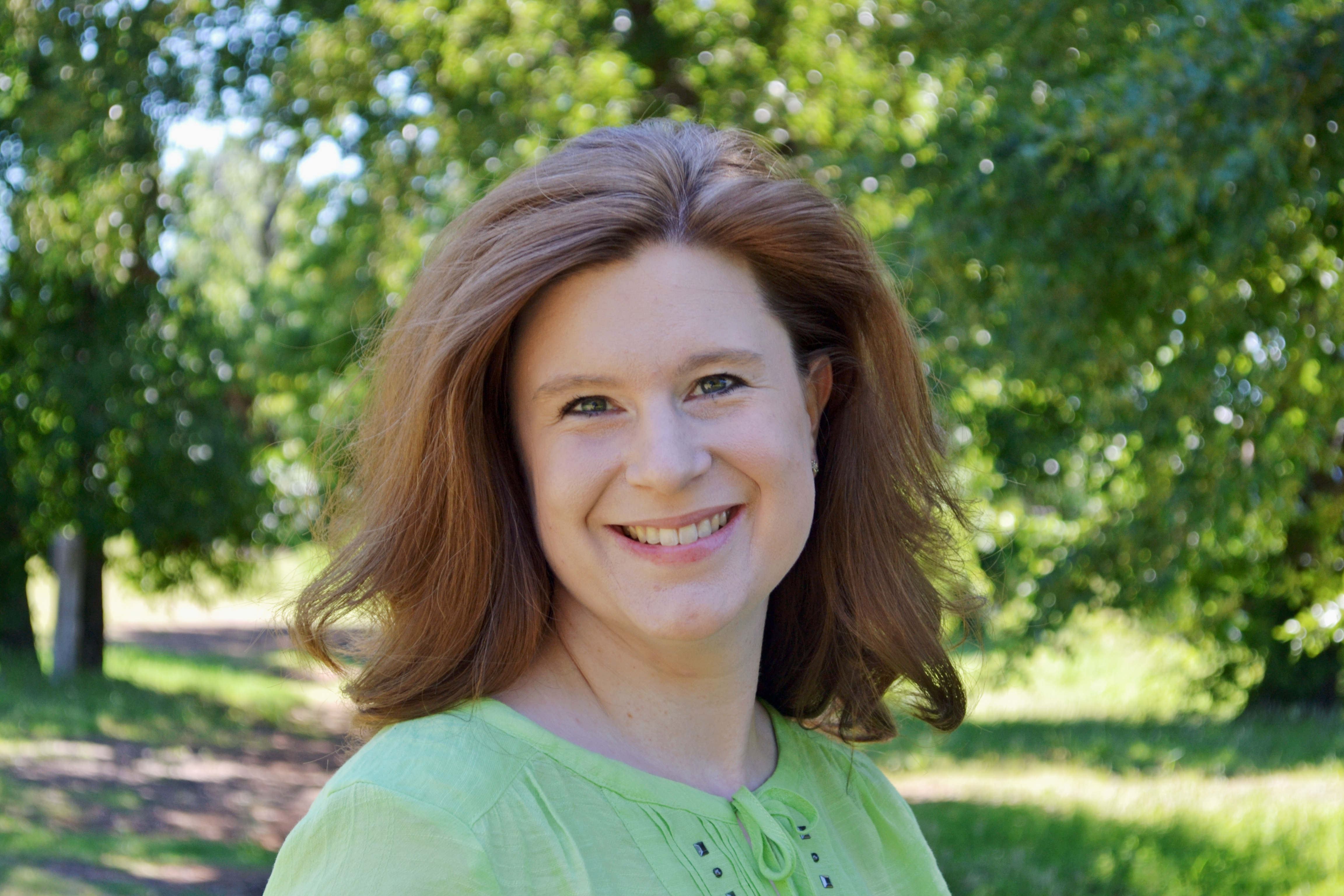
Lauren snapped this one of me while she was holding my camera. It was totally random, but I like it!

Valerie

Here are a few scenic shots, just for fun:

mountain

water

bridge

I hope to return in the near future and take more, maybe even a family photo for the Christmas card. I think I’d better plan ahead this year!

Thanks for reading.

sig

Theology-image

We are beginning a new heading this week! The next twenty-eight terms will be “Words and Terms Describing the Saving Activities of God”. There are some great terms in this section! I hope you’ll join me for this systematic study.

This week’s term: Soteriology – Soter (health) -ology (science or study). When used theologically, soteriology deals with the Biblical doctrines of salvation. Under this heading rightly fall all of the issues which both demand and declare God’s saving grace for His people. 

Last week’s term: Sufferance – The activity, or passivity, of God in allowing wicked deeds to be carried out, with the limitations of eternally purposed restraints.

sig

Theology-image

This week’s term: Sufferance – The activity, or passivity, of God in allowing wicked deeds to be carried out, with the limitations of eternally purposed restraints.

Last week’s term: Forbearance – The patient activity of God, by which He allows violators of His holy law and revealed will to continue until the fulfillment of their iniquity or their conversion.

sig

18263071

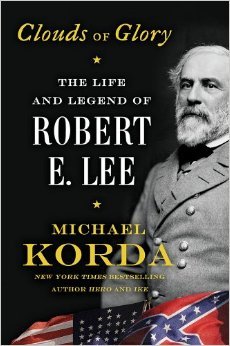
Clouds of Glory: The Life and Legend of Robert E. Lee. Just reading the title gives you a thrill of excitement and anticipation at what lay in the pages of this recent biography written by the distinguished historian, Michael Korda. And these pages do not disappoint.

As a native of the South – Arkansas, to be exact – I must admit that I have never boasted that I was a daughter of the Confederacy. The facts of the Civil War, as I knew them, were shameful indeed. The South fought to keep human beings in bondage all for the purpose of their own financial success and security. Who could be proud of that? In my early years, I bore the weight of responsibility for the actions of my state ancestors, and therefore I was not proud but in fact, I proudly decried their error.

But those feelings, while not eradicated by the reading of this biography, were certainly tempered. Through these pages, Mr. Korda describes a very different leader of the Army of Northern Virginia than I had imagined from that facts as I knew them. To know the battles, politics, and the famous names of the Civil War is to know only half of the story. To know the people through their letters, journals, and close friends is to know the story in total.
Mr. Korda shows that Robert E. Lee was a deeply religious man. His own father, Henry “Lighthorse” Lee was a friend of George Washington, and was present on the day that Cornwallis surrendered his army at Yorktown. However, he was also an unstable man, and in many ways, a highly dishonorable man. Robert E. Lee spent his lifetime trying to be everything his father was not: secure, hard-working, faithful, disciplined and honest. He succeeded.

When the war between the states seemed imminent, Robert E. Lee of all men was most troubled. He hesitated to take up arms against the nation he loved. “Save in defense of my native State, I never desire again to draw my sword,” Lee said. And he meant it. He would never attack the Union, unless the Union attacked his beloved Virginia. Lee had developed a personal interest in Napoleon Bonaparte while serving as the President of West Point. Had he not spent hours reading about Napoleon and his manner of waging battle, the Civil War would never have lasted as long. Lee’s strategy and skill rivaled that of Napoleon and has been studied by military training schools world-wide.

I had always heard that the Civil War was not about slavery, it was about a state’s rights, but I viewed this as an excuse. As I walked through life with Lee, albeit 150 years after the fact, I can see more clearly what that statement means, and in particular, what it meant to Lee. He believed that while slavery was, in fact, abominable, it was God who must end it; and he believed the end of slavery was in sight. In fact, the U.S. ended the importation of slaves in 1808. Many slave-owners treated their slaves with love and kindness, and felt them to be part of the family. Lee himself never bought a slave. He inherited them through his father-in-law’s estate, but immediately went about to educate them (which was a violation of Virginia law) so that they could be released. It is true that he had a low view of what the black man could accomplish, and felt that he should never be allowed to vote or obtain citizenship, but this view was not uncommon in the era in both North and South. He felt that slaves should be sent back to Africa once slavery was abolished. A view that, Mr. Korda points out that no one in the country, not even the “benevolent” North viewed the black man as equal to the white man. My own reading of Lincoln reveals that the President himself wanted blacks to be sent back to Africa also. It did not take long for me to see that the lines between right and wrong were rather blurry in the 1860’s. Do we free the slaves? And if we do, what will become of them with no education, property, or rights? Do we send them back to Africa? How? Do we continue to let slaves exist in the South and slowly integrate them into free society over time? These are the important issues at stake. Lee felt that each state should have the freedom to choose its own course. This is what angered the South; this is what forced Lee to take up his sword against his own army: the state’s freedom to choose. Lee was not necessarily hopeful that the Confederate States of America would exist permanently. He hoped that the war would prove the South’s strength, forcing Lincoln to come to the bargaining table, permitting the state to keep its rights within certain boundaries. Unfortunately, it did not happen.

Mr. Korda takes you on a journey, back in time, back to Virginia. You can feel the heat of the sun in summer and the dampness in autumn. You can feel the jostling of Traveller as he gallops, you can smell the gunpowder in the air, see the clouds of smoke, and sense the fear at the array of soldiers in blue with the Stars and Stripes whipping in the wind at Gettysburg. You will see the bond between Lee and Stonewall Jackson, a soul-mate-in-arms, and the stinging pain of losing him after the battle of Chancellorsville. When you visit the battle of Gettysburg, you can follow the battle with maps, and see how a southern victory would have been won had Jackson not died. You will also walk with the Lee through his own tragedies in the war: the capture of his wounded son as a Union prisoner; the itinerant life of his ailing wife and daughters as thy allude their captors; the loss of his wife’s beloved Arlington; the death of his daughter, daughter-in-law, and grandchildren; the humiliation, and the powerful dignity, of his surrender to Grant; and the return to Richmond after his defeat. You will see it all, as much as Lee will permit us. You will see that sometimes the great men lose. But as Lee demonstrates to us so vividly across the centuries, even in loss we can live nobly, trust God, and work for Him until our final breath.


sig


Theology-image

This week’s term: Forbearance – The patient activity of God, by which He allows violators of His holy law and revealed will to continue until the fulfillment of their iniquity or their conversion.

Last week’s term:  Providence – God’s governing and guiding power over all things in the universe, in providing, guiding, and restraining all forces within His creation, so as to effect His eternal decree.

sig


Image license

theological-term-of-the-week


This week’s term: Providence – God’s governing and guiding power over all things in the universe, in providing, guiding, and restraining all forces within His creation, so as to effect His eternal decree.

Last week’s term: Foreordination – The activity of God in setting in order the motives, forces, and restraints necessary to bring to pass all things which He has eternally decreed, whether by restraining sinful men, or by placing before them opportunity to exercise their depravity.

Today my sweet Leslie Anne turns eleven years old! I just wanted to write and share a few thoughts about her. She is stubborn (like her mother), but that also means she is determined. She is becoming more of a young lady now than a little girl, and while that is somewhat bitter, it’s mostly sweet. She has turned into my go-to girl for questions on fashion because she loves putting outfits together. She is also my Flip or Flop watching buddy (or any HGTV show) and we enjoy discussing whether we love or hate their ideas.

Leslie with her cousins last Sunday.

Leslie and Laci with their cousins last Sunday.

She loves to play the piano and is quite good at it. She is also becoming a very good singer. It’s a special blessing that I get to homeschool my children. In so doing, I get to watch them develop their talents. It’s as though I am watching a rosebud blossom, opening up more and more to reveal its beauty. I am doing all I can to cultivate it, nurture it, and enjoy its lovely fragrance.

Leslie, the model.

Leslie, posing like a model. 🙂

Leslie has a cute way with words. She recently heard me and Terry discussing the GOP nomination right before she had to write a paper about her own prayer requests. Her paper said, “I am praying that this war of authority will end soon.” (referring to the election) We all got a good laugh at that, but then, she always makes us smile and laugh, just when we need it most.

When she was four, Matthew Ron was born. She has loved him and watched out for him since the day he came into our lives. When he started to walk, and needed help getting up into a chair or on my bed, she would get down on her hands and knees and become a human step for him. That’s my Leslie: sweet, strong, caring, and sacrificial.

I love you, Leslie. It is an honor to be your mother.

With love,

sig

theological-term-of-the-week

This week’s term: Foreordination – The activity of God in setting in order the motives, forces, and restraints necessary to bring to pass all things which He has eternally decreed, whether by restraining sinful men, or by placing before them opportunity to exercise their depravity. 

Last week’s term: Logical and Chronological Order – Chronological means the order of events as they occur in time. Logical means the order of events as they relate to each other in cause and effect. While the teachers of the above orders of decree (see last week’s term, below) claim only to address logical order, there remains the likelihood that they regress to chronology. If this be true, whereas God is omnipresent, and His decree is singular, and there can therefore be no chronology of decree with God, the issues of Supra-, Sub-, and Inra- lapsarianism become supra-scriptural, and thus moot points. It should be duly noted that Sublapsarianism and Infralapsarianism vary only in the inversion of points three and four. They are very often considered the same.

Thanks for reading!

sig